
What Goalkeeper Kit Needs That Outfield Kit Does Not
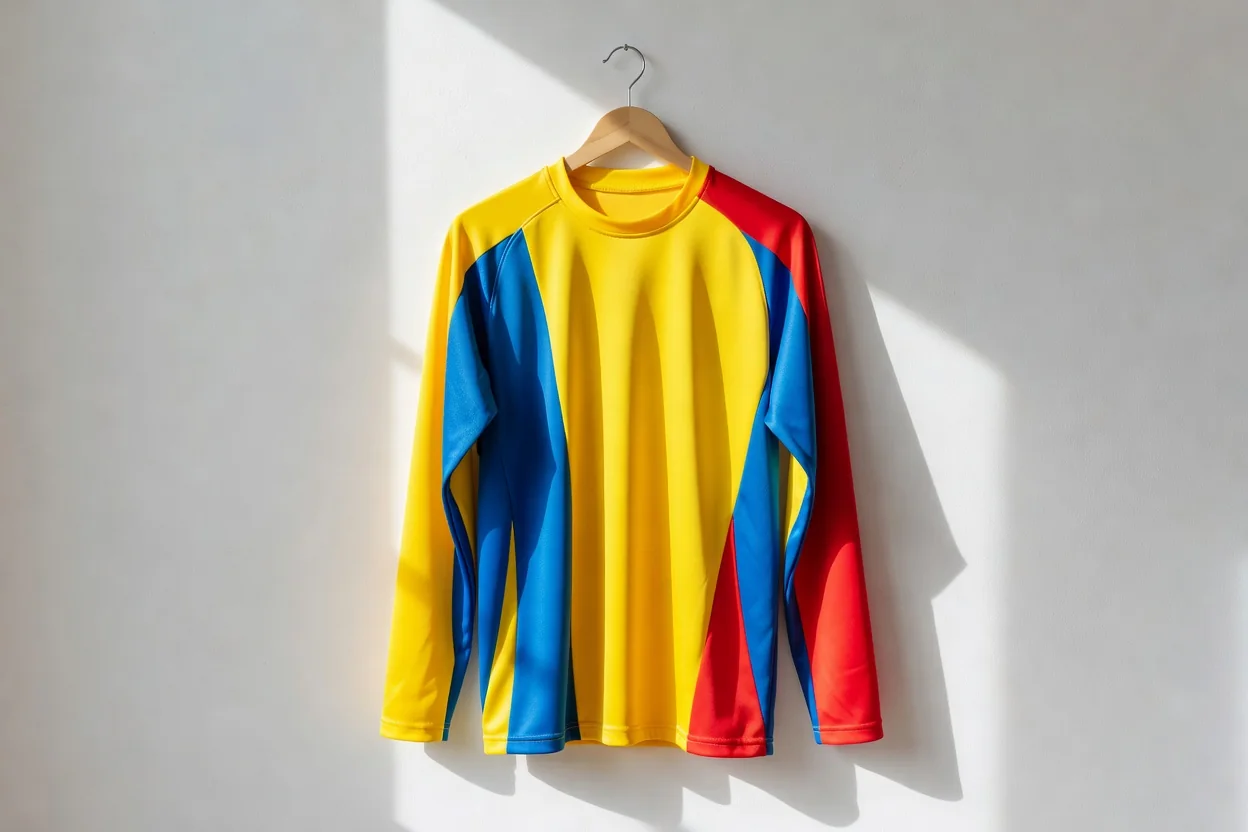
A goalkeeper's shirt looks like a football shirt until you watch a keeper land on a dry August pitch for the fortieth time in a match. Then the differences stop being cosmetic. Keeper kit is engineered around a job description no outfield player has: repeated full-length dives, elbows and hips as landing gear, and ninety minutes of standing still punctuated by two seconds of violence. Buying an outfield shirt for goalkeeping is a false economy measured in bruised hips and shredded elbows.
Padding: where it is and what it does
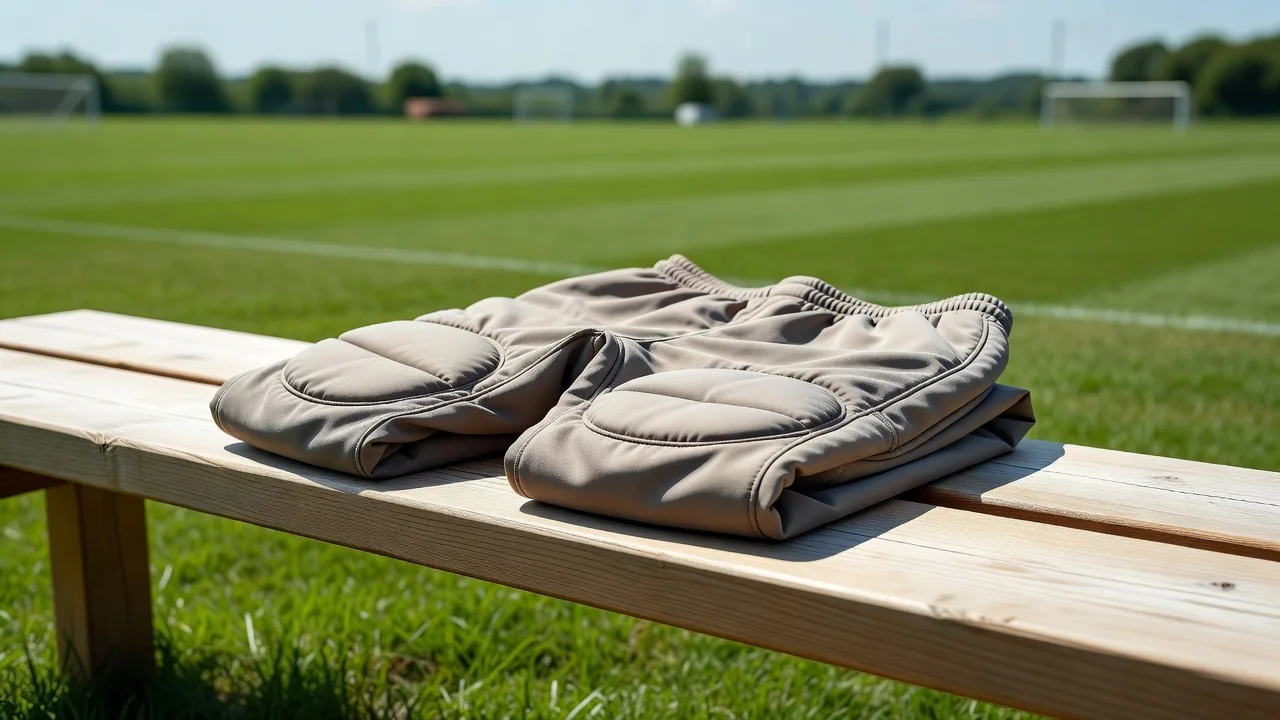
The defining feature of keeper-specific clothing is foam padding at the impact points: elbows and forearms on shirts, hips and outer thighs on trousers or three-quarter pants. The padding is not armour — it will not stop the pain of a knee in the ribs — but it turns the repeated low-level trauma of diving on hard ground from an injury accumulation into a non-event. The foam also matters psychologically: keepers dive more freely when the landing does not hurt, and a hesitant keeper is a beaten keeper. Check that padding is stitched into zones that flex, not one rigid slab; a pad that prevents you bending your arm is worse than no pad.
Abrasion zones and fabric weight
Even without foam, keeper garments use tougher fabric across the sleeves, shoulders and sides — the surfaces that drag across turf and 3G crumb. An outfield shirt is engineered for lightness and airflow; a keeper shirt accepts extra grams in exchange for surviving the slide. The elbows of a standard polyester shirt will go threadbare in weeks on artificial pitches. Equally important is what keeper kit avoids: zips, buttons and hard badges at chest height, because anything rigid between your sternum and a smothered ball is a bruise waiting to happen. Look for heat-applied crests and flat seams down the front.
Sleeves, trousers and the shorts question
Long sleeves are the default for a reason: they protect the forearm and elbow on every dive, and in winter they are simply warmer for a player who may touch the ball four times in half an hour. Short-sleeve keeper shirts exist for summer, usually paired with padded undersleeves. Below the waist, the honest options are padded goalkeeper trousers (full length, maximum protection, hot), three-quarter pants (hip padding, free calves — the modern favourite) and plain shorts (fine on soft grass, masochism on 3G). Match the choice to your surface first and the temperature second.
- Elbow and forearm padding: non-negotiable on hard or artificial ground.
- Hip padding: the highest-value protection in the entire kitbag.
- Flat, heat-applied details on the chest — nothing rigid where you smother.
- Tougher abrasion fabric on sleeves and sides, not all-over lightness.
- Long sleeves by default; three-quarter pants as the versatile bottom half.
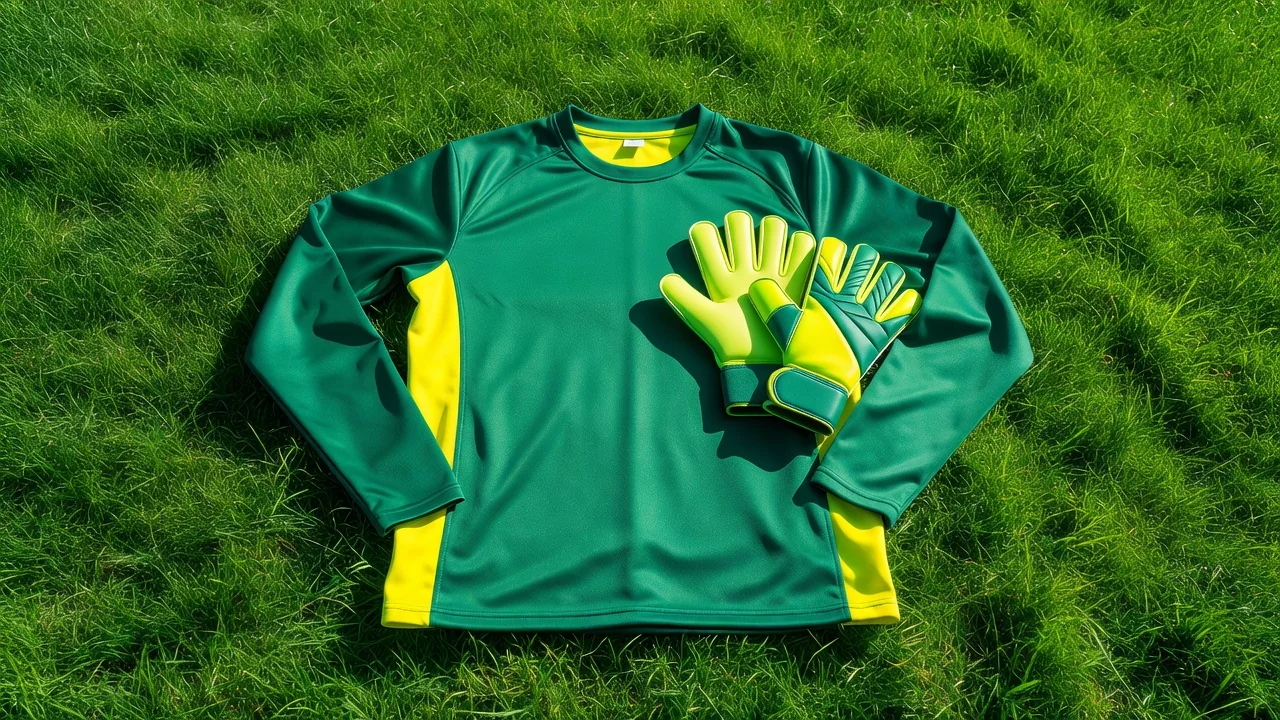
Keeper kit vs outfield kit
| Feature | Goalkeeper kit | Outfield kit | Why it matters |
|---|---|---|---|
| Elbows / forearms | Foam padded | Bare fabric | Diving impact, dozens per match |
| Hips / thighs | Padded zones | None | Landing gear on hard ground |
| Fabric weight | Tougher abrasion panels | Ultra-light | Surviving turf and 3G slides |
| Front details | Flat, heat-applied | Badges, sometimes zips | Nothing rigid when smothering |
| Fit | Roomier for layering | Athletic, close | Base layers underneath in winter |
Buying smart: what to prioritise
If the budget stretches to one item, make it padded three-quarter pants — hips take the worst of it and outfield shorts offer nothing. A keeper shirt with decent elbow foam is second. The trap to avoid is fashion keeper kit: heavily patterned shirts in thin unpadded fabric sold to look distinctive on the rack. Check the rules too — your kit must distinguish you from both teams and the officials, so confirm the colours with your league before buying a full set in one shade. And size for layering: a keeper shirt should fit over a thermal base layer in January without strangling your shoulders.
Related reviews
Goalkeeper Glove Cuts Explained: Flat, Roll, Negative
The cut decides how the palm wraps the ball and how the glove fits your hand. Flat, roll finger, negative and hybrid — what each feels like in play.
2026-08-28
Goalkeeper Glove Latex: Grip, Durability, Weather
Soft latex grips and dies young; hard latex survives and slips in the wet. How to read palm grades and match them to your pitches and budget.
2026-08-21
How to Make Goalkeeper Gloves Last Twice as Long
Pre-wash, damp palms, air dry away from radiators. The care routine that doubles glove life — and the habits that kill latex in a month.
2026-08-10