
How to Spot Fake Football Boots and Shirts
Counterfeit football gear has never been better made or easier to buy. The shirts in particular now fool people at arm's length — the factories copying them sometimes share supply chains with the real ones. But fakes still fail under inspection, and the inspection takes five minutes once you know the eight checks. Learn them once and you will never again fund a fake with your own money.
Price and place: the two checks before the product
The first two checks happen before you examine anything. Price: a current-season shirt at 70% off retail, or "player issue" boots at a third of list price, is not a bargain — retail margins on football gear are thin, and nobody legitimate discounts like that on in-demand stock. Place: check the seller, not just the listing. A marketplace account three months old selling forty current shirts, a standalone site with no company details, stock photos only and a domain registered last spring — these patterns matter more than any product photo. Legitimate outlet deals exist, but they come from outlets you can name, with return addresses you can find.
The product checks: stitching, crests, labels
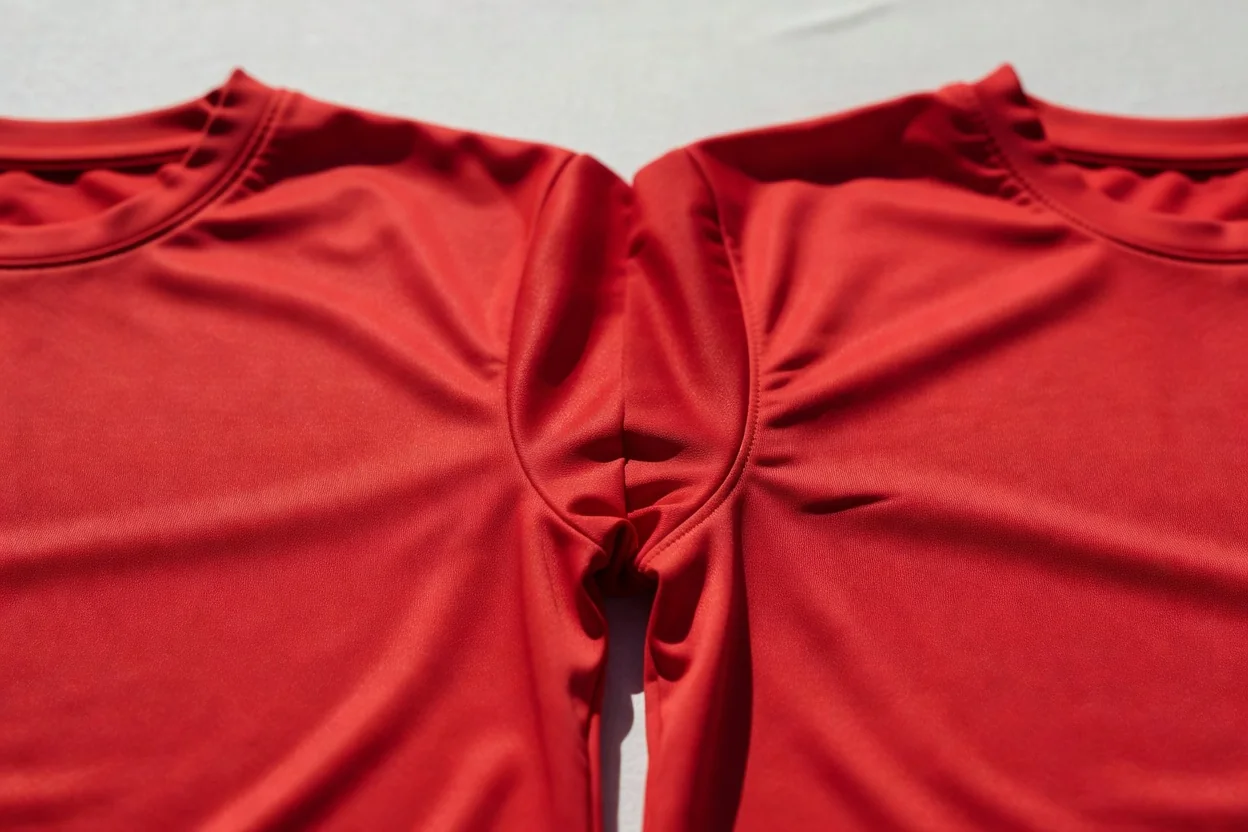
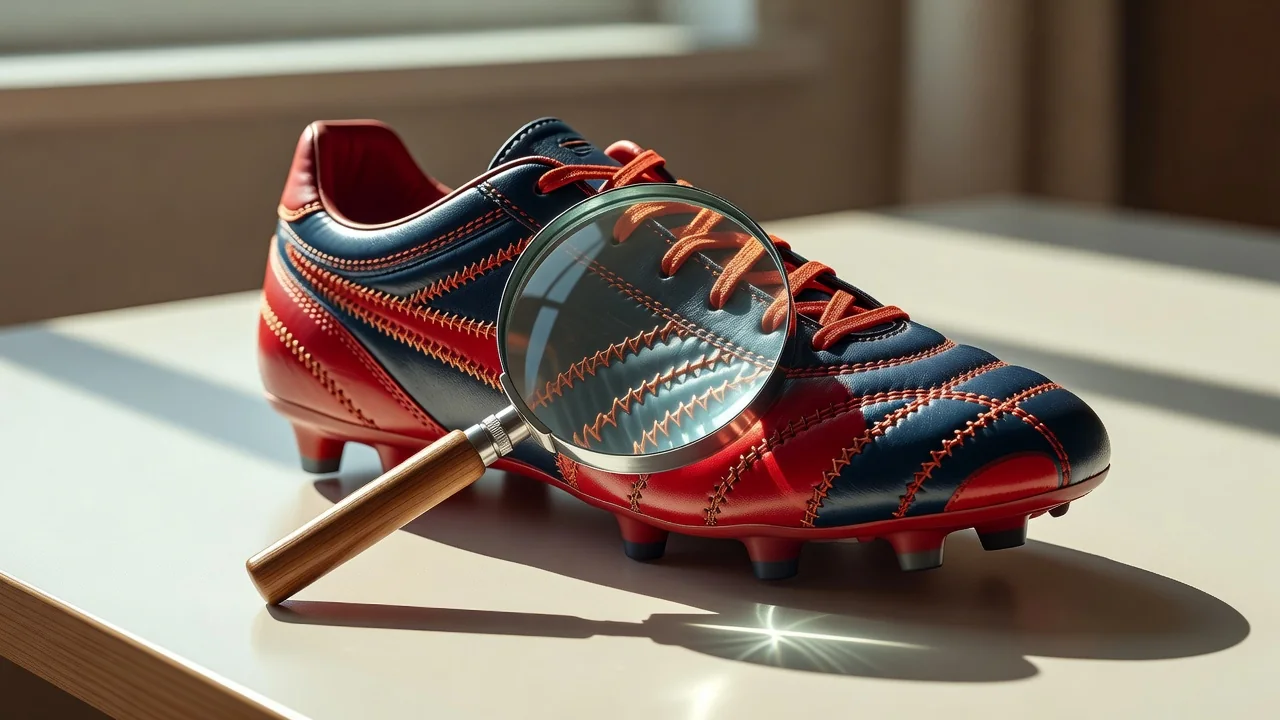
Stitching is the most reliable physical tell. Genuine shirts and boots have tight, even, consistent stitching with no loose threads; fakes show wandering seam lines, uneven stitch length and threads that pull free with a fingernail. Crests and badges come next: heat-applied crests on authentic shirts have crisp edges and sit flush — fakes often show bubbling, misalignment or a plasticky thickness; embroidered crests on fakes have sparse thread counts and fuzzy detail. Then the interior labels, where counterfeiters get lazy: check the wash label for the correct fabric composition, multiple languages and a product code — then search that code online. A code that returns a different product, or no product, ends the discussion. Swing tags matter too: genuine tags are card, correctly printed, attached with a proper fastener, not a plastic tag gun through the fabric.
- Price: 50–70% off current stock is a confession, not a deal.
- Seller: age, history, return address, real photos.
- Stitching: even, tight, no loose threads anywhere.
- Crest: flush and crisp, no bubbling or plastic thickness.
- Wash label: correct composition + searchable product code.
- Swing tags: quality card, proper fastener, matching code.
- Boots: check soleplate glue lines and insole print quality.
- Packaging: genuine boots ship in branded boxes with paper, not bags.
The checks compared: boots vs shirts
| Check | Shirts | Boots |
|---|---|---|
| Strongest tell | Crest quality + wash label code | Glue lines + soleplate finish |
| Stitching | Seams, hem, crest border | Upper-to-sole join, even and clean |
| Labels | Multi-language wash label, product code | Size label inside tongue, matching box label |
| Materials | Fabric weight and feel vs genuine | Upper flex, insole print, stud quality |
| Packaging | Polybag with branded seal | Branded box, tissue, spare laces where included |
If it arrives and it is fake
Bought it already? Document everything before touching the seller: photograph the tells (stitching, labels, codes) and keep the packaging. Marketplaces have counterfeit processes that side with documented buyers; card payments offer chargeback as a backstop. Do not be talked into "partial refund, keep the item" — that is the seller converting a crime into a discount. And accept the lesson cheaply: the checklist above costs five minutes, which is less time than any refund process ever.
Related reviews
Football Boot Sizing: Why Boot Size Isn’t Shoe Size
A boot should fit closer than a trainer, but not hurt. Length, width, lockdown and the thumb-width myth — how to size boots without trying them on.
2026-08-19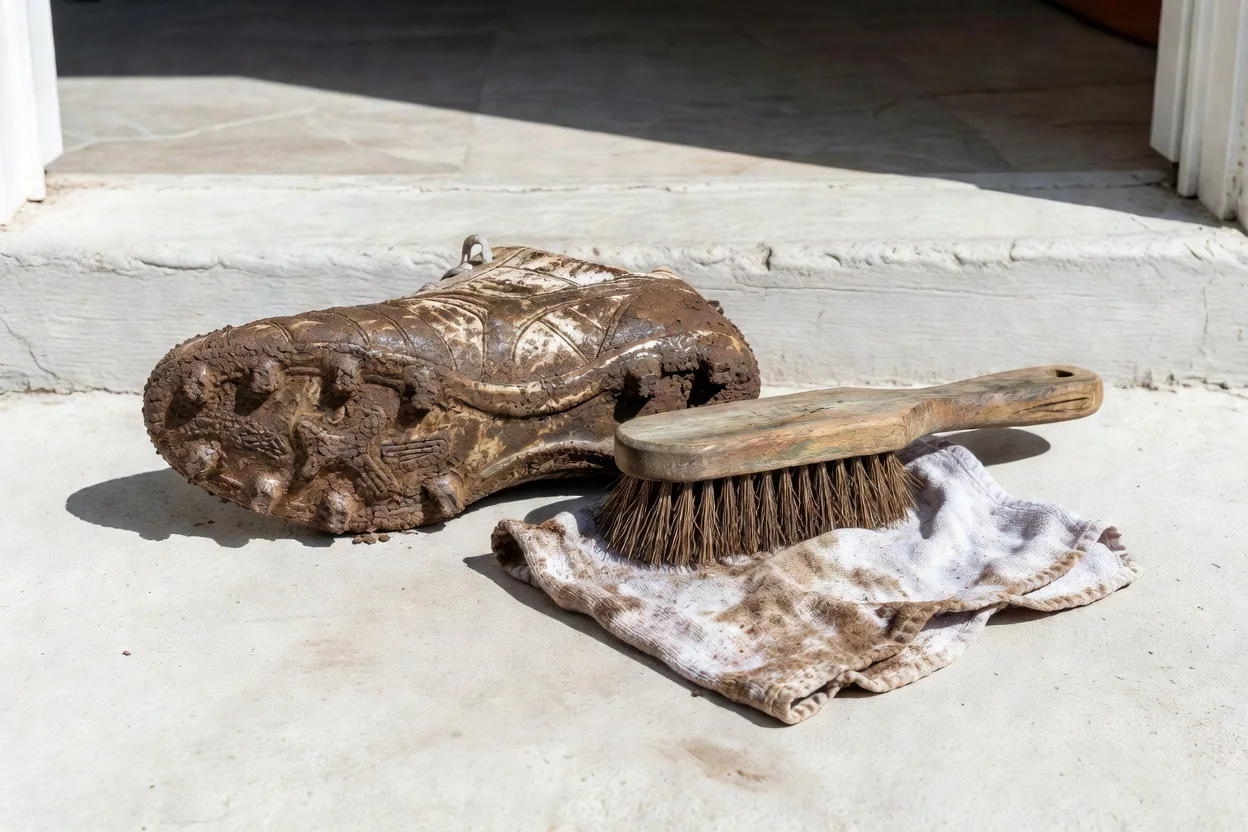
How to Clean Football Boots Without Ruining Them
Knock, brush, wipe, stuff, air dry. The ten-minute routine that keeps leather supple and knits fresh — and why radiators and washing machines kill boots.
2026-08-11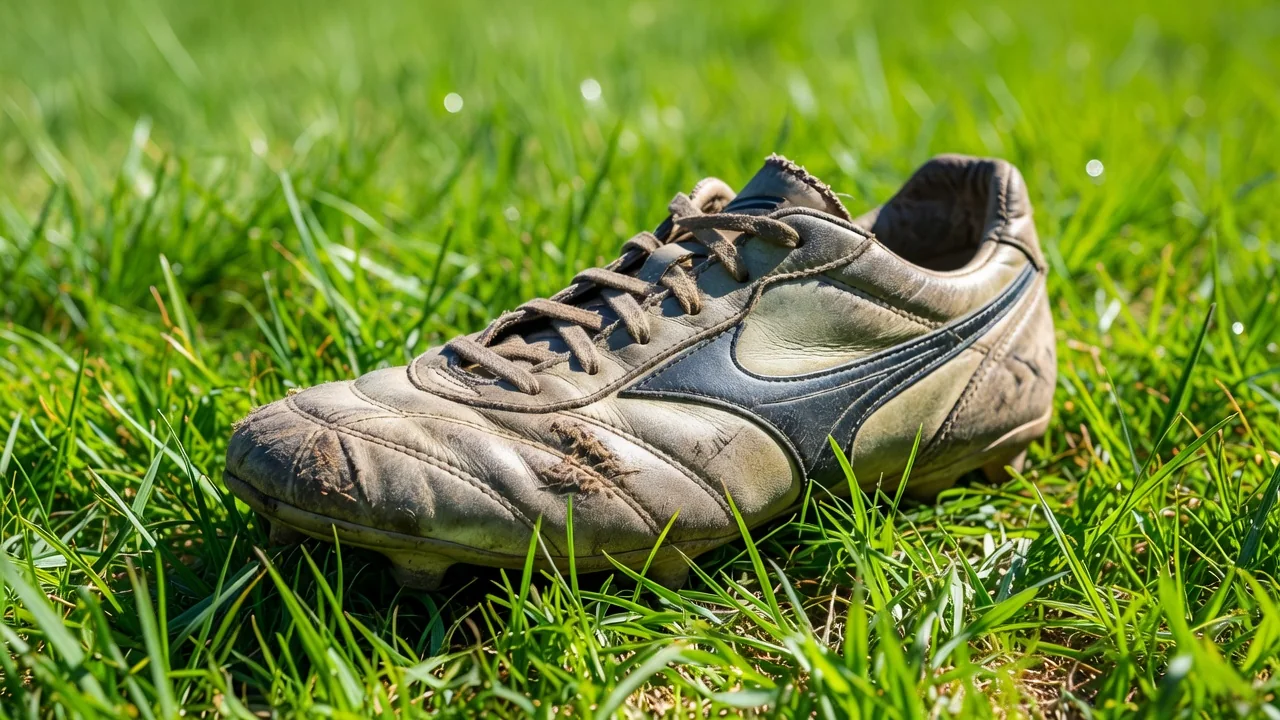
When to Replace Your Football Boots: The Honest Signs
Worn studs, split uppers, dead insoles and heel slip. The wear signs that mean a boot is done — and the ones a cobbler or new laces can still fix.
2026-08-06