
Goalkeeper Glove Cuts Explained: Flat, Roll, Negative
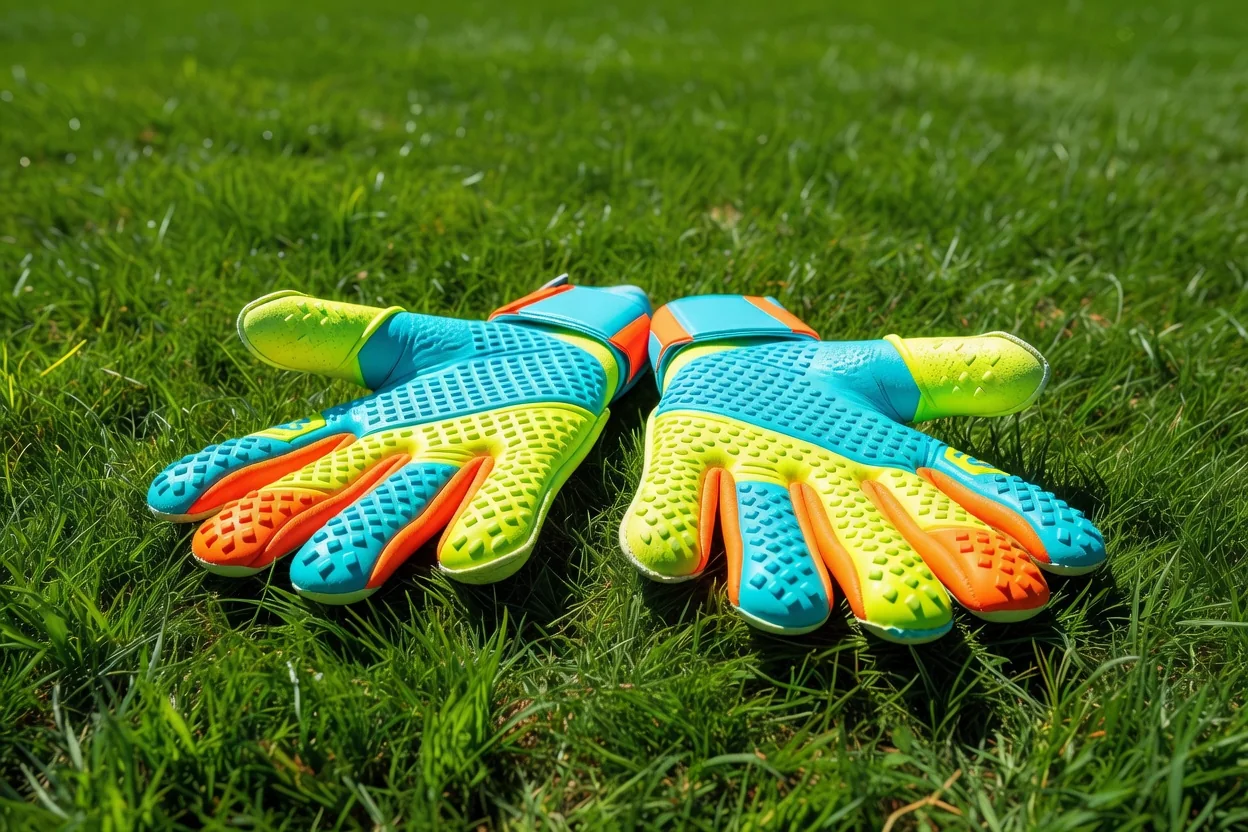
Ask five goalkeepers which glove cut they wear and you will get five answers delivered with religious conviction. The cut — the way the palm and fingers are stitched together — decides how much latex touches the ball, how snugly the glove wraps your hand and how it feels to close a fist around a shot. It matters more than the brand on the wrist strap, and it is the first thing to understand before spending serious money on gloves.
Flat palm: the classic
The flat cut is the oldest construction still sold: a single flat piece of latex for the palm, with the finger gussets (the side walls) sewn to the outside of the glove. The seams sit externally, so the fit is roomy and slightly boxy — there is air between latex and skin, particularly around the fingers. That looseness is exactly why some keepers love it: the glove breathes, accommodates wider hands and feels traditional. The trade-off is contact. Because the palm does not hug the hand, the latex can wrinkle when you close your fist, and a wrinkle is a tiny ramp the ball can deflect off. Flat cuts suit keepers with broad hands, those who dislike a tight fit, and anyone buying a first pair on a budget — most entry-level gloves are flat cut because the construction is simple and forgiving to manufacture.
Roll finger: latex everywhere
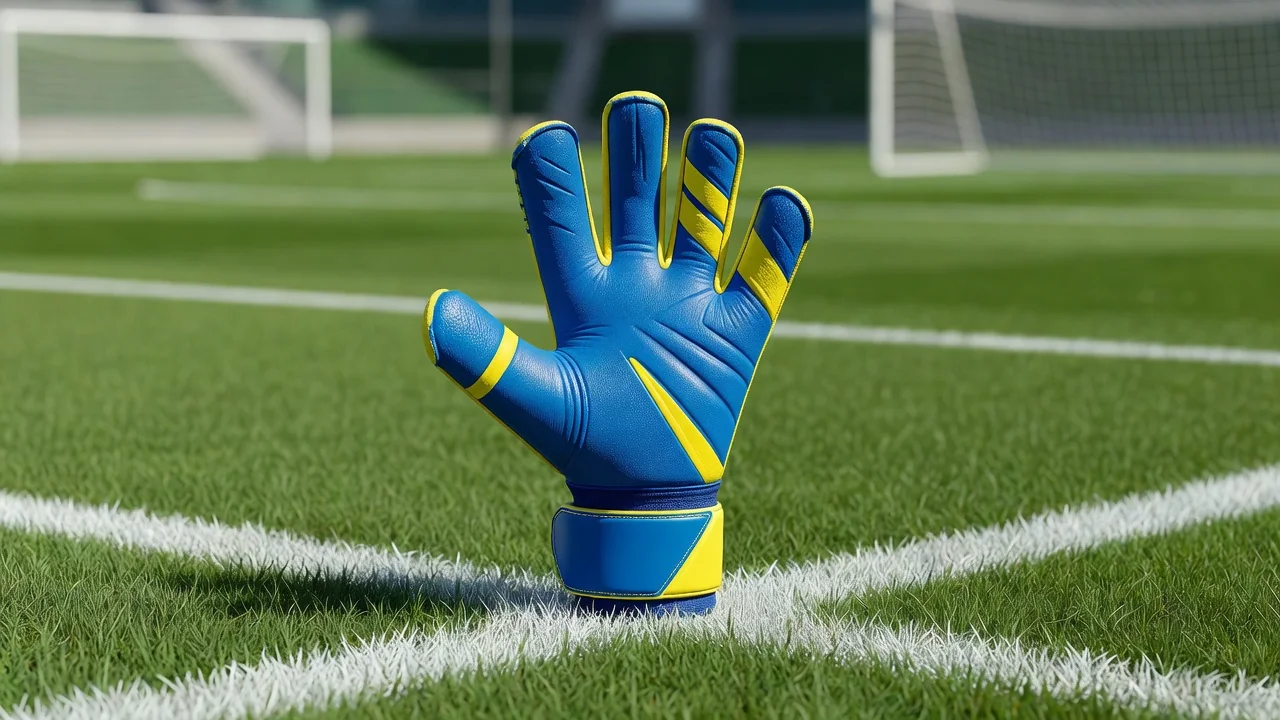
In a roll finger cut the latex of the palm wraps around the fingers and connects directly to the backhand, so the seams roll to the outside edge of each finger. The result is more latex in contact with the ball than any other cut — the fingers are effectively latex tubes. Keepers who parry and smother rather than catch cleanly often swear by roll finger because there is grip material wherever the ball touches. The cost is bulk and feel: the rolled fingers are thicker, the glove feels rounder and less precise, and the fit runs wide. Wet-weather keepers sometimes favour it for the sheer surface area of tacky latex. If your hands are narrow, roll finger can feel like wearing boxing mitts.
Negative: the modern snug fit
Negative cut inverts the construction: the seams are sewn on the inside of the glove, pulling the latex tight against the fingers. The fit is close, second-skin snug, and the ball contact is direct — what your hand feels, the ball feels. Most professional goalkeepers now wear negative or a negative-based hybrid, because the precision suits the modern sweeping, distributing keeper. The downsides are real: negative gloves are harder to pull on, feel restrictive on wide hands, and the tight fit stresses the seams, so they often wear out faster at the finger gussets. Sizing is also less forgiving — a negative glove half a size small is unusable, while a flat cut would merely feel roomy.
- Flat palm: roomy, breathable, forgiving — best first glove and wide hands.
- Roll finger: maximum latex contact, bulkier feel — parriers and wet weather.
- Negative: snug, precise, pro-standard — narrow hands and confident catchers.
- Hybrid: mixes constructions (often negative middle fingers, rolled outer) — a genuine compromise, not marketing.
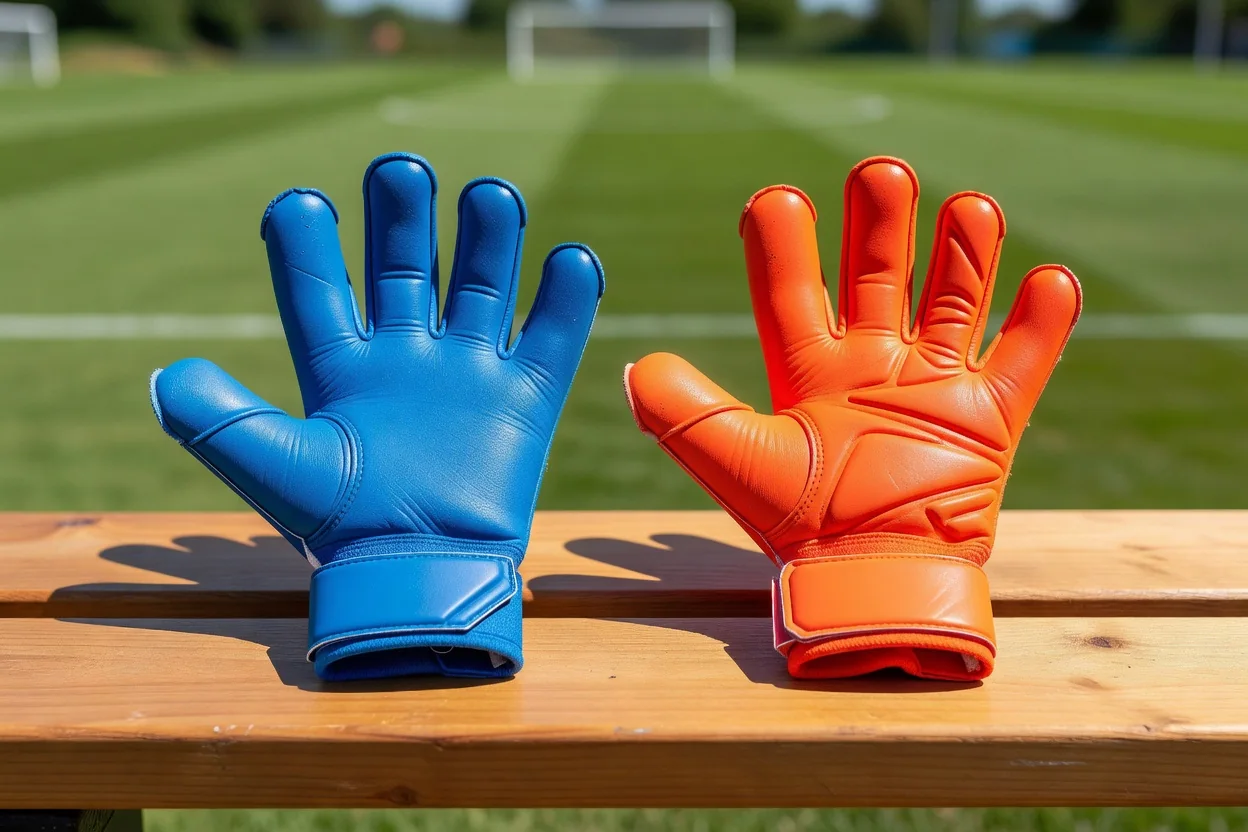
The cuts compared
| Cut | Fit | Ball contact | Durability | Best for |
|---|---|---|---|---|
| Flat palm | Roomy, boxy | Good, can wrinkle | High — external seams flex freely | Beginners, wide hands, budget pairs |
| Roll finger | Wide, rounded | Maximum latex surface | Medium — rolled fingers scuff on dives | Parry-first keepers, wet pitches |
| Negative | Tight, second-skin | Most direct feel | Lower — tight seams take stress | Experienced keepers, narrow hands |
| Hybrid | Varies by design | Balanced | Medium | Keepers between cuts |
How to choose without trying twenty pairs
Start with your hand shape, not the marketing: measure across the palm below the fingers — over 9.5 cm usually means flat or roll will be more comfortable; under that, negative opens up. Then be honest about technique: if you catch cleanly and distribute with your hands, the precision of negative pays; if you get fists and palms to everything, roll finger's extra latex is a feature. Whatever you choose, try the glove with the wrist strap fastened and make a fist around a ball — latex wrinkling across the palm means the cut is wrong for your hand, whatever the size label says.
Related reviews
Goalkeeper Glove Latex: Grip, Durability, Weather
Soft latex grips and dies young; hard latex survives and slips in the wet. How to read palm grades and match them to your pitches and budget.
2026-08-21
What Goalkeeper Kit Needs That Outfield Kit Does Not
Padding, abrasion panels, long sleeves and trousers that slide. Why a keeper’s shirt is a different garment and what to check before buying one.
2026-08-14
How to Make Goalkeeper Gloves Last Twice as Long
Pre-wash, damp palms, air dry away from radiators. The care routine that doubles glove life — and the habits that kill latex in a month.
2026-08-10