
Match Ball vs Training Ball: What You Actually Get
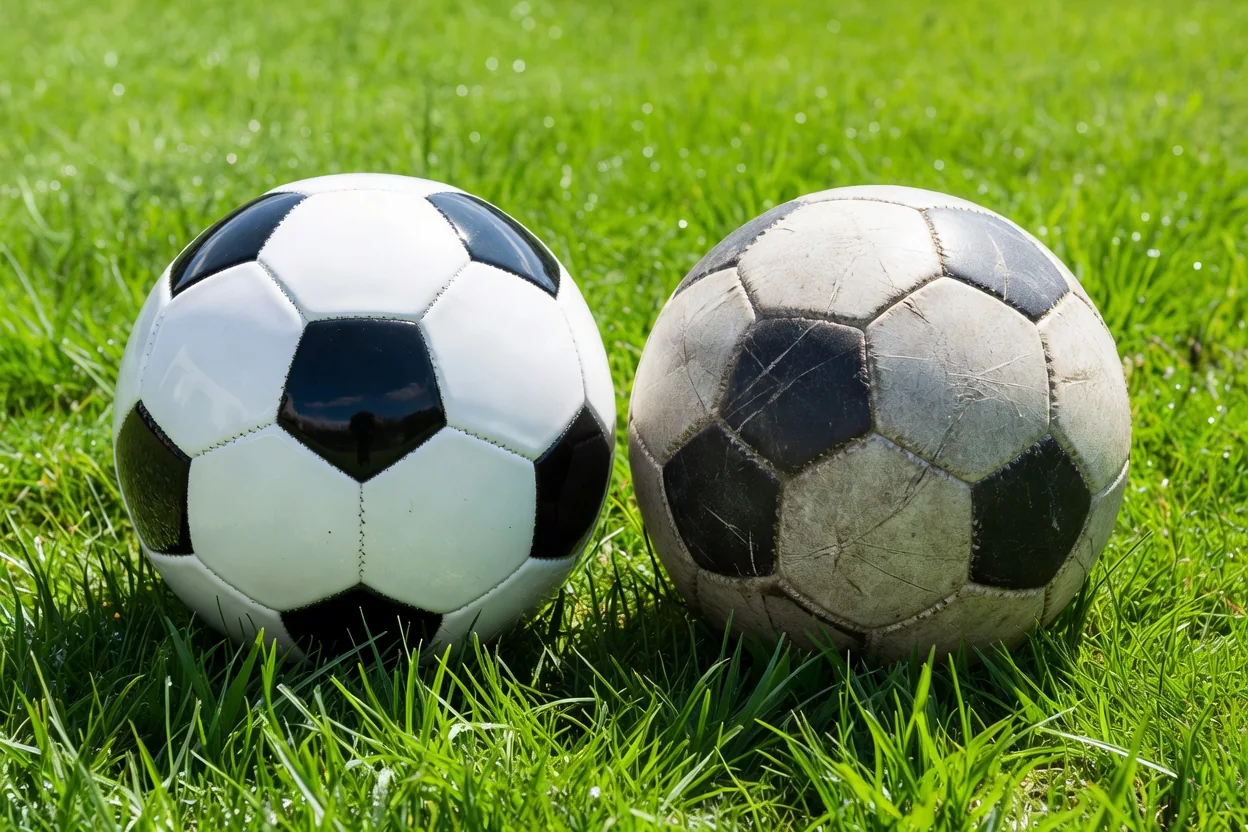
Two balls, same circumference, same panels, a wide gap on the price tag. One is the match ball — the model rolled out for televised finals — and the other is the training ball wearing the same graphics. To a buyer both look like the ball from the TV. Underneath the surface they are different products built for different lives: one engineered to fly perfectly for ninety minutes, the other to survive a thousand kicks a week on abrasive turf. Knowing where the money goes tells you which one your money should go to.
Inside a match ball: the expensive millimetres
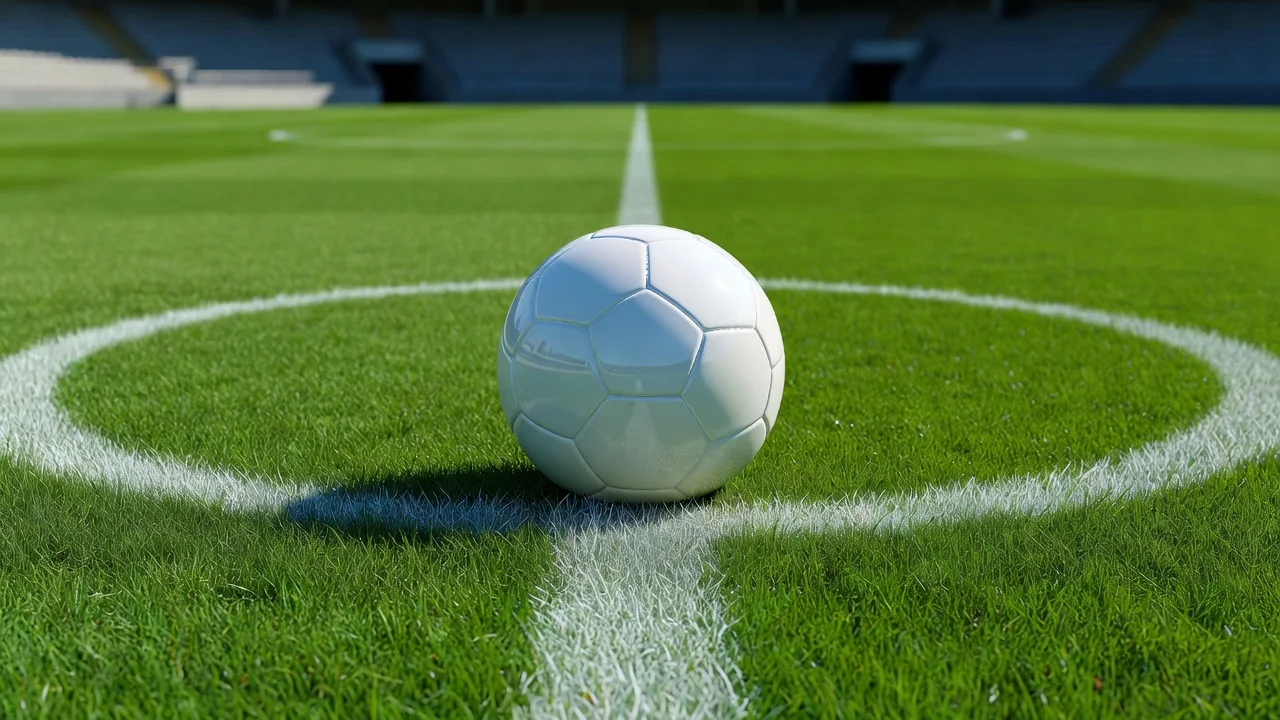
A top-tier match ball is a small exercise in materials obsession. The cover uses premium polyurethane with a textured micro-surface that stabilises airflow at speed — the reason elite balls hold a true line on long shots instead of knuckling unpredictably. Panels are thermobonded (heat-fused) rather than stitched, so seams sit flush and water uptake stays near zero even in a downpour. Under the cover sits the layer stack that gives the ball its character: foam or woven backing for the touch, and at the core a latex bladder — the same material as goalkeeper glove palms — which holds pressure beautifully and gives the lively, responsive feel players describe as "alive" off the foot.
Certification is the visible shorthand. Balls carrying the top quality mark have passed laboratory tests on circumference, sphericity, rebound, water absorption and shape retention after thousands of simulated kicks. That testing pipeline is part of what the price buys.
The training ball: built to be kicked to death
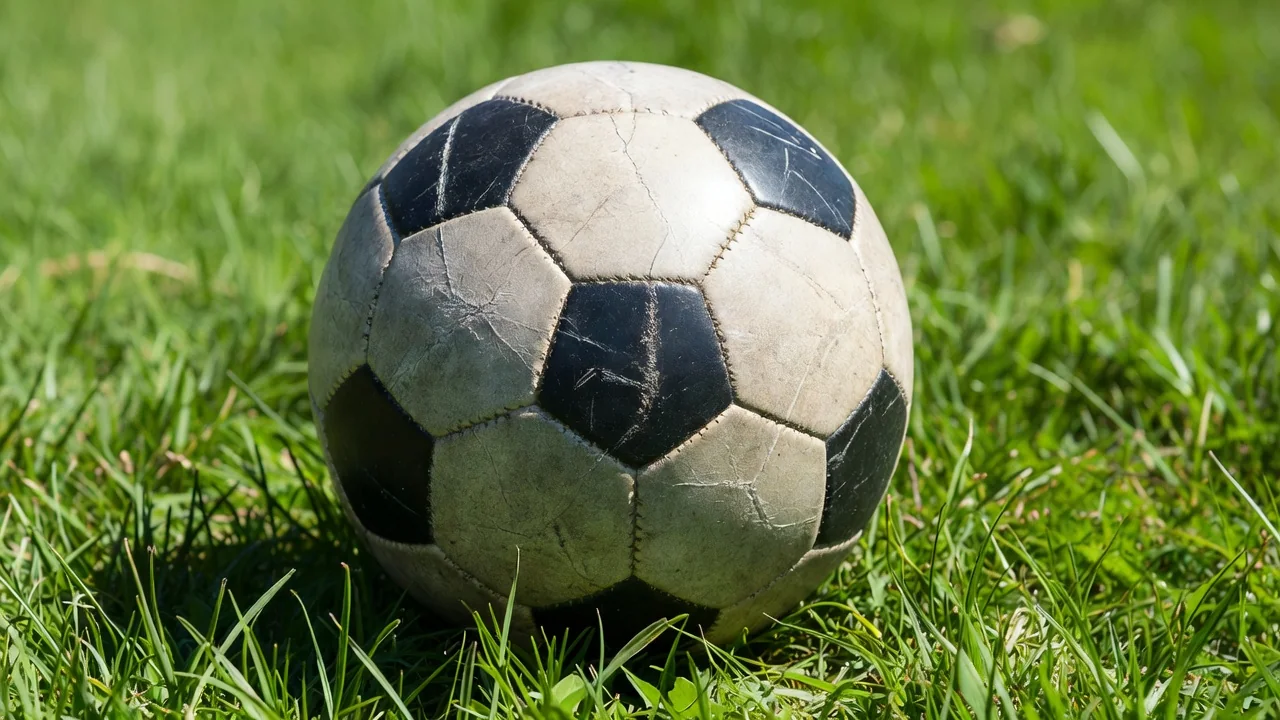
The training ball makes the opposite trade. The cover shifts to harder-wearing TPU or thicker PU that shrugs off abrasive 3G turf and concrete-edged playgrounds. Construction is usually machine-stitched — less seamless than thermobonding, but tougher at the seams, which is where balls die. The bladder is typically butyl: it holds air for weeks rather than days, which matters when a ball lives in a kit bag and gets inflated by whoever remembers the pump.
What you lose is refinement. The training ball flies slightly less true, feels harder off the foot, and in wet weather a stitched seam drinks more water than a bonded one, so the ball gains weight as the session goes on. What you gain is a lifespan measured in seasons rather than matches — at a fraction of the price, so losing one over a fence is an irritation rather than a funeral.
- Match ball: latex bladder, thermobonded panels, textured premium PU, certified flight.
- Training ball: butyl bladder, stitched panels, abrasion-proof cover, weeks between pumps.
- Mini/skills balls and futsal balls are separate categories — futsal uses a low-bounce bladder by design.
The tiers side by side
| Property | Match ball (top tier) | League/replica tier | Training ball |
|---|---|---|---|
| Bladder | Latex — lively, needs weekly air | Latex or hybrid | Butyl — holds air for weeks |
| Panels | Thermobonded, flush seams | Bonded or hybrid | Machine-stitched |
| Flight & touch | Truest flight, liveliest feel | Close, slightly firmer | Harder, less predictable |
| Water uptake | Minimal even in rain | Low | Noticeable through stitched seams |
| Durability on 3G/turf | Cover scuffs quickly | Moderate | Built for it |
| Best use | Matches on grass | Club training + amateur matches | Daily training, turf, schools |
Which one belongs in your bag
The arithmetic most clubs actually run: training balls for the ninety percent of touches that happen in practice, and one or two match balls reserved for games on grass — brought out at kick-off, retired to the bag at the whistle. For an individual player the calculus is simpler. If you train on 3G or concrete, a match ball is money sandpapered away in a month; buy the mid-tier replica of the ball you love and keep it for matches on grass only. If you play weekly matches on decent grass and train rarely, the real match ball is a legitimate luxury you will feel on every driven pass.
Whatever the tier, inflate to the pressure printed by the valve — an over-inflated match ball loses its touch and an under-inflated training ball loses its shape far faster than either loses its air.
Related reviews
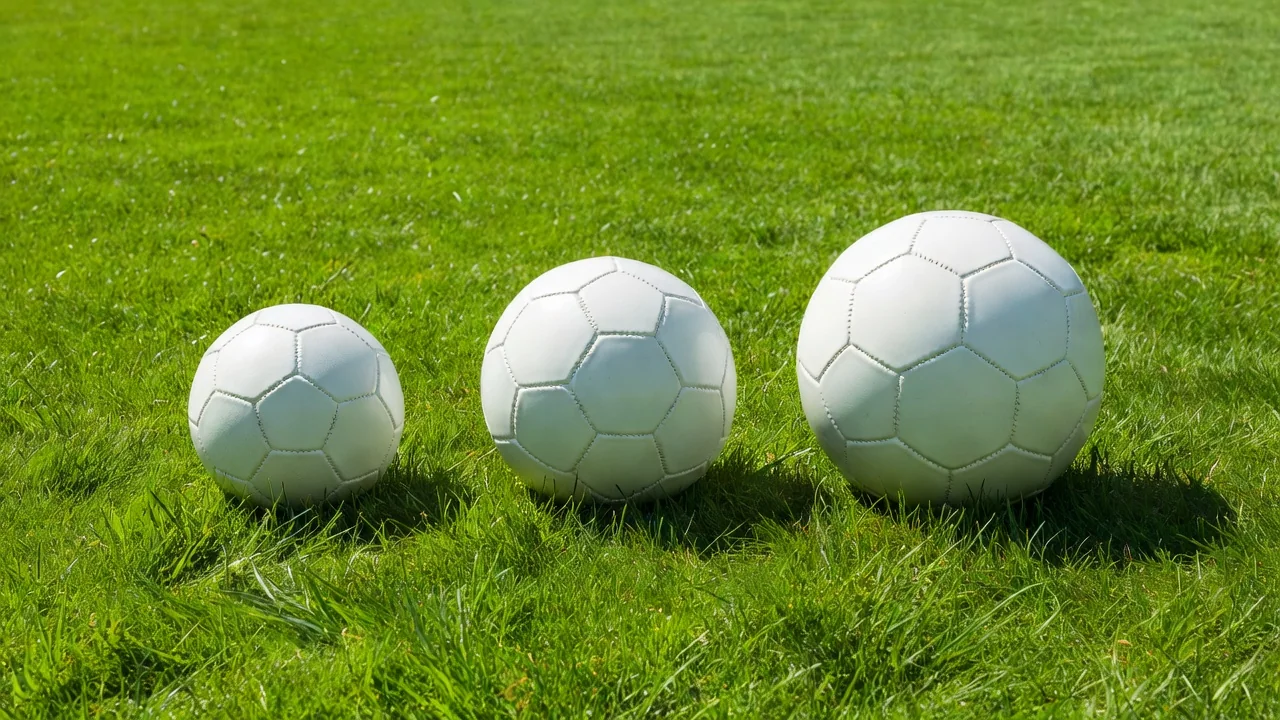
Football Sizes 3, 4 and 5: Which Ball for Which Age
A size 5 is a men’s match ball, not a toy. Circumference, weight and bounce by size — and why giving a nine-year-old an adult ball slows learning.
2026-08-22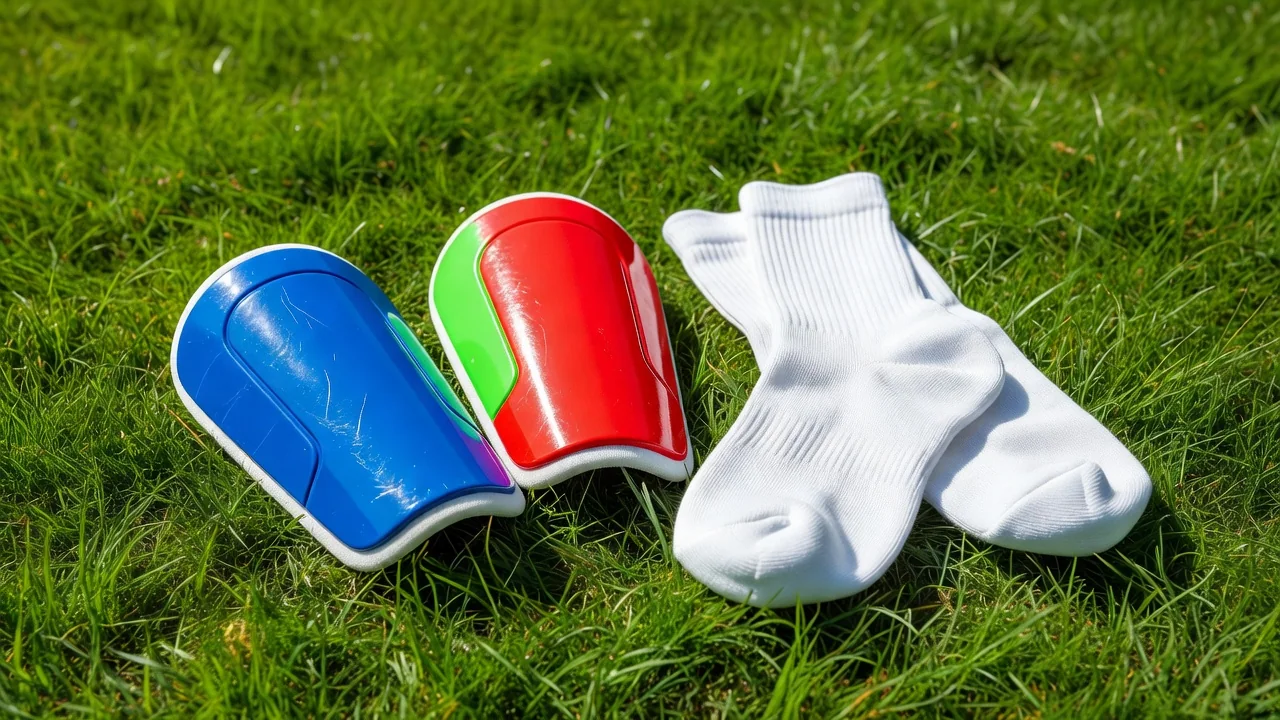
How to Choose Shin Pads That Actually Protect You
Slip-in, strapped and sock-style guards behave differently in a tackle. Coverage, fit and the ankle question — what to look for before you buy.
2026-08-17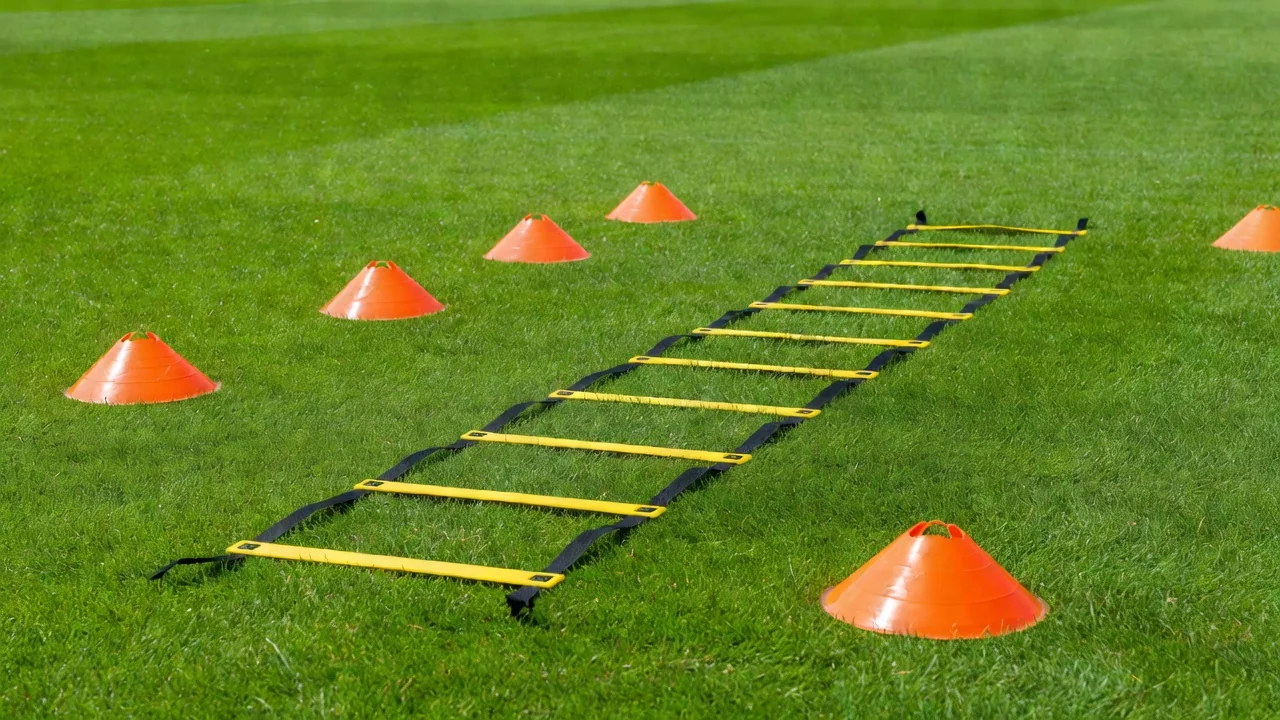
Five Pieces of Home Training Equipment Worth Buying
Cones, a ladder, a rebounder, a ball you trust and a pump. The short list of training kit that survives a season — and the gadgets that do not.
2026-08-13