
Football Boot Sizing: Why Boot Size Isn’t Shoe Size
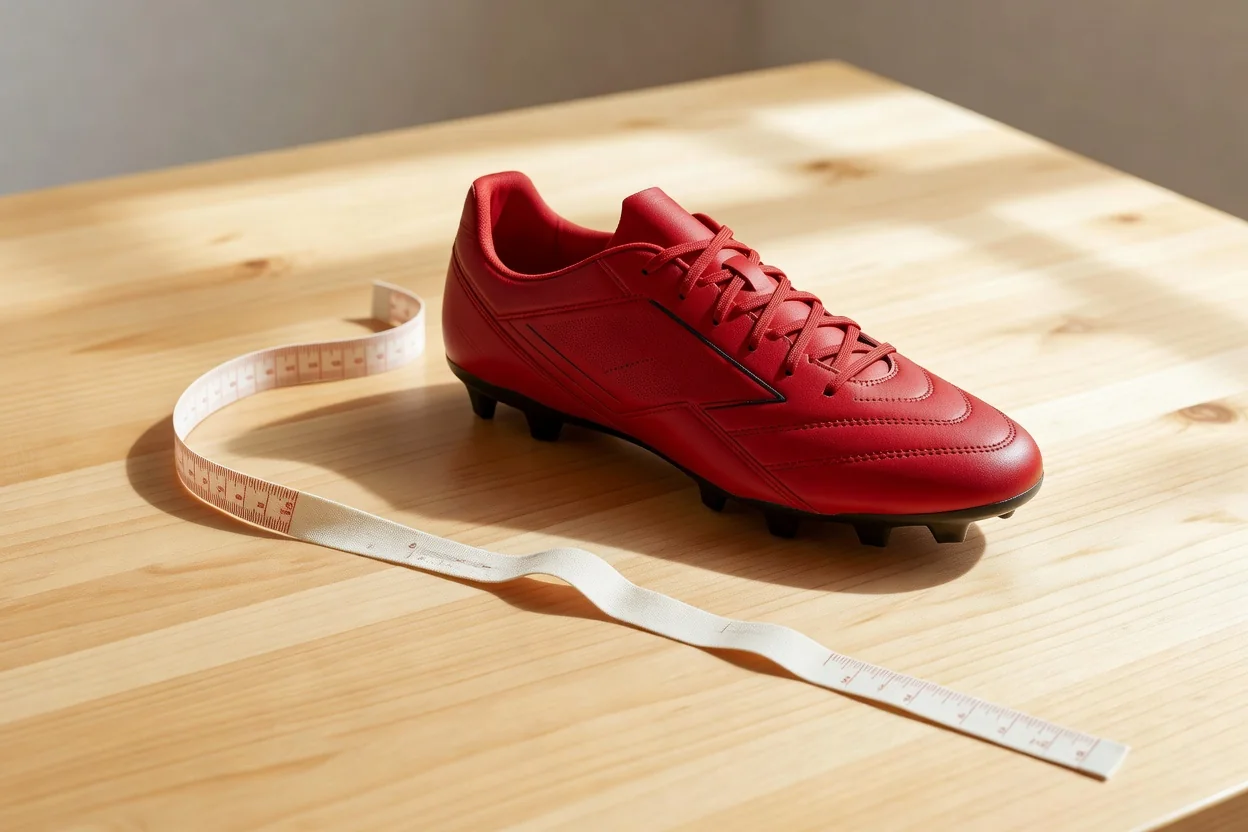
More football boots are returned for sizing than for every other reason combined, and most of those returns trace back to one assumption: that boot size equals shoe size. It does not. A boot is a piece of sports equipment that must lock your foot to a soleplate — the tolerances are tighter, the brands size differently from each other, and the "thumb width of space" rule from school shoe shopping actively ruins boot fit. Here is how to get it right, including when buying online.
Why boot fit is different
A trainer is built for heel-to-toe walking comfort; a boot is built for lateral force. When you cut inside a defender, your foot tries to slide sideways inside the boot — every millimetre of spare room becomes movement, and movement becomes blisters, lost studs of traction and rolled ankles. The correct boot fit is therefore closer than everyday shoes: snug through the midfoot and heel (zero heel lift when you walk), with just a few millimetres — not a thumb width — between your longest toe and the end. Your toes should be able to splay, but your heel should feel held. If you can slide a finger behind your heel into the boot, it is too big; if your toes press the end standing still, it is too small.
Measure at home properly
Feet change through the day and across a season, so measure before every purchase: late afternoon (feet are at their largest), wearing your match socks. Stand on a sheet of paper, mark heel and longest toe on both feet — nearly everyone has one foot 3–5 mm longer, and boots are bought for the bigger foot. Measure the length in millimetres and the width across the ball of the foot. Now the important part: use the brand's own size chart in centimetres (most list the last length), not the UK/EU conversion table on a random retail site. Brands genuinely differ — the same nominal size can vary by half a size between two major brands, and narrow versus wide last shapes change the answer again. If you are between sizes, the material decides: leather stretches a few millimetres and can take the smaller size; synthetics and knits barely give, so take the larger.
The online fit check
When the boots arrive, run the full check before the studs touch grass (returns die on worn soles): indoors on carpet, match socks on, laces fully loosened then re-tied from the toe up. Walk, then jog on the spot. Heel: locked, no lift. Midfoot: held when you twist. Toes: millimetres of space, no pressure on the end. Width: no pinch across the ball of the foot after five minutes — a pinch now is a blister in week one. Only then take them outside, and only onto grass, until you are sure.
- Boots fit closer than shoes — heel lock beats toe room.
- Measure both feet in millimetres, late afternoon, match socks on.
- Use the brand's centimetre chart, never a generic conversion table.
- Leather stretches; synthetics and knits do not. Size accordingly.
- Half a size wrong is fully wrong — do not "break in" a bad size.
- Test indoors first; grass stains end return windows.
Fit problems and what they mean
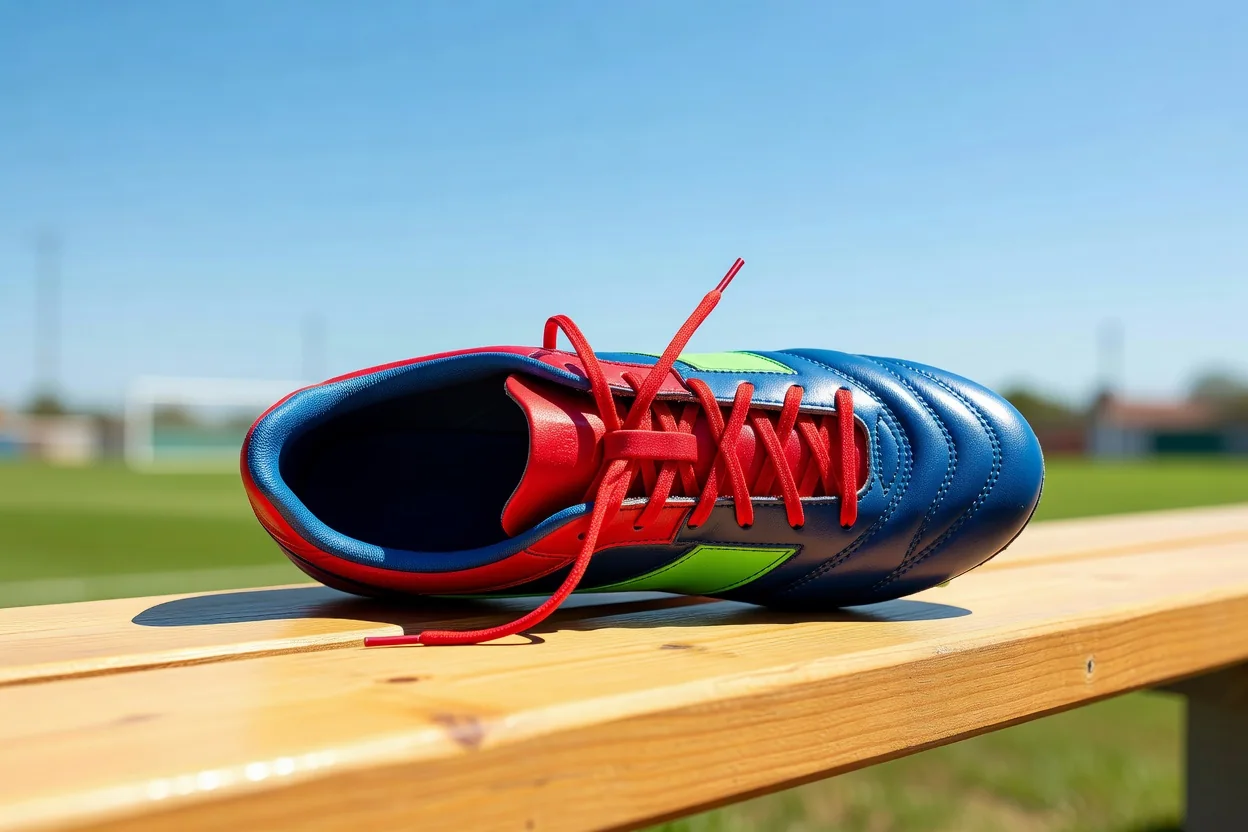
| Symptom | Cause | Fix |
|---|---|---|
| Heel lifts when walking | Too long or too wide at heel | Half size down or narrower last |
| Toes hit the end | Too short | Size up — never stretch into it |
| Pinch across the forefoot | Last too narrow | Wider model, not a bigger size |
| Blisters on top of toes | Foot sliding forward | Re-lace tighter or size down |
| Numb little toe | Width or lacing pressure | Skip-lace the lowest eyelets |
Growing feet and growing mistakes
For youth players the temptation is buying a size up "to grow into" — resist it. A child cutting in an oversized boot is learning footwork while their foot swims, and picking up blisters and bad habits for the privilege. The honest compromise is a half size of growing room maximum, checked monthly with the toe-press test, and mid-price boots you are willing to replace mid-season rather than premium ones bought to last two years they will never fit through.
Related reviews
How to Spot Fake Football Boots and Shirts
Too cheap, wrong stitching, plasticky crest, missing swing tags. The eight checks that catch counterfeit gear before the money leaves your account.
2026-08-27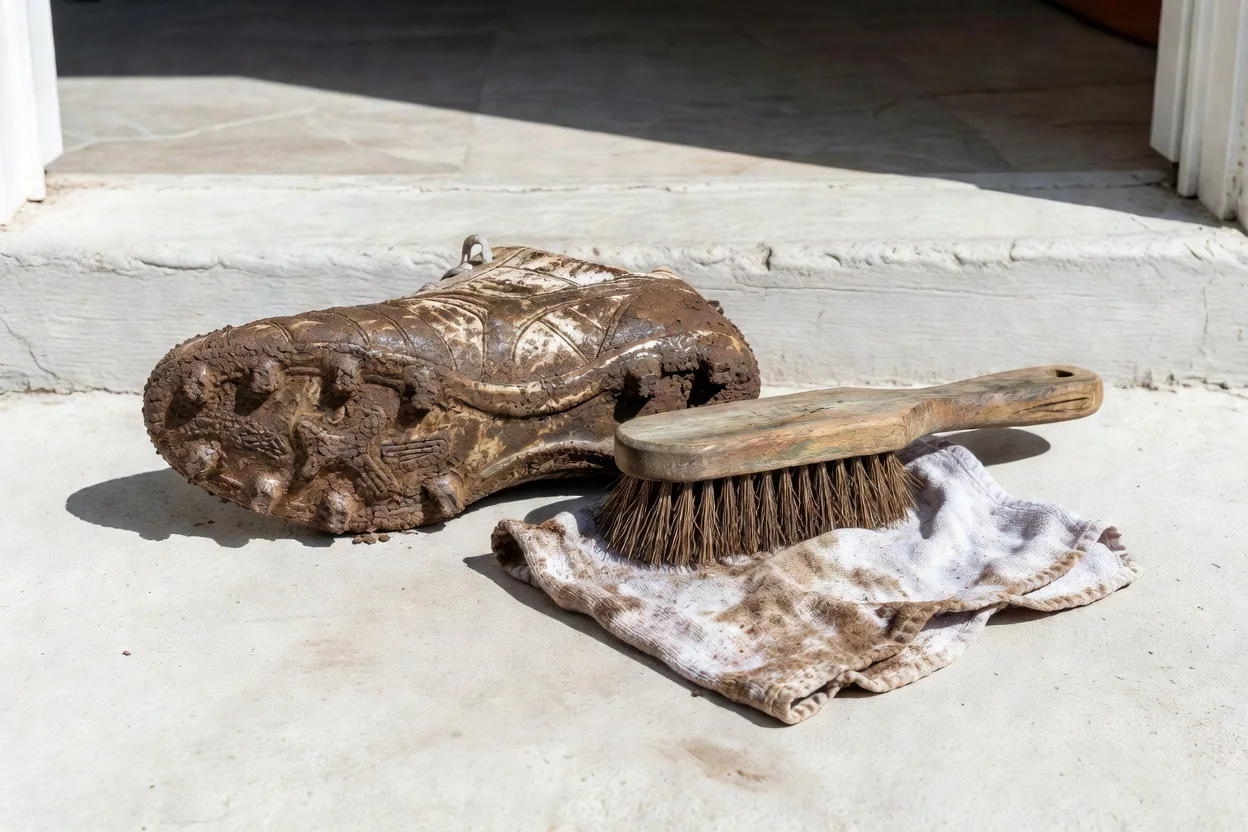
How to Clean Football Boots Without Ruining Them
Knock, brush, wipe, stuff, air dry. The ten-minute routine that keeps leather supple and knits fresh — and why radiators and washing machines kill boots.
2026-08-11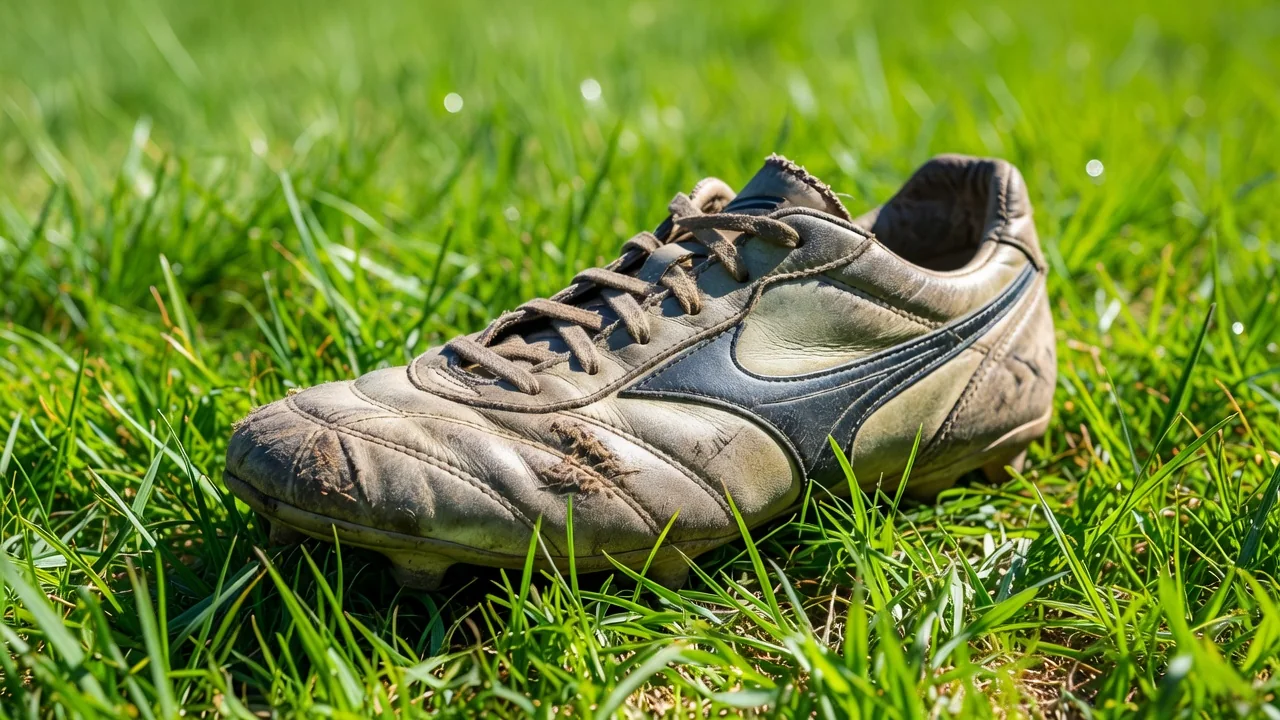
When to Replace Your Football Boots: The Honest Signs
Worn studs, split uppers, dead insoles and heel slip. The wear signs that mean a boot is done — and the ones a cobbler or new laces can still fix.
2026-08-06