
Goalkeeper Glove Latex: Grip, Durability, Weather
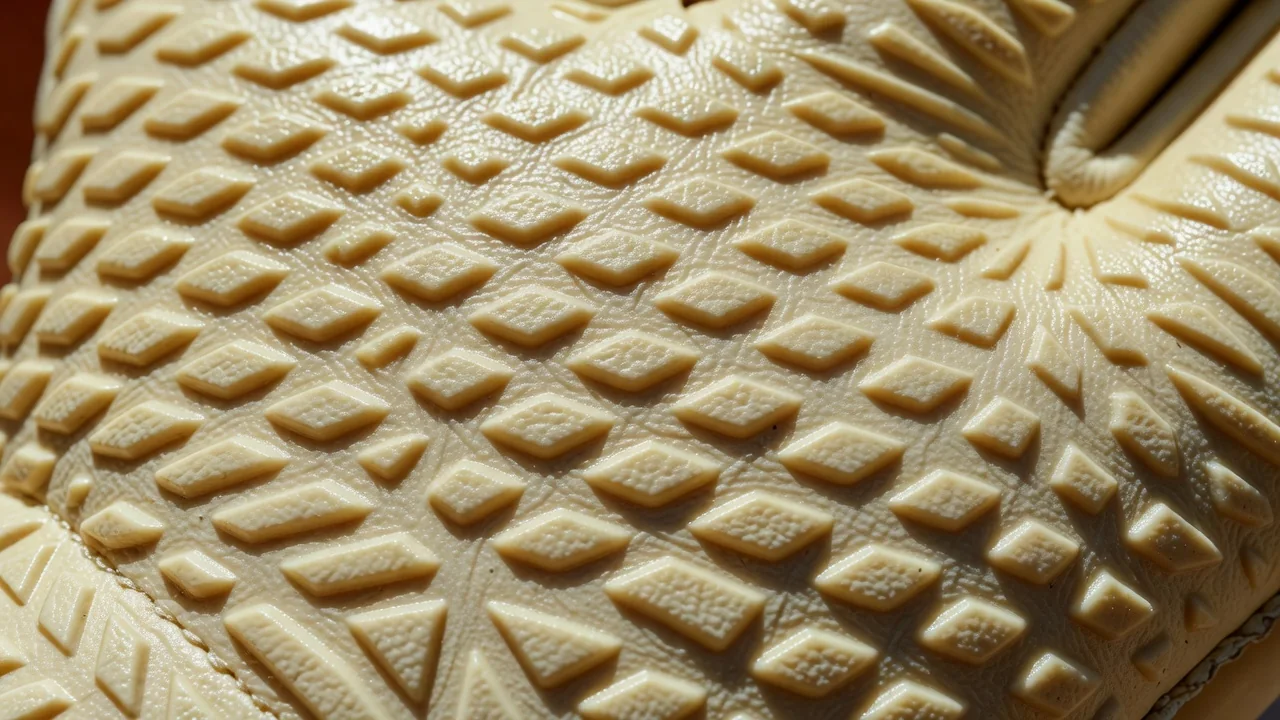
The palm of a goalkeeper glove is a slab of natural latex foam, and that single material choice drives the entire economics of keeping goal. Latex is why a glove grips like glue in August and why the same glove is bald by Christmas. Every glove purchase is a negotiation between grip and durability conducted in this one material — so understanding latex grades turns the confusing wall of gloves at the shop into a short, readable list.
Soft latex: grip that burns bright and dies young
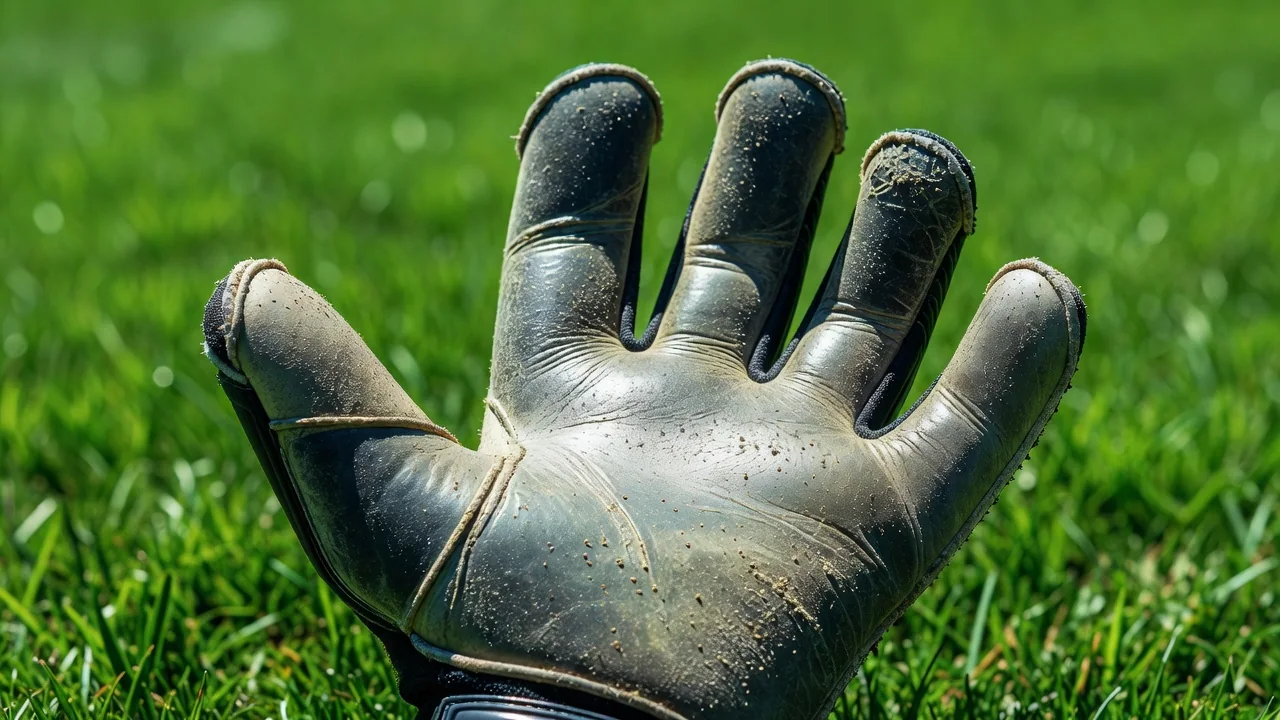
Soft, high-grade latex — the kind on match gloves at the top of the price list — is tacky to the touch straight out of the packet. It catches balls you have no business catching, particularly in the dry. The catch is the catch: softness means the foam cells tear easily. On abrasive surfaces — 3G turf, hard dry ground, gritty winter pitches — a soft palm can show visible wear in three or four sessions. This is not a defect; it is the material doing its job. Professionals burn through soft match gloves weekly because someone else pays. Amateur keepers should treat soft latex as a match-day luxury or skip it entirely.
Hard and durable latex: the training workhorse
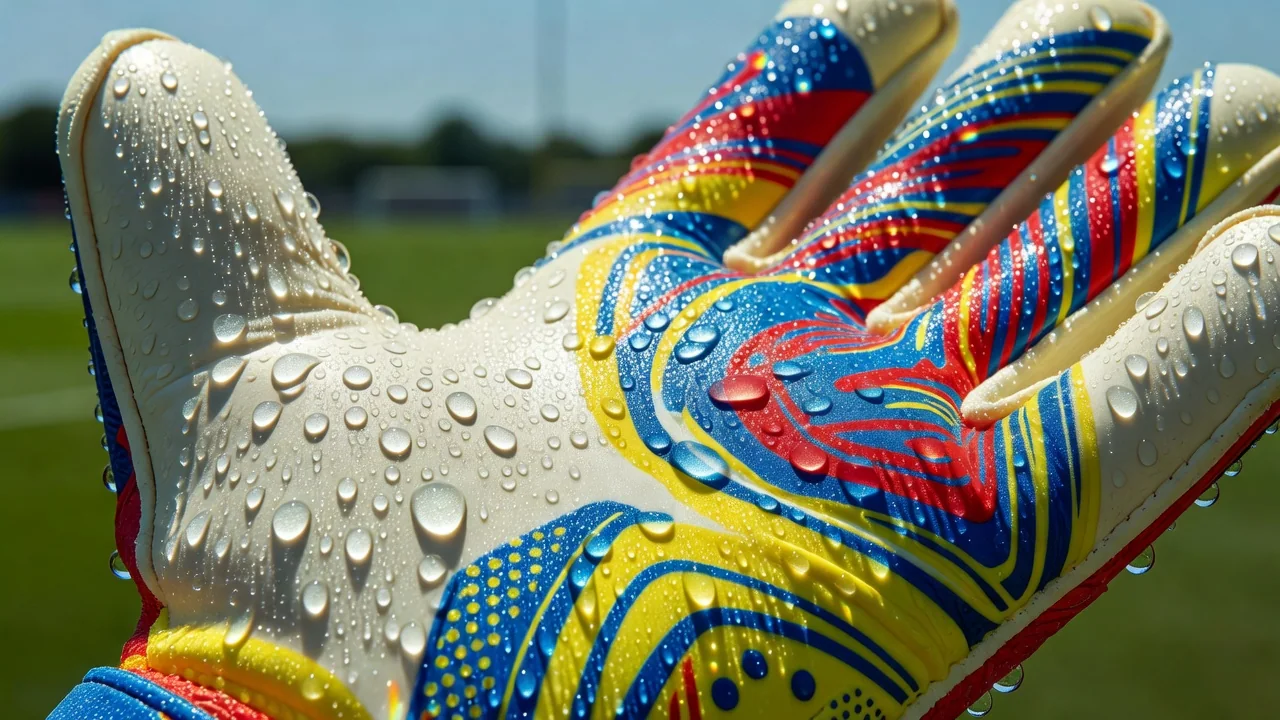
Denser latex compounds trade outright tack for longevity. A training-grade palm feels firmer, grips a notch less in the dry, and can survive months of midweek sessions on abrasive ground. The honest weakness appears in the wet: cheaper hard latex gets slippery when saturated, because the closed surface cannot channel water away. If your league plays through winter rain, a budget hard palm is a false economy — you will be towelling the palms between corners. The middle of the market exists precisely here: mid-soft latex that grips respectably, survives a season of twice-weekly football and behaves acceptably in rain.
Reading the labels and matching latex to your life
Manufacturers brand their latex grades with proprietary names, but the spectrum is always the same three rungs. Learn to read past the name to the description: words like "soft", "contact" or "pro" signal match latex; "dura", "training" or "hard ground" signal longevity compounds; anything mentioning "aqua" or "wet" indicates a wet-weather grade — genuinely different latex, formulated to keep its friction when soaked, and worth the premium if you play outdoors from October to March.
- Match (soft) latex: elite grip, weeks of life — finals, not Fridays.
- All-round (mid-soft) latex: the sane default for one-glove keepers.
- Durable (hard) latex: months of training, slippery when soaked.
- Wet-weather latex: grips in rain, still wears like soft foam.
Latex grades compared
| Grade | Dry grip | Wet grip | Lifespan | Use it for |
|---|---|---|---|---|
| Match / pro soft | Outstanding | Good if dampened | Weeks on 3G | Match days, grass pitches |
| All-round mid-soft | Very good | Acceptable | A season of mixed use | One-glove amateur keepers |
| Durable training | Good | Poor when soaked | Months of abrasion | Training, 3G, hard ground |
| Wet-weather | Very good | Excellent | Medium — soft structure | Winter leagues, rainy climates |
The two-glove solution
The setup most experienced amateur keepers eventually land on is two pairs: a durable training glove that takes the midweek punishment and a softer match glove that lives in the bag for Saturdays. The combined cost is lower than replacing one premium pair three times a season, and your match grip is always fresh. Whichever route you take, remember that latex is perishable — a glove left damp in a sealed bag rots faster than a glove worn hard, so care (pre-washing new gloves, air drying away from heat) is half the durability equation.
Related reviews
Goalkeeper Glove Cuts Explained: Flat, Roll, Negative
The cut decides how the palm wraps the ball and how the glove fits your hand. Flat, roll finger, negative and hybrid — what each feels like in play.
2026-08-28
What Goalkeeper Kit Needs That Outfield Kit Does Not
Padding, abrasion panels, long sleeves and trousers that slide. Why a keeper’s shirt is a different garment and what to check before buying one.
2026-08-14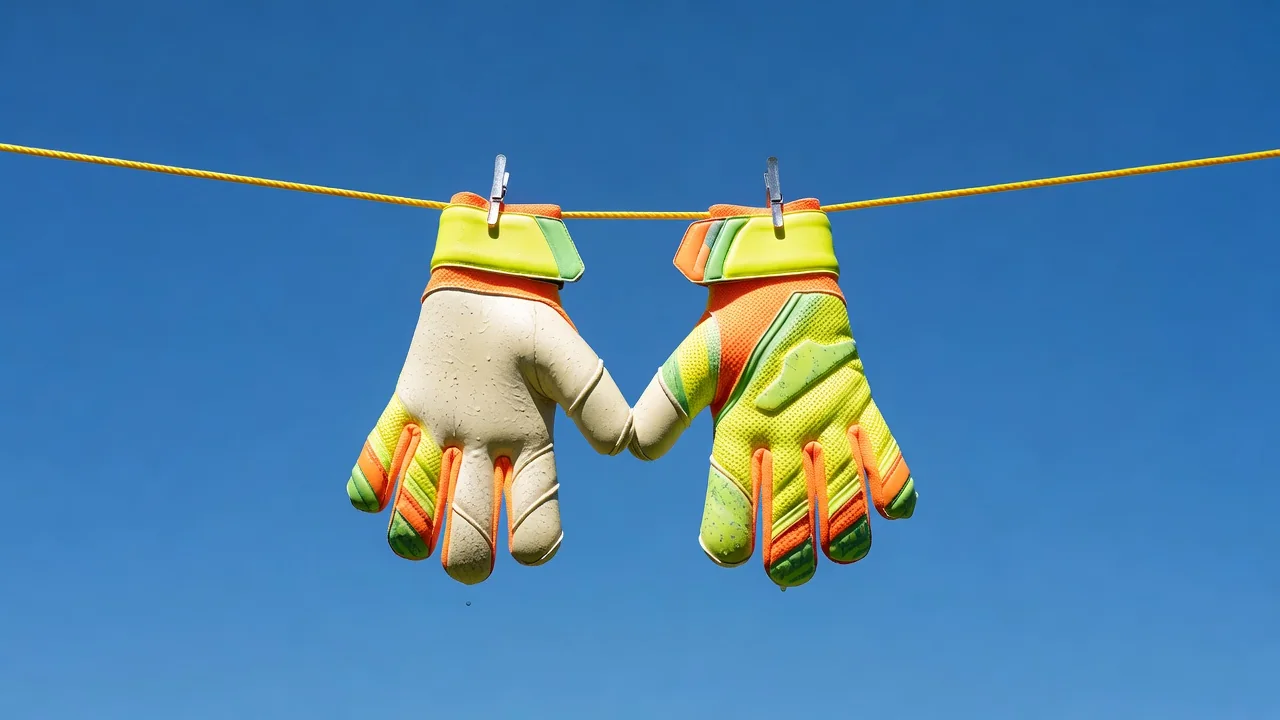
How to Make Goalkeeper Gloves Last Twice as Long
Pre-wash, damp palms, air dry away from radiators. The care routine that doubles glove life — and the habits that kill latex in a month.
2026-08-10