
How to Choose Football Boots for Your Position
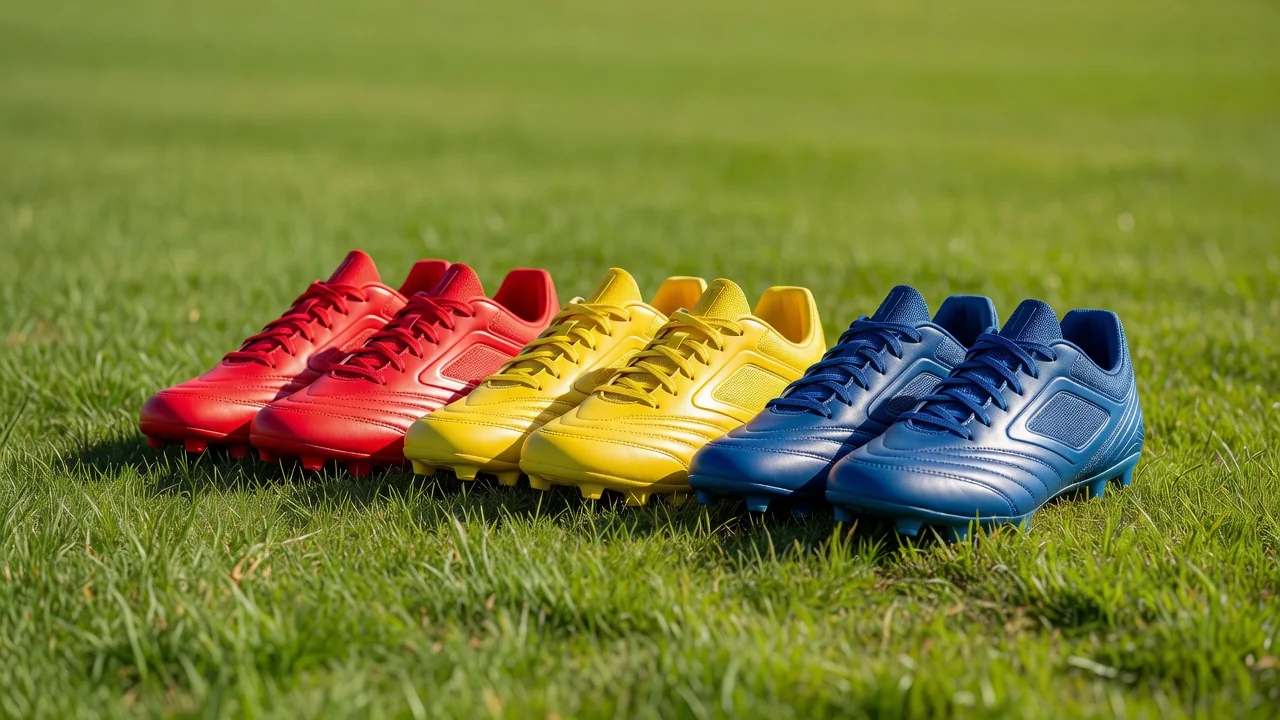
Ask five team-mates what boots they wear and you will hear five answers, all delivered with total confidence. The striker swears by the lightest speed boot in the shop, the centre-half has worn the same leather class for a decade, and the goalkeeper bought whatever was on sale. Only one of them chose on purpose. Position does not pick the boot for you, but it decides which problems the boot has to solve — and buying for the wrong problem is how players end up with blisters in September and dead boots by March.
This guide works through what each line of the team actually demands from a pair of boots, using the three big boot classes — speed, control and heritage leather — as reference points rather than recommendations. The right answer is the boot that fits your foot and your pitch; position just tells you where to start looking.
What your position asks a boot to do
A winger and a defensive midfielder might play ninety minutes on the same pitch and stress their boots in almost opposite ways. The winger's game is acceleration: ten to fifteen hard sprints, sharp cuts off both feet, and a premium on every gram when chasing a full-back in the 85th minute. The pivot's game is volume and contact: seven to nine kilometres of constant movement, dozens of short passes struck with the inside of the foot, and regular tackles where a thin upper offers little protection from a late stud.
Centre-backs add a third demand: stability. Jumping, landing, and twisting under the weight of a challenge punishes a boot with a soft, unstructured heel. Full-backs sit between the winger and the pivot, which is why so many of them end up in control-class boots that compromise on nothing. Goalkeepers are a separate case — their sprints are five metres, not fifty, and the boot's job is lateral grip for the push-off step and durability against the toe-drag that keepers do on every dive.
Matching boot classes to roles
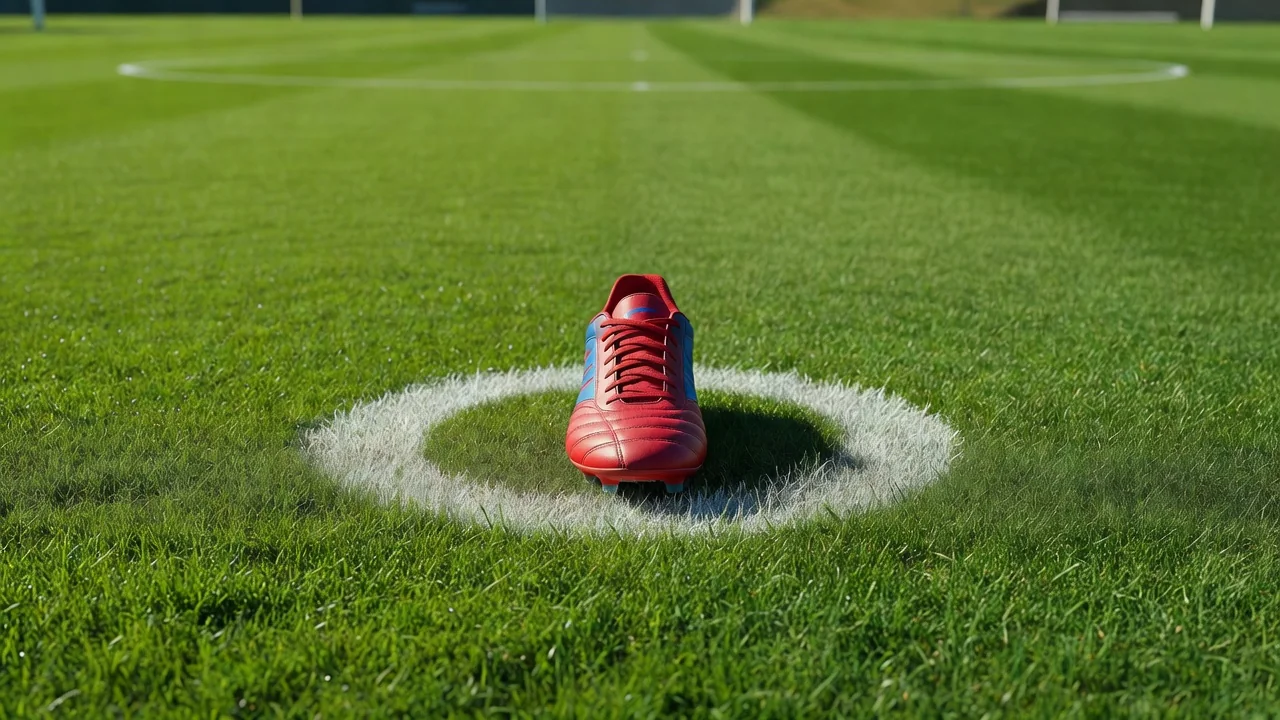
The market sorts itself into three loose classes, whatever the logo on the heel. Speed boots — the Mercurial-style class — chase minimum weight with thin synthetic uppers and aggressive stud geometry. Control boots — the Predator or Phantom class — trade a few grams for a more structured upper with textured strike zones and a closer wrap. Heritage boots — the Copa or Tiempo class — build around leather that moulds to the foot over a month of wear.
None of these is position-locked, and professionals break every rule: there are centre-backs in speed boots and wingers in leather. But the pattern holds as a starting filter:
- Wingers and strikers who live on sprinting and one-touch finishing tend to get the most from the speed class, where the upper disappears on the foot.
- Midfielders who touch the ball sixty or seventy times a game usually prefer the control class, where the strike zone texture and padded touch earn their keep over ninety minutes.
- Defenders and players in leagues with heavy winter pitches often land on heritage leather for its structure, water behaviour and sheer lifespan.
- Goalkeepers should ignore fashion entirely: a snug midfoot, a stud pattern with lateral bite, and a reinforced toe matter more than any strike-zone technology.
The comparison that matters before you buy
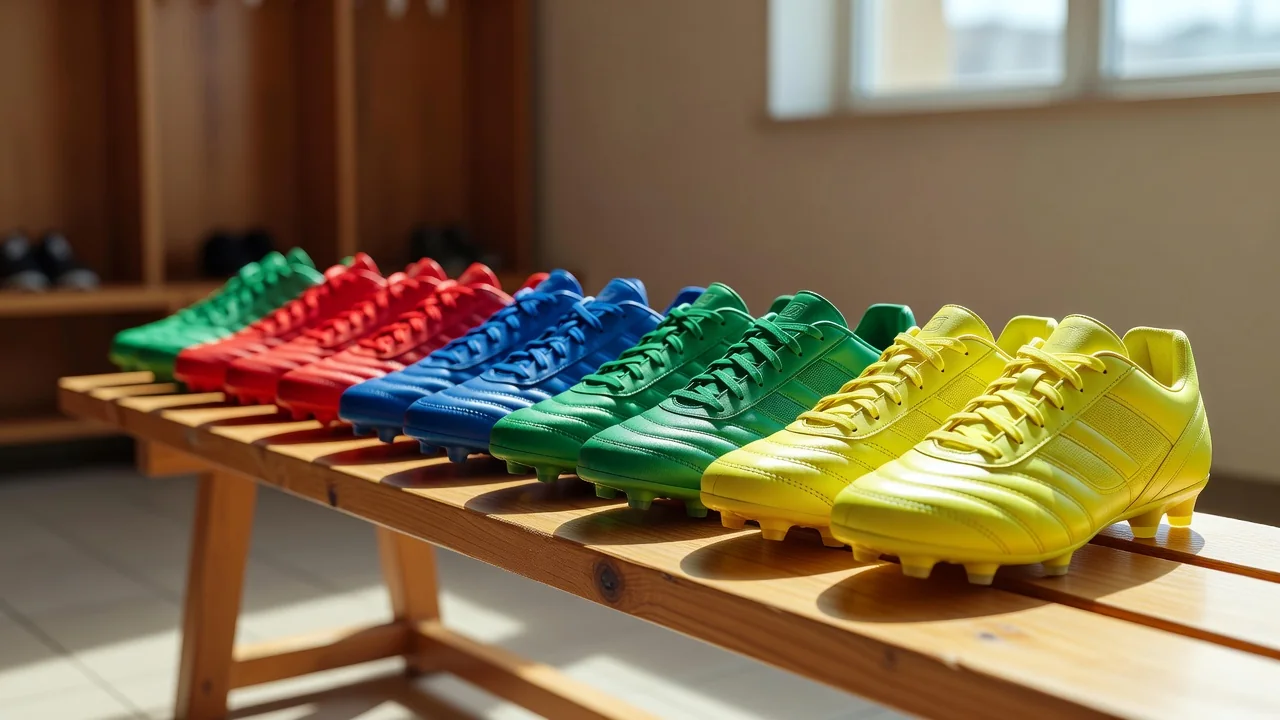
Forget the colourway. Line the classes up on the five properties that actually change how you play, and the choice usually makes itself.
| Property | Speed class | Control class | Heritage leather |
|---|---|---|---|
| Typical weight (size 8) | ~190–210 g | ~220–250 g | ~240–280 g |
| Upper feel | Thin, barefoot, little protection | Structured, textured strike zone | Soft, moulds to the foot |
| Best fit for | Sprinters, touch players | High-volume midfielders | Wide feet, winter leagues |
| Break-in period | Almost none | One or two sessions | Two to four weeks |
| Weakness by position | Fragile for tackling roles | Jack of all trades, master of none | Heavy for repeated sprinting |
Fit first, position second, brand last
Every study of boot satisfaction ends up in the same place: players who buy for fit keep their boots, players who buy for looks resell them. A boot that matches your role but crushes your forefoot will lose to a "wrong" class that fits like a sock. So the working order is simple. Fix your size and width first — leather classes run roomier, speed classes run narrow. Then filter by position using the table above. Only then look at brands, because every major manufacturer offers all three classes and the differences inside a class are smaller than the marketing suggests.
One last check that costs nothing: wear your match socks and your usual shin pads when you try boots, and jog on the spot for two minutes. Heel lift or forefoot pressure in the shop becomes a blister by half-time of the first match.
Related reviews
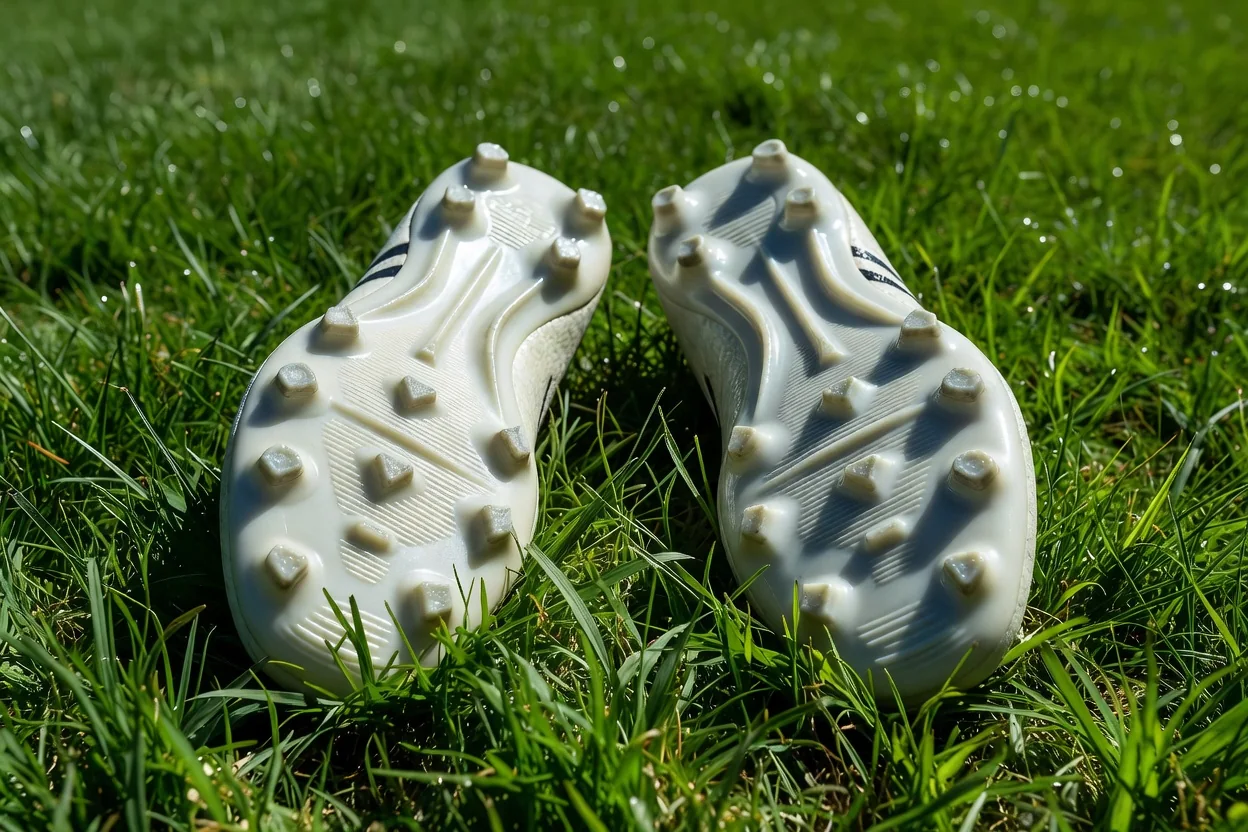
Firm Ground vs Soft Ground Boots: Which Soleplate to Buy
FG, SG, AG and MG are not marketing letters — they are stud geometry for specific surfaces. How to match the soleplate to the pitch you actually play on.
2026-08-29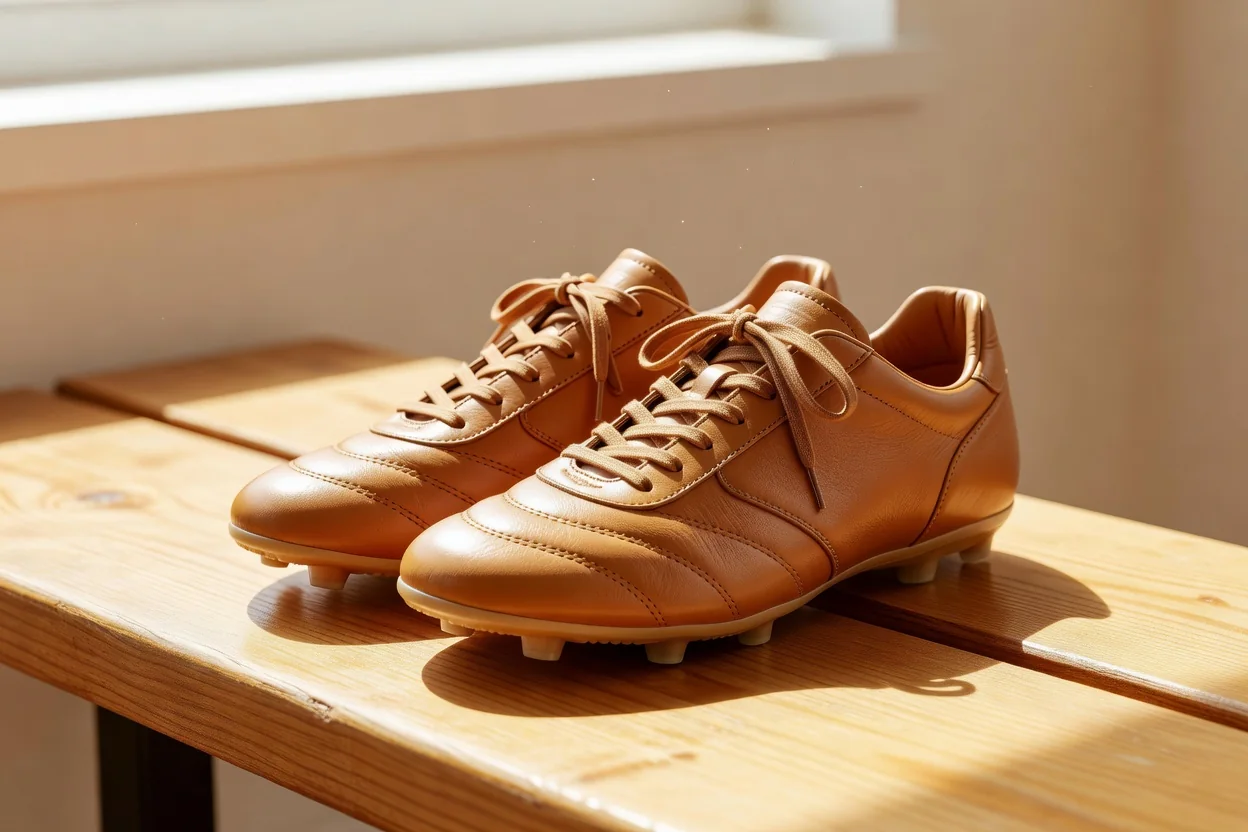
Football Boots for Wide Feet: The Classes That Fit
Wide-footed players squeeze into narrow speed boots and pay for it in blisters. Which boot classes run wide, and how to test the fit at home.
2026-08-24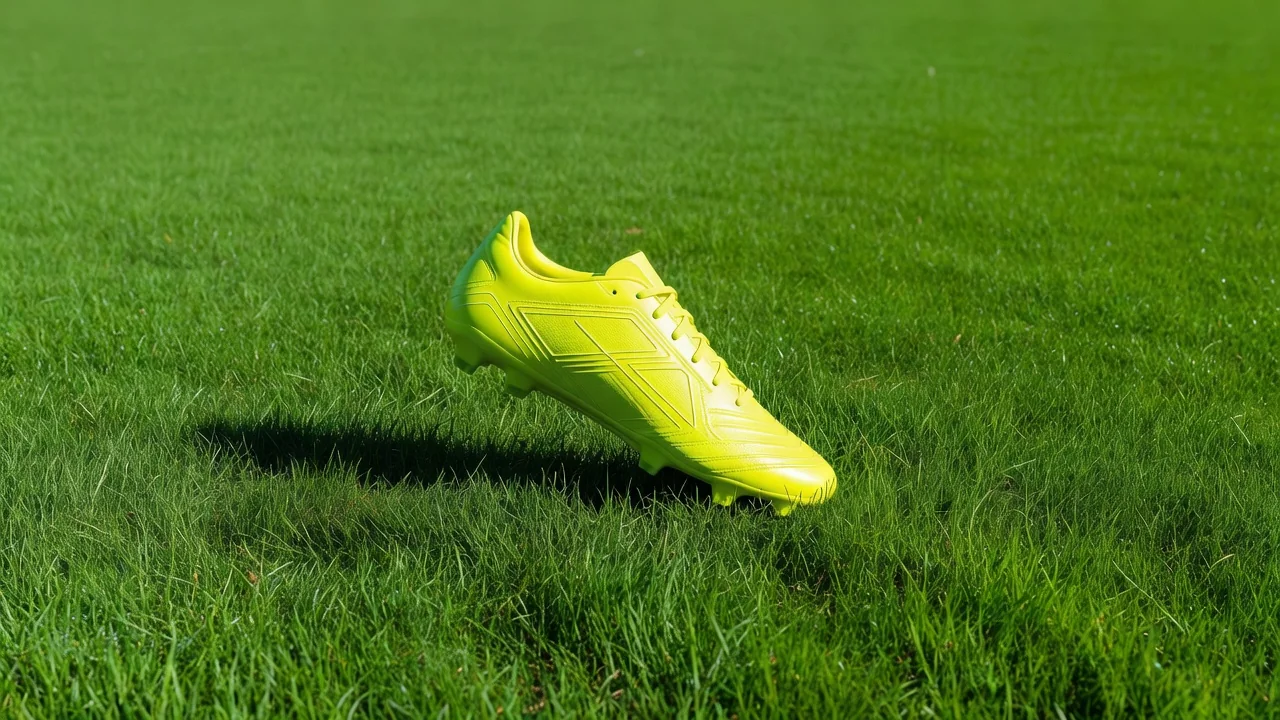
Speed Boots vs Control Boots: What the Classes Mean
Speed, control and heritage are the three big boot classes. What actually changes between them — weight, upper, touch — and who each class suits.
2026-08-18