
Football Boots for Wide Feet: The Classes That Fit
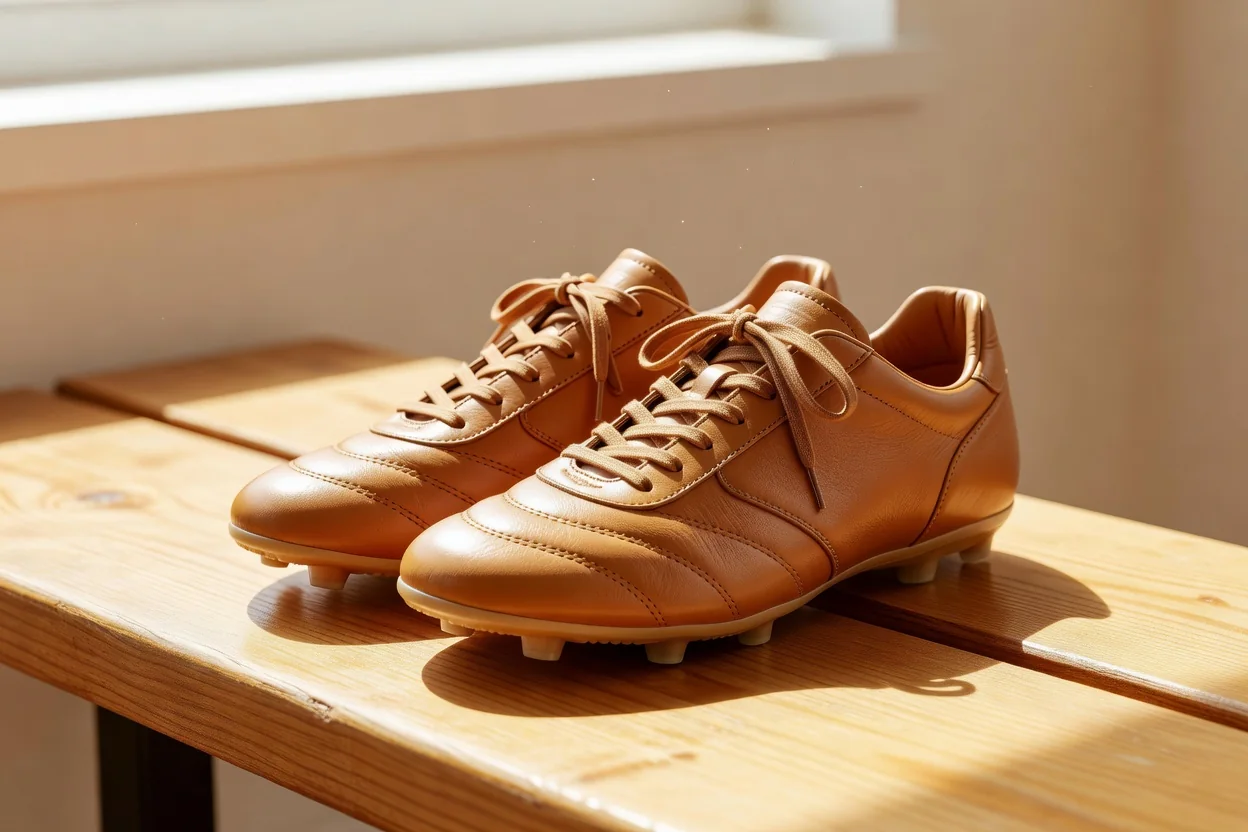
Every wide-footed footballer knows the routine. You try the boot everyone is wearing, your little toe goes numb in the shop, the assistant says "it will stretch", and six weeks later you are playing in pain with a boot that stretched everywhere except where you needed it. Wide feet are not a niche problem — podiatrists estimate a substantial share of adults have forefeet broader than the standard last the industry designs around — yet most boot marketing pretends the narrow racing fit is the only fit that exists.
It is not. Some boot classes are built on roomier lasts, some materials genuinely adapt, and a few lacing and sizing tricks can rescue a borderline fit. Here is the honest map.
Why most boots feel narrow
Modern speed boots are designed around a locked-in, second-skin fit because their buyers — wingers, strikers — equate any internal movement with lost power. The last (the plastic foot-shaped form the boot is built on) is slim through the midfoot and pointed at the toe. Synthetics hold their factory shape, so what you feel in the shop is what you get forever. Knit uppers behave better: the woven structure has genuine mechanical stretch and will open up by a few millimetres across the forefoot within a couple of sessions, though the soleplate width underneath never changes.
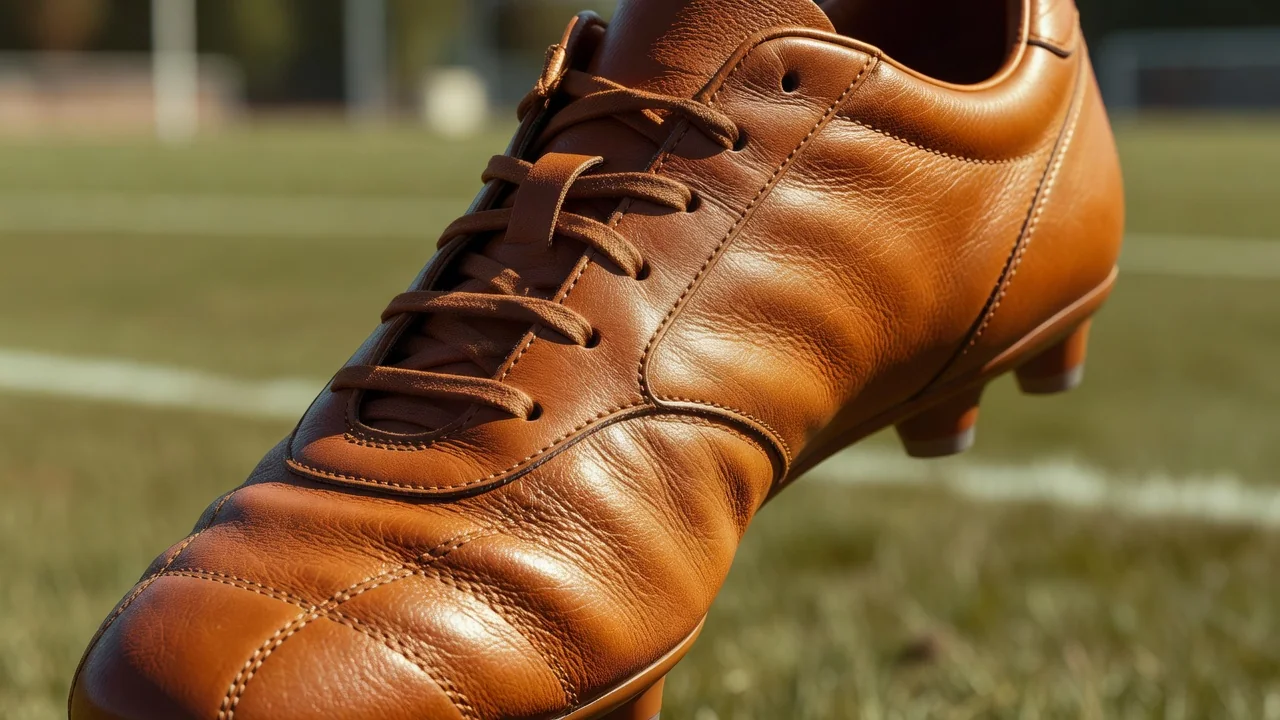
Leather is the wide foot's oldest friend. A quality leather upper — the Copa and Tiempo heritage classes are the reference points — does not just stretch, it moulds: the hide takes a permanent set around the bones of your forefoot over three or four weeks of wear. Players with genuinely wide feet have survived entire careers in leather for exactly this reason.
The home test before you commit
You can learn more in ten minutes at home than in an hour in a shop, because shops make you walk on carpet for thirty seconds. Do this instead:
- Trace your foot on paper in the evening (feet swell through the day), standing, in your match socks. Measure the widest point across the ball of the foot.
- Compare against the insole: pull the insole from any boot you consider and stand on it. If your foot spills over the edges, no upper on earth will save that boot for you.
- Wear the boots indoors for a full evening — an hour minimum, with shin pads and match socks. Numbness, hot spots or a burning outer forefoot in hour one means blisters and worse by month two.
- Check the little toe specifically. Pressure on the fifth metatarsal head is the classic wide-foot failure and the one "stretching" fixes least.
Keep the box and the receipt: most reputable online shops accept returns on boots worn indoors, which makes the evening test a legitimate fitting room.
How the classes compare for wide feet
| Class / upper | Forefoot room | Adaptation over time | Wide-foot rating |
|---|---|---|---|
| Heritage leather (Copa/Tiempo class) | Generous, round toe box | Moulds permanently to the foot | Excellent |
| Knit control boots | Moderate, stretchy collar | Opens a few mm in first sessions | Good |
| Speed boots, synthetic | Slim and pointed | Almost none | Poor |
| Wide-specific models (where offered) | Built on a wider last | Consistent, designed-in | Excellent |
Tricks that work — and one that ruins boots
If your heart is set on a boot that runs slightly narrow, lacing can recover real room: skip the lowest one or two lace holes entirely over the widest part of the forefoot, which drops the pressure where the bones splay. Going up half a size helps only if the problem is pure width across the toes — and it costs you length lockdown, so heel slip becomes the new problem; a better fix is choosing the leather class in your true size. Avoid the old trick of soaking leather boots in hot water to speed up stretching: it works, but it also cooks the adhesives in the sole and shortens the boot's life by a season.
Related reviews
How to Choose Football Boots for Your Position
Wingers, pivots and centre-backs stress a boot in different ways. How position, playing style and workload should steer the pair you buy.
2026-09-01
Firm Ground vs Soft Ground Boots: Which Soleplate to Buy
FG, SG, AG and MG are not marketing letters — they are stud geometry for specific surfaces. How to match the soleplate to the pitch you actually play on.
2026-08-29
Speed Boots vs Control Boots: What the Classes Mean
Speed, control and heritage are the three big boot classes. What actually changes between them — weight, upper, touch — and who each class suits.
2026-08-18