
Speed Boots vs Control Boots: What the Classes Mean
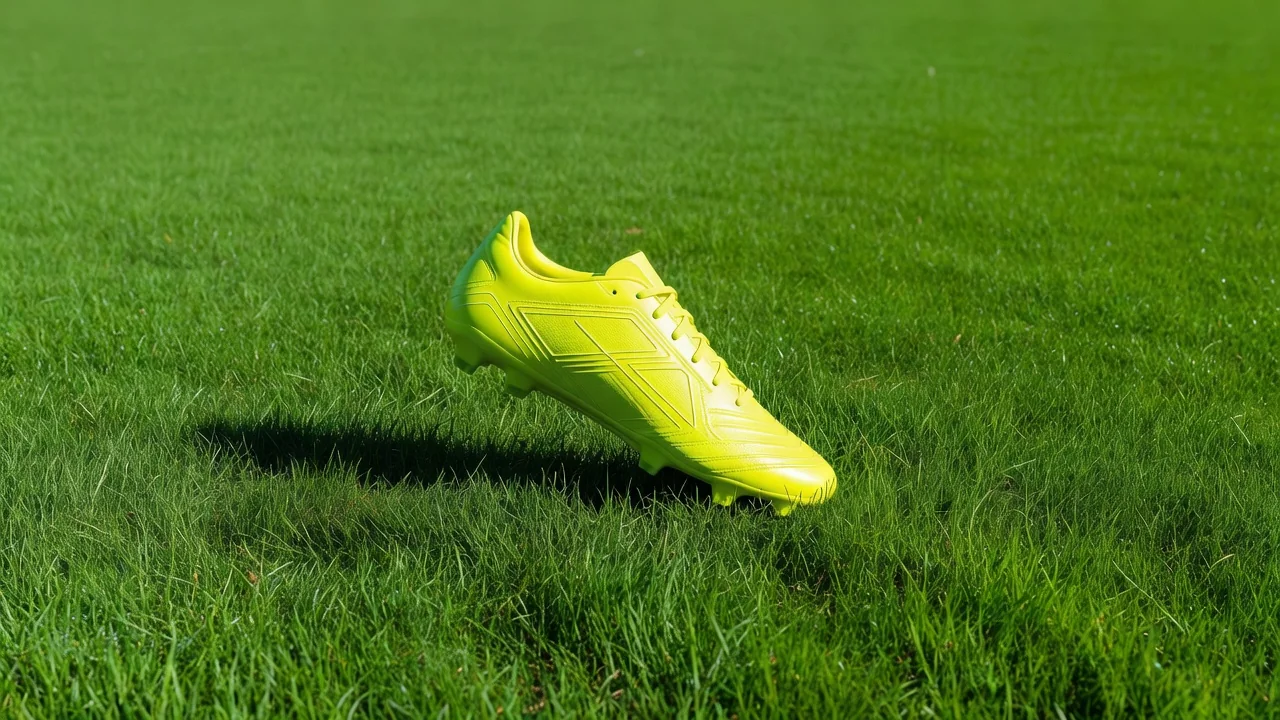
Walk into any boot room and the shelf splits into tribes. On one side, impossibly light speed boots in volt yellow. On the other, padded control boots promising a velvet first touch. Between them sits the leather heritage class that your coach's coach wore. The class labels are marketing inventions, but the engineering differences underneath them are real — and understanding what actually changes between a speed boot and a control boot is worth more than any review score.
Strip away the colourways and three variables do all the work: weight, upper construction, and the shape of the fit. Everything else is decoration.
Speed boots: engineering for the sprint
The speed class — the Mercurial-style lineage is the archetype — exists to minimise two things: grams, and the sensation of anything between foot and ball. Uppers are thin single-layer synthetics or microfibre knits, often under a millimetre thick in the strike area. Soleplates are stiff and responsive, tuned to snap back on toe-off. The fit runs narrow and close, because internal slip wastes acceleration.
What you gain is a genuine sensation of lightness — top-end speed boots sit around 190 to 210 grams in a men's size 8, roughly a third lighter than a padded leather boot — and a barefoot touch that skilled dribblers love. What you surrender is protection (a stud across the top of the foot in a thin speed boot is felt for a week), structure for players who want support, and forgiveness for wide or high-volume feet.
Control boots: touch over grams
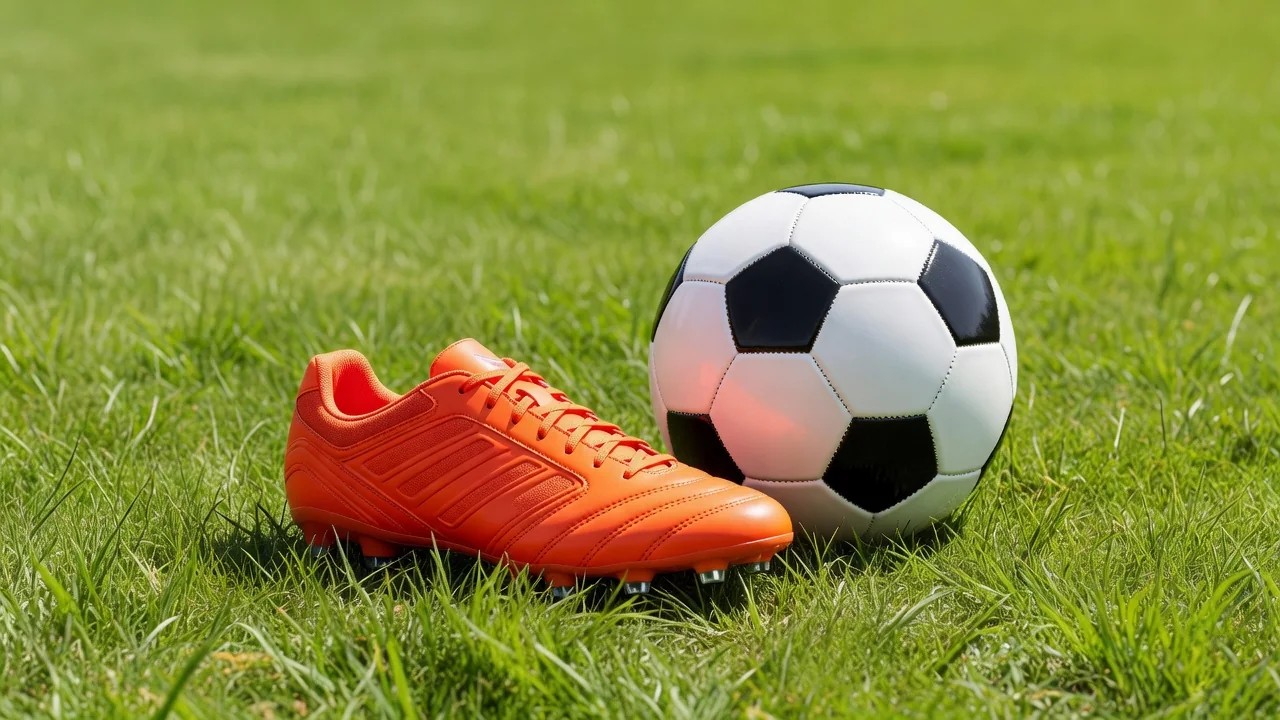
The control class — think the Predator or Phantom lines — accepts twenty to forty extra grams and spends them on the upper: textured strike zones, foam-backed touch pods, and a more structured wrap through the midfoot. The design goal is not speed but repeatability: the hundredth pass of the match should feel like the first. Grip elements on the instep add a fraction of friction on the ball, which shows up most in damp conditions where a slick speed upper can feel like striking a bar of soap.
The fit also changes character. Control boots are cut slightly roomier and padded through the collar, which is why they dominate midfields: a player covering nine or ten kilometres a game values comfort over the final gram. The trade runs the other way too — all that structure takes a session or two to break in, and the boot never quite disappears on the foot the way a speed boot does.
The three classes, measured
| Property | Speed class | Control class | Heritage leather |
|---|---|---|---|
| Design goal | Minimum weight, barefoot feel | Repeatable touch and strike | Comfort, moulded fit, longevity |
| Upper | Thin synthetic or knit | Textured, foam-backed knit/synthetic | Full leather or leather forefoot |
| Touch character | Direct, raw, close to barefoot | Cushioned, grippy in the wet | Soft, padded, classic |
| Fit | Narrow, pointed, lockdown | Medium wrap, padded collar | Roomy, adapts to foot shape |
| Durability | Lowest — thin materials wear fast | Medium | Highest with basic care |
| Suits | Sprinters, dribblers, light feet | Midfielders, passers, all-rounders | Traditionalists, wide feet, defenders |
So which class are you?
The honest filter is your highlight reel. If your best moments are sprints past a defender, the speed class amplifies what you already do. If your game is tempo — receiving on the half-turn, striking forty-yard passes — the control class's textured upper earns its keep every single match. And if you have ever finished a season with boots that still looked new while team-mates replaced theirs twice, the leather class will pay for itself in durability alone.
What you should not do is buy the class of your favourite player. Professionals wear what sponsors pay them to wear, in versions custom-lasted to their feet. Your decision is simpler and better: match the class to your game, then check the fit, then — and only then — pick the colour.
Related reviews
How to Choose Football Boots for Your Position
Wingers, pivots and centre-backs stress a boot in different ways. How position, playing style and workload should steer the pair you buy.
2026-09-01
Firm Ground vs Soft Ground Boots: Which Soleplate to Buy
FG, SG, AG and MG are not marketing letters — they are stud geometry for specific surfaces. How to match the soleplate to the pitch you actually play on.
2026-08-29
Football Boots for Wide Feet: The Classes That Fit
Wide-footed players squeeze into narrow speed boots and pay for it in blisters. Which boot classes run wide, and how to test the fit at home.
2026-08-24