
Firm Ground vs Soft Ground Boots: Which Soleplate to Buy
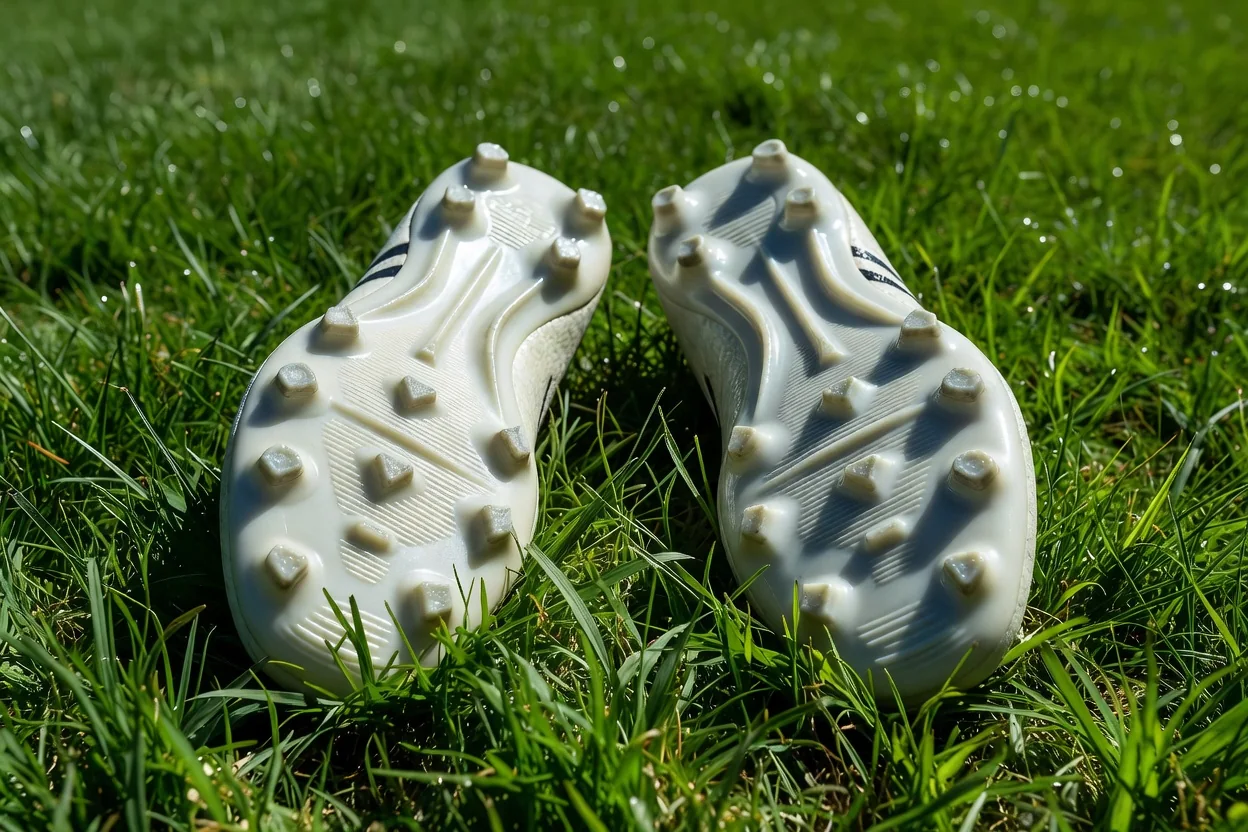
The letters on the box — FG, SG, AG, MG — look like trim levels on a car. They are not. They describe stud geometry engineered for a specific surface, and wearing the wrong one ranges from embarrassing (skating across a wet pitch in firm-ground studs) to genuinely dangerous (long soft-ground studs locked into artificial turf, twisting a knee that was never asked to rotate). This is the least glamorous decision in boot buying and the one with the biggest consequences.
The good news: the choice is made by the pitch you play on most weekends, not by budget or brand. Once you know your surface, the soleplate picks itself.
Firm ground: the default that almost everyone needs
Firm ground (FG) plates carry moulded studs — conical, bladed or a mix — designed for natural grass that is dry to slightly soft. That description covers the huge majority of pitches from April to October in most of Europe, and year-round in drier climates. Conical studs rotate more freely under the foot and release from the ground cleanly; bladed studs grip harder in a straight line but resist twisting, which is why many modern FG plates mix the two: blades under the forefoot for acceleration, conicals under the heel for pivoting.
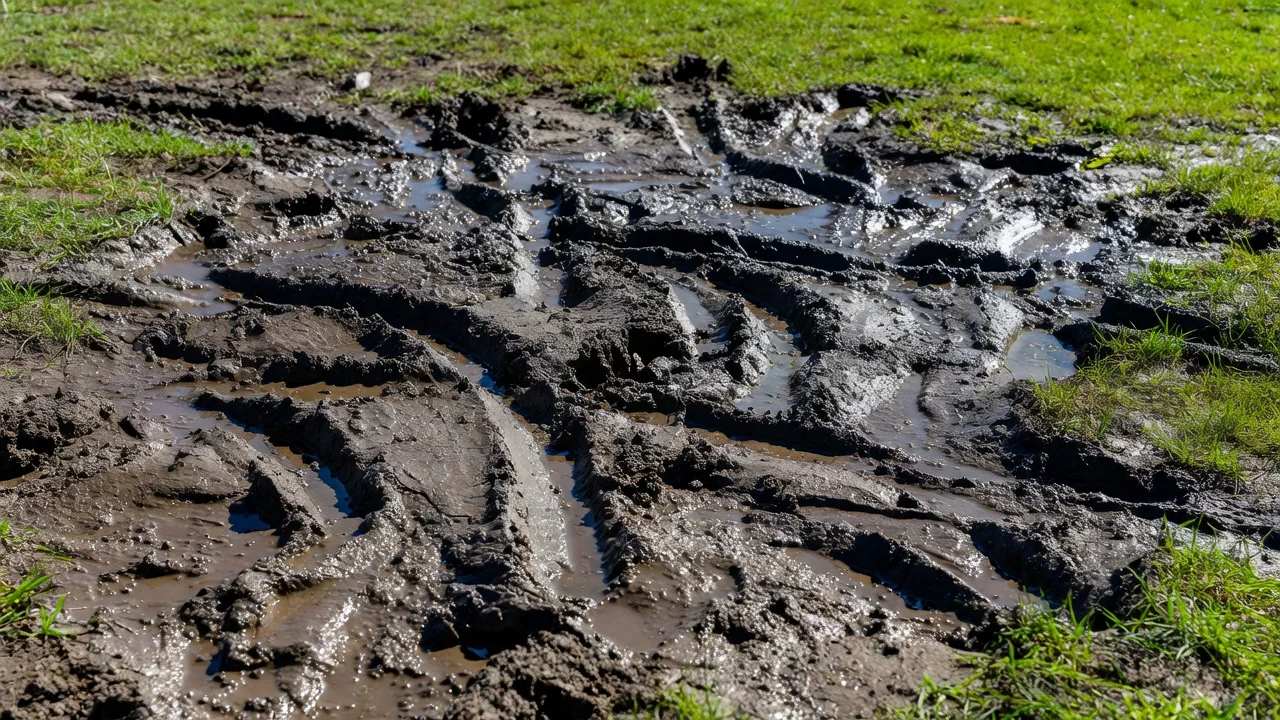
FG is the plate the industry is built around, so every class and every price point offers it. The mistake is treating it as universal. On a saturated November pitch, FG studs are too short to reach through the mud to anything firm, and the player effectively plays on a layer of grease. On bone-dry artificial turf, they are too long and too aggressive — which brings us to the plates people skip.
Soft ground and artificial grass: the specialists
Soft ground (SG) boots swap moulded studs for a smaller number of longer, often removable metal-tipped studs — the classic configuration is six. Length is the whole point: the stud punches through the slop to find the stable layer beneath. SG is the correct tool for genuinely wet, heavy natural grass, and roughly the wrong tool for everything else. On firm ground the long studs create pressure points under the foot; on artificial turf they are a knee injury waiting to happen, because the stud locks while the body rotates.
Artificial grass (AG) plates answer the surface that now dominates amateur football. Third-generation rubber-crumb pitches grip a stud far harder than grass does, so AG plates use more studs, shorter and usually hollow, to spread the load and release cleanly. Multi-ground (MG) plates are the compromise: one stud pattern intended to be acceptable on both firm grass and turf — acceptable being the key word, superb on neither.
- FG: dry to slightly soft natural grass — the default for most players most of the year.
- SG: wet, heavy natural grass only — winter mud, nothing else.
- AG: artificial turf of any generation — shorter, more numerous studs.
- MG: mixed schedules across grass and turf when one pair must do everything.
Soleplates side by side
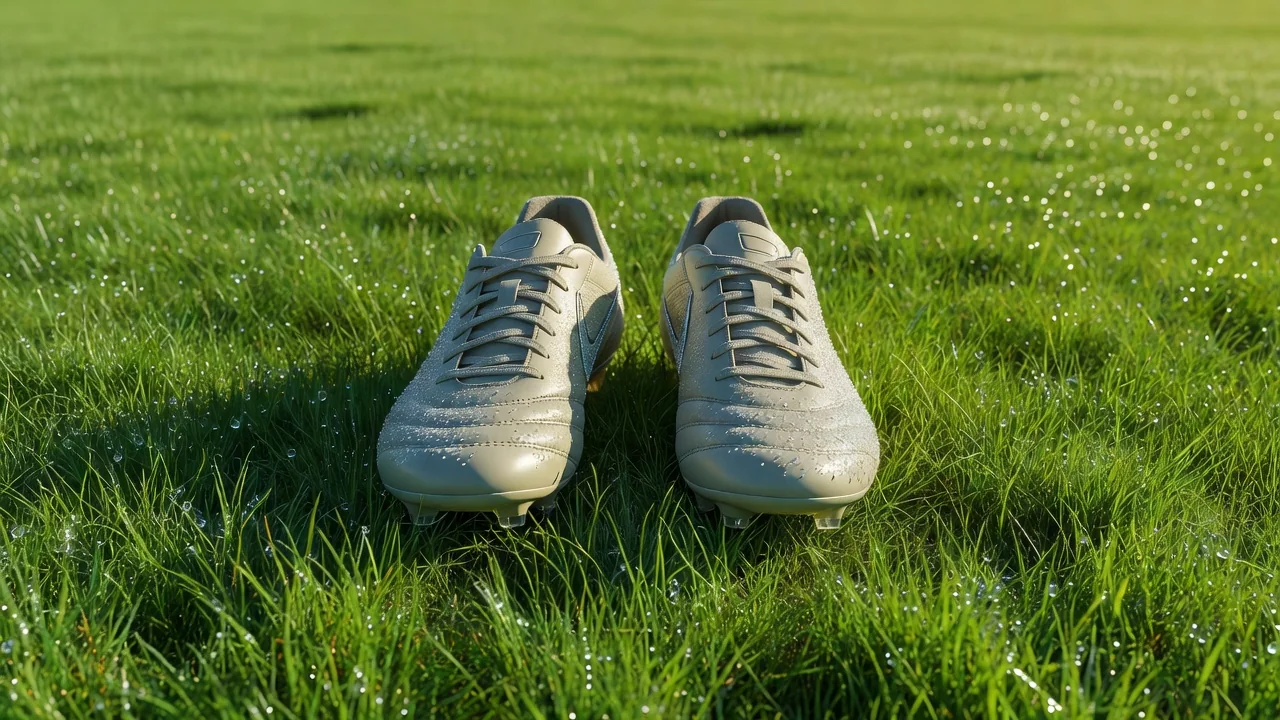
| Plate | Stud type | Surface | Risk on wrong surface |
|---|---|---|---|
| FG | Moulded, conical/bladed mix | Dry–firm natural grass | Slipping on mud; over-grip on turf |
| SG | 6 long, often metal-tipped | Wet, heavy natural grass | Stud lock and knee torque on firm ground/turf |
| AG | Many short hollow studs | Artificial turf (3G/4G) | Weak penetration on soft grass |
| MG | Hybrid moulded pattern | Grass + turf mix | Compromise grip on both |
| TF/IC | Rubber nubs / flat | Astro carpet, indoor, street | No grip on any grass |
Two pairs, or one honest compromise
The uncomfortable truth for the one-pair buyer: if your season spans August sun and February mud on natural grass, no single plate is right all year. The players who solve this cheaply own one FG pair and add a second-hand SG pair for the three wettest months — winter SG boots see so little use that used pairs are often barely worn. If your club trains on 3G and plays on grass, an AG pair for training alone will outlast any FG pair asked to do both, because turf abrades moulded studs down to nothing in a single season.
Check your league's rules before buying metal-tipped SG studs: most amateur competitions allow them provided the tips are rounded and secure, but referees can and do inspect boots before kick-off, and a loose stud means a substitution.
Related reviews
How to Choose Football Boots for Your Position
Wingers, pivots and centre-backs stress a boot in different ways. How position, playing style and workload should steer the pair you buy.
2026-09-01
Football Boots for Wide Feet: The Classes That Fit
Wide-footed players squeeze into narrow speed boots and pay for it in blisters. Which boot classes run wide, and how to test the fit at home.
2026-08-24
Speed Boots vs Control Boots: What the Classes Mean
Speed, control and heritage are the three big boot classes. What actually changes between them — weight, upper, touch — and who each class suits.
2026-08-18