
How Modern Kit Fabrics Keep Players Cool
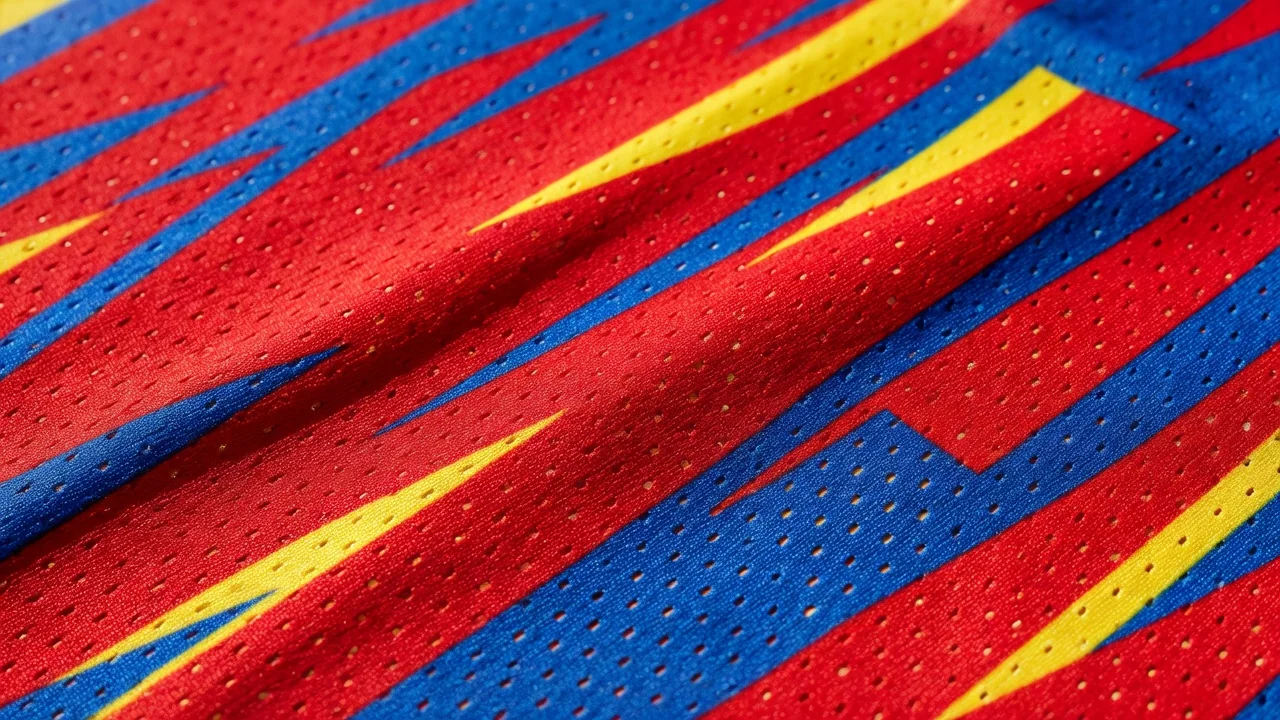
A footballer runs ten kilometres in ninety minutes and sweats roughly one to two litres doing it. The shirt has to move that moisture away from skin, dump heat, weigh nothing when wet, and survive being grabbed by a centre-back for two seasons. That a modern kit manages most of this is not an accident of "breathable material" — it is the product of specific fabric engineering that you can read, quite literally, in the weave of the shirt you are holding. Here is what the labels and the marketing terms actually mean.
Polyester, and why cotton lost
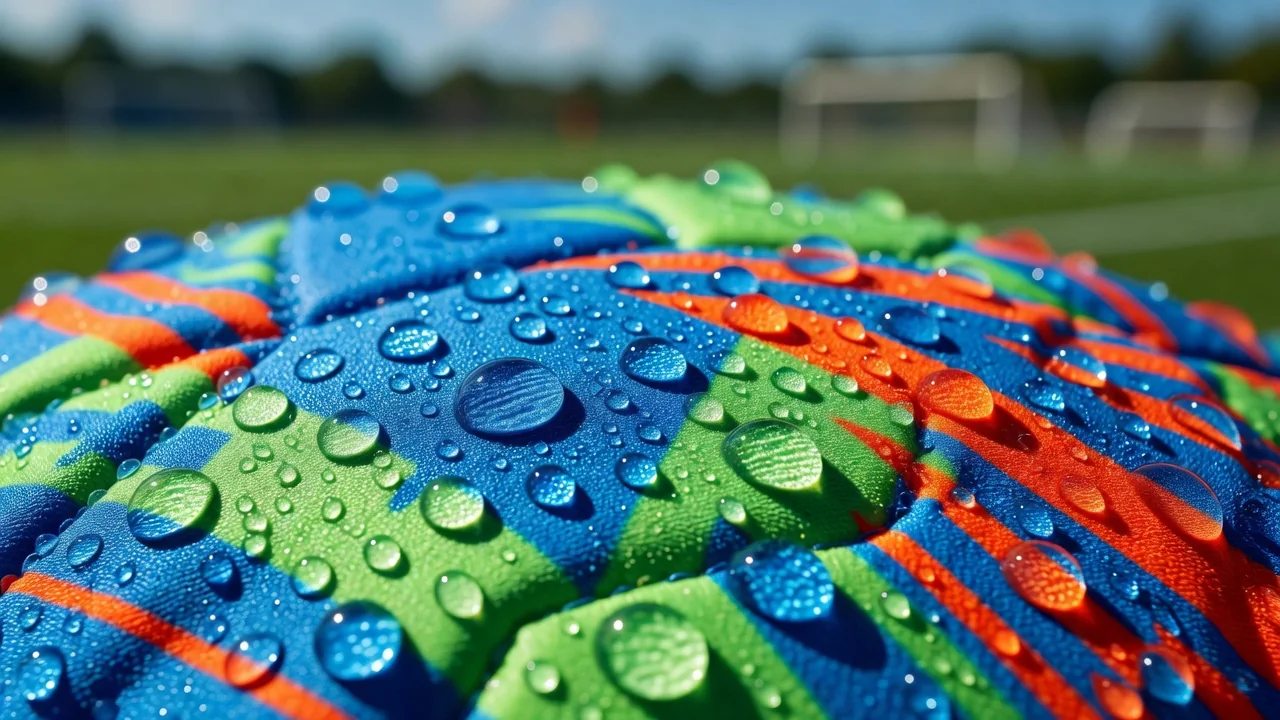
Every modern match shirt is polyester, and the reason is absorption physics. Cotton fibre is hydrophilic: it absorbs water into the fibre itself, up to a quarter of its weight, and holds it there — which is why a cotton T-shirt ends a run heavy, cold and clingy. Polyester is hydrophobic: the fibre absorbs almost nothing, so sweat stays on the fabric surface where it can spread and evaporate. This is the entire basis of "moisture wicking": not magic, just a fibre that refuses to drink.
The modern twist is sustainability. Most major kit launches since the early 2020s are built from recycled polyester — melted-down plastic bottles respun into yarn — with brands advertising figures around a dozen bottles per shirt. Performance-wise the recycled fibre is indistinguishable from virgin polyester; the gain is environmental, and it is one of the few marketing claims in kit launches that is both true and verifiable.
Engineered zones: the shirt as a map of sweat
Pick up a top-tier authentic shirt and hold it to the light. You will see that the fabric is not uniform: denser under the arms and down the spine, more open across the chest and back. This is sweat mapping. Manufacturers instrument players in training, log where heat and moisture actually concentrate — underarms, lower back, between the shoulder blades — and knit or bond extra ventilation exactly there. Jacquard knitting lets a single piece of fabric carry several structures with no seams between them: tight where the shirt needs shape, open mesh where it needs to breathe.
The seam story matters almost as much. Traditional overlocked seams create a raised ridge that chafes over ninety minutes of arm-swinging; premium shirts move to flatlock or bonded (glued and heat-taped) seams that sit flush. If a shirt has ever left a red line along your shoulder after a match, you have met a cheap seam.
- Hydrophobic polyester moves sweat to the surface instead of storing it.
- Mesh jacquard zones open ventilation exactly where players sweat most.
- Bonded and flatlock seams remove the ridges that cause chafing.
- Recycled yarns now match virgin polyester on every performance metric.
The fabric technology decoded
| Term on the tag | What it physically is | What you feel |
|---|---|---|
| Moisture wicking | Hydrophobic fibre + surface spreading | Sweat evaporates, shirt stays light |
| Mesh zones / engineered knit | Open jacquard structures at sweat points | Cool stripes across back and underarms |
| Bonded seams | Glued and heat-taped joints, no stitching ridge | No chafe lines after ninety minutes |
| Recycled polyester | Yarn respun from PET bottles | Nothing — identical performance |
| Four-way stretch | Elastane blended into the knit | Shirt moves with shoulders and hips |
What it means when you buy
The gap between fabric tiers is real but laddered. Replica shirts carry the wicking fibre without the mapped zones — perfectly adequate for the stands and for Sunday league. Authentic shirts add the engineered knit and bonded seams, and you feel the difference precisely when it matters: the final twenty minutes, in heat, when a standard shirt is a wet rag and a mapped shirt is still moving air. Care closes the loop: fabric softener coats the fibres and kills wicking, and tumble dryers cook the elastane — wash cold, dry on a line, and the engineering keeps working for years.
Related reviews
Replica vs Authentic Shirts: The Real Differences
Same badge, two different garments. Fit, fabric, heat-applied details and durability — what the authentic version really adds for the extra money.
2026-08-31
Kit Design Trends Defining the 2026/27 Season
Retro collars, tonal crests, sash revivals and bolder third kits. The design currents running through this season’s launches across the big leagues.
2026-08-20
Home, Away, Third: Why Clubs Need Three Kits
Colour clashes, broadcast contrast rules and a retail calendar. Why the modern club launches three shirts a season and what each one is for.
2026-08-15