
Home, Away, Third: Why Clubs Need Three Kits
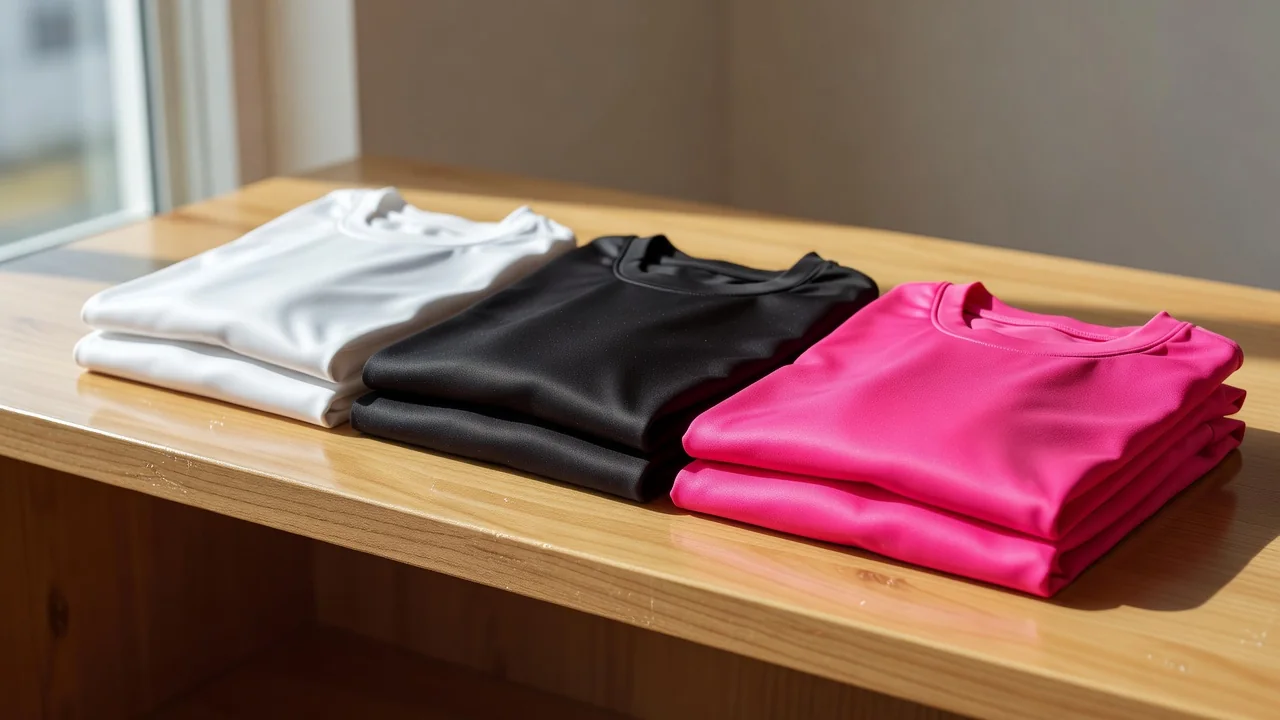
Once, a football club owned two shirts: one for home, one for when the other lot wore the same colour. Today a top-flight club launches three outfield kits a season plus a goalkeeper set, and the third shirt — a garment with no sporting reason to exist at all — has become the loudest launch of the summer. How did the spare shirt become a star? The answer is a knot of colour-clash rules, television physics and retail mathematics, and it explains half of what you see in the club shop.
The away kit exists because of a rulebook
Start with the law. The Laws of the Game require the two teams to wear colours that distinguish them clearly — from each other, and from the match officials. For a century that produced a simple protocol: if the away club's colours clashed with the home club's, the away club changed. What "clash" means has tightened over time. Where referees once judged by eye, leagues now run formal kit-registration systems: clubs submit strips before the season, and the league's matchday staff simulate every pairing to flag clashes in advance, including shorts and socks, which count as part of the strip.
Television added a second layer. A pairing can pass the naked-eye test yet fail on screen, where similar tones merge under floodlights — dark blue against black, red against orange. Modern clash assessments therefore check contrast as well as hue, and colour-blindness guidance has pushed leagues to reject pairings like red against green outright, since a meaningful share of viewers cannot separate them at all.
The third kit: born for Europe, raised by retail
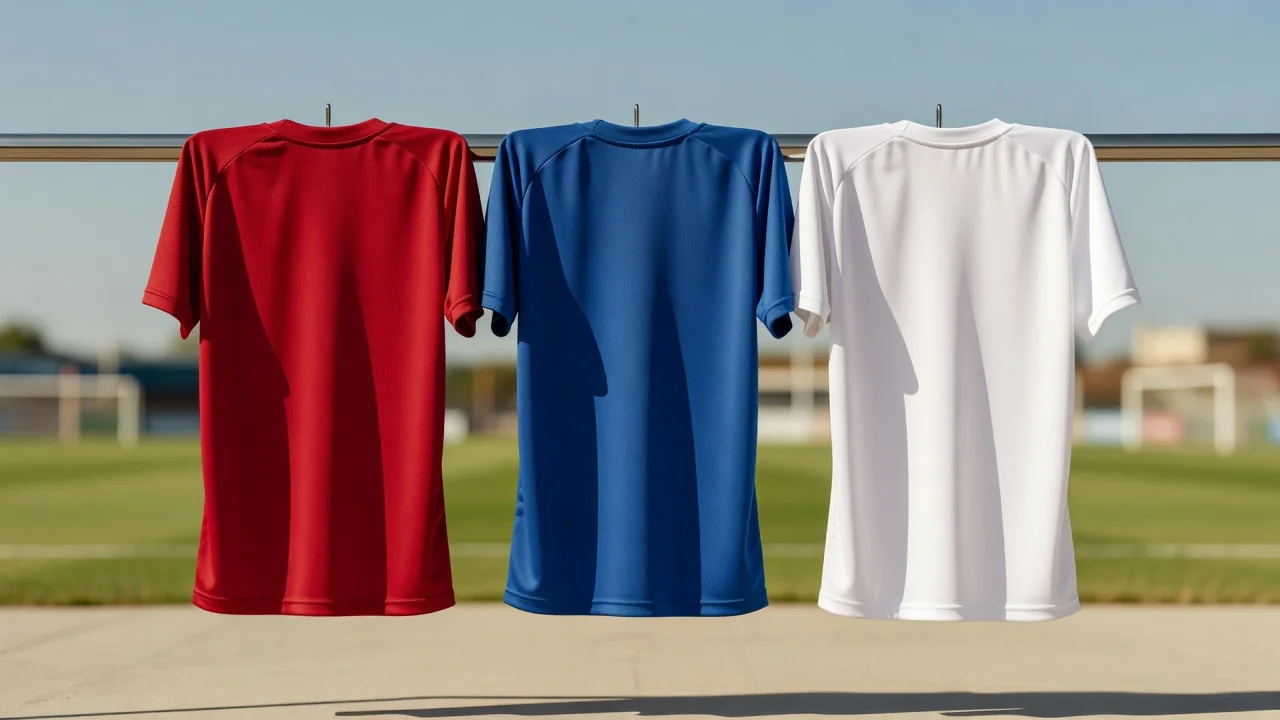
The third kit's original job was scheduling. European competition doubled the number of away trips, and with them the chance of meeting a club whose home and away strips both clashed with yours — the classic trap being a team in red visiting a club whose home is red and away is white, when your own change strip is also white. A registered third strip solved the calendar. Goalkeepers, incidentally, have always carried multiple colours for the same reason: the keeper must stand out from all twenty-one other players and the officials.
Then commerce noticed something. The third kit carried no heritage obligations — nobody's grandfather wore it — so it could be anything. Clubs discovered that an experimental third shirt sold to fans who already owned home and away, and the kit calendar reorganised itself around three launch moments instead of two. The sporting justification is now almost ceremonial: third kits see a handful of competitive minutes per season, sometimes none, while outselling the away shirt at many big clubs.
- Home kit: identity — the colours registered as the club's first choice, worn whenever possible.
- Away kit: compliance — designed around the most common clashes on the fixture list.
- Third kit: insurance plus expression — solves rare double-clashes, carries the boldest design.
- Goalkeeper kits: separate registration, must contrast with every outfield strip and the officials.
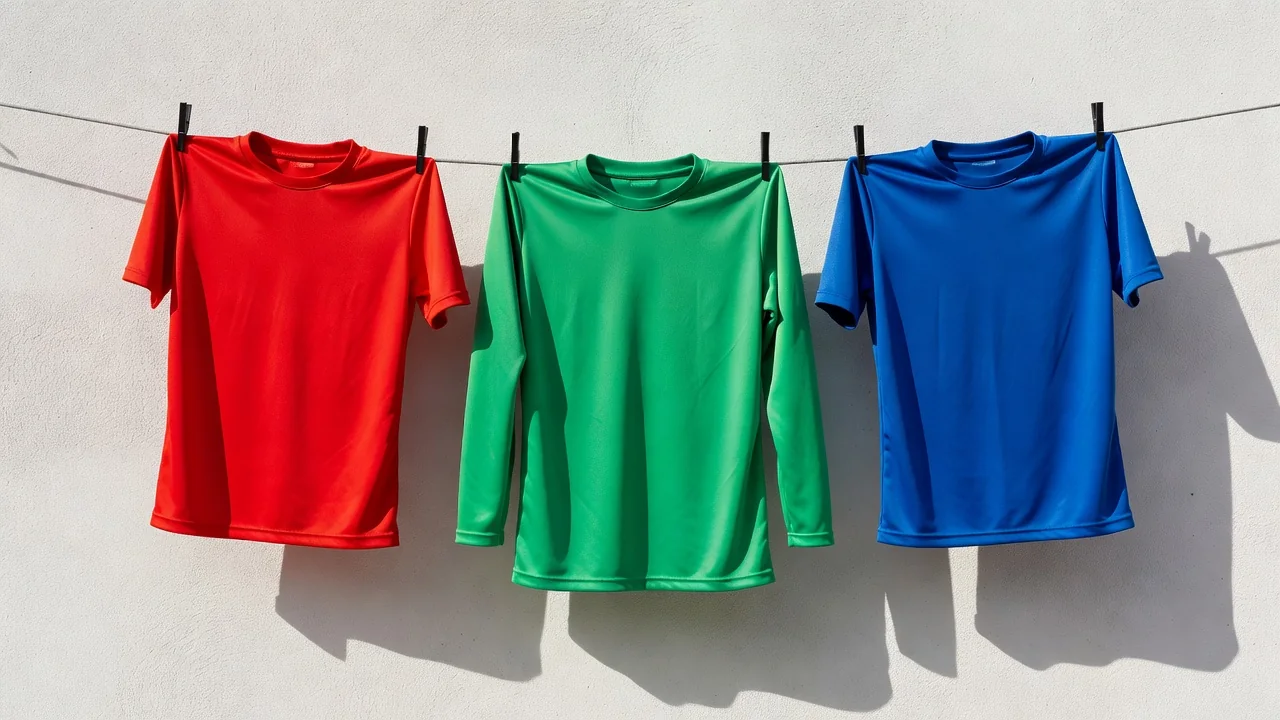
Three shirts, three jobs
| Kit | Sporting purpose | Design freedom | Typical launch slot |
|---|---|---|---|
| Home | Default strip, worn most matches | Low — heritage colours fixed | May–June |
| Away | Solves clashes on the road | Medium — nods to club history | July |
| Third | Rare double-clash insurance | High — the creative playground | August |
| Goalkeeper | Contrast with all 21 players + officials | Medium — template-driven | With home launch |
What it means for your wallet
None of this obliges you to buy anything, but it explains what you are buying. The home shirt is the identity purchase — the one that dates slowest and resells best. The away is often the more interesting garment at half the emotional cost. And the third is a fashion item with a crest on it: buy it because you love it, not because the team will ever need it, because statistically they won't. If a season's third shirt thrills you, that is the trend working exactly as the marketing department planned — which is fine, as long as you know it.
Related reviews
Replica vs Authentic Shirts: The Real Differences
Same badge, two different garments. Fit, fabric, heat-applied details and durability — what the authentic version really adds for the extra money.
2026-08-31
How Modern Kit Fabrics Keep Players Cool
Jacquard knits, mesh zones, recycled polyester and sweat mapping. What the fabric labels on a 2026 shirt actually mean for heat and comfort.
2026-08-26
Kit Design Trends Defining the 2026/27 Season
Retro collars, tonal crests, sash revivals and bolder third kits. The design currents running through this season’s launches across the big leagues.
2026-08-20