
Football Shirt Sizing: Slim, Regular and the Size-Up Trap
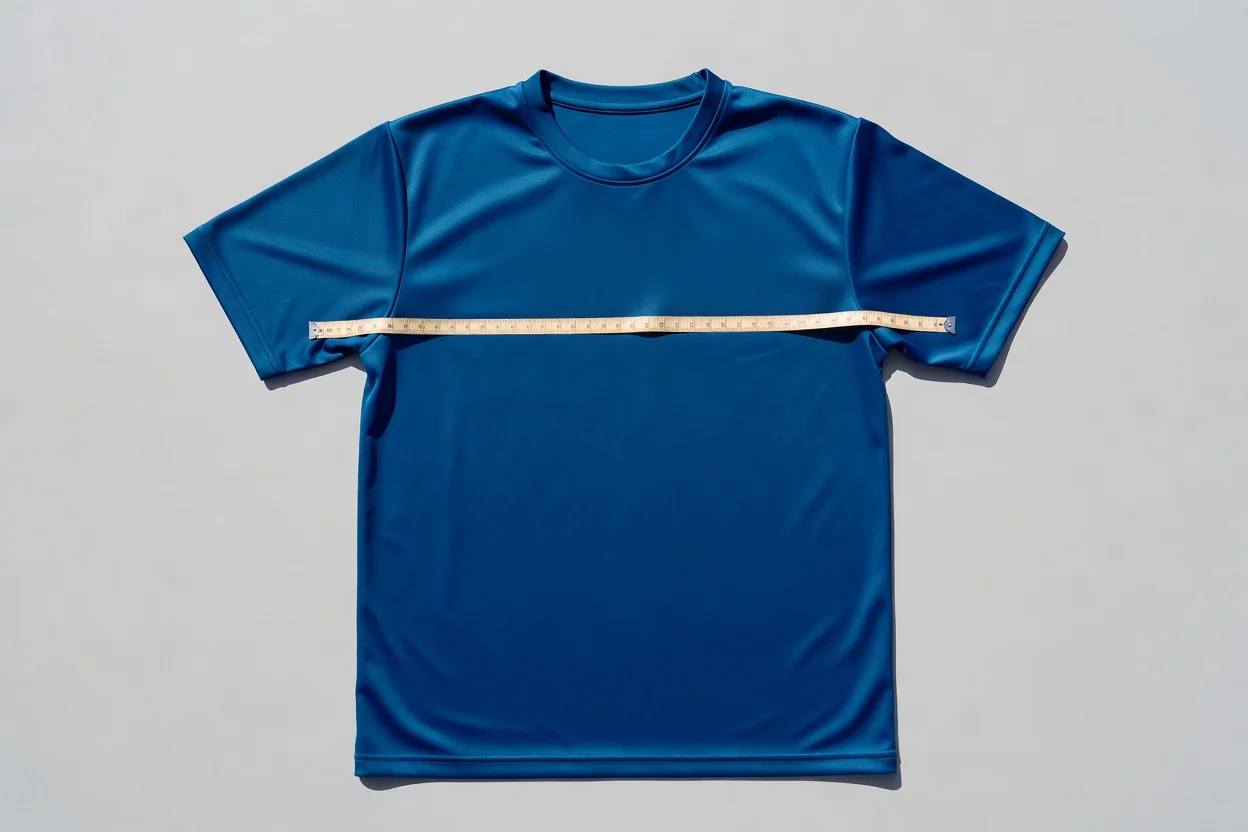
Football shirt sizing is broken in a specific way: the letter on the tag means different things depending on which version of the shirt you bought, which brand made it, and which decade the cut is flirting with. A medium authentic and a medium replica from the same club can differ by a full size on the body. Return statistics from kit retailers suggest sizing is the number one reason shirts go back — and nearly all of it is preventable with two minutes and a tape measure.
Slim versus regular: the cut inside the size
The single biggest trap is that "medium" describes a width, not a fit. Authentic (player-issue) shirts are cut on an athletic block: chest and waist taper hard, the body runs long, sleeves grip the bicep. Replica shirts use a regular block: straighter through the torso, easier across the shoulders. Same letter, different garment — a buyer who wears a medium replica comfortably will often need a large in the authentic of the same club.
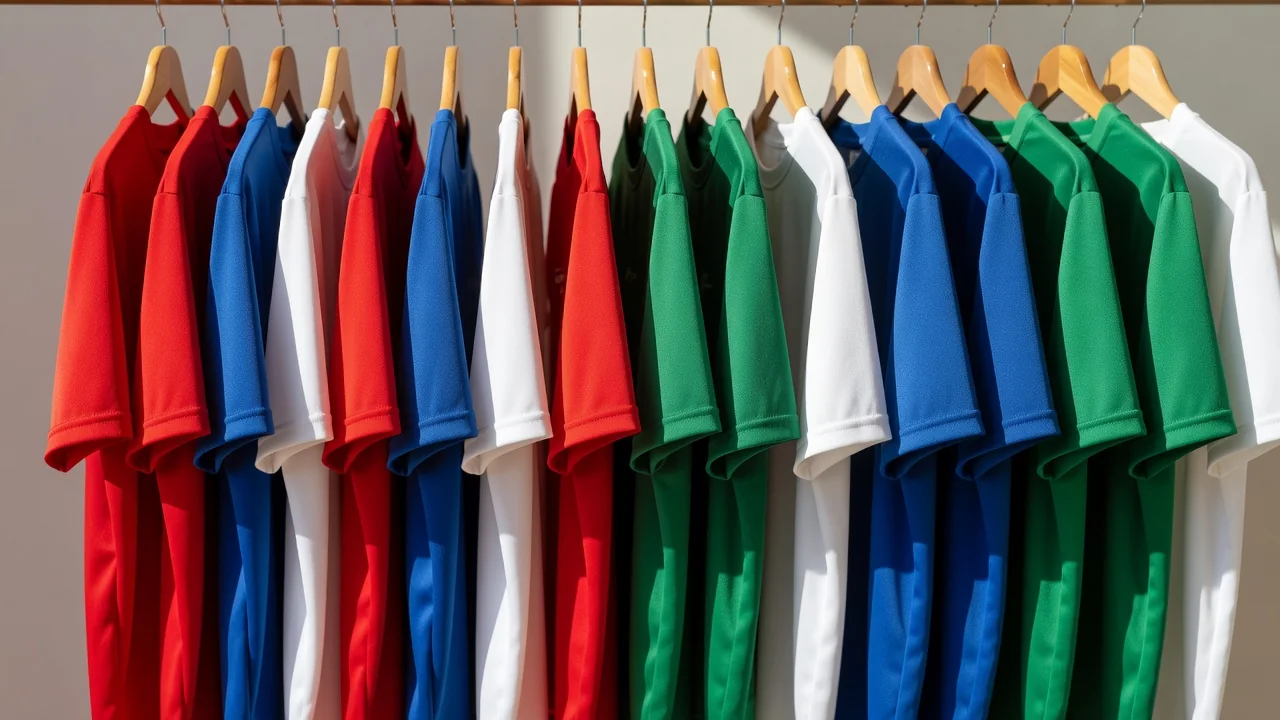
Brands add a second variation. Each manufacturer's base block differs: some run narrow and long, others short and boxy, and a few offer the same shirt in both a slim and a regular line within the replica range itself. The size charts on brand sites are accurate for the garment they describe — the problem is shoppers assume the letter transfers from their T-shirt drawer, and it does not.
The two-minute measure that ends returns
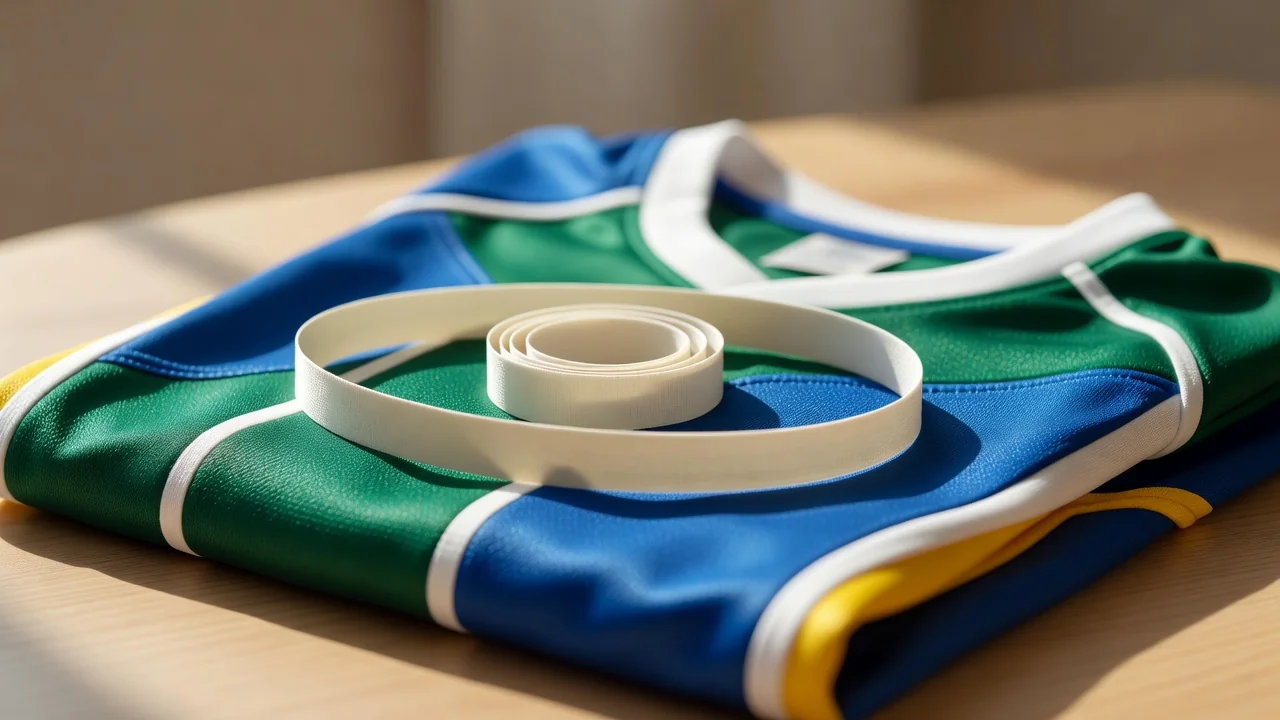
Forget letters entirely and work in centimetres. The method:
- Take your best-fitting T-shirt or jersey — not your newest, your favourite — and lay it flat.
- Measure across the chest, armpit to armpit, and double it: that is your target chest circumference.
- Measure from the top of the shoulder seam to the hem: that is your target length.
- Compare both numbers against the retailer's size chart for the specific shirt and version (authentic charts differ from replica charts on the same product page).
- Between sizes? Size up for replica if you like drape; stay true or size up in authentic, whose slim block leaves nothing to spare.
Two edge cases deserve warnings. Women's cuts are shaped, not just shrunk — a man buying "the same shirt" in a women's size for a slimmer look will hit shoulder and hip problems. And retro reissues reproduce period cuts: a 1990s-style shirt is genuinely boxy and short compared with anything modern, so the tape-measure method matters twice as much there.
What changes between versions and brands
| Scenario | What to expect | Move |
|---|---|---|
| Replica, your usual brand | Consistent with previous seasons | Buy your normal size |
| Replica, new brand | Block may run long/short or slim/boxy | Tape-measure against the chart |
| Authentic / player issue | One size slimmer than replica, longer body | Usually size up one |
| Women's cut | Shaped waist, shorter sleeves | Follow women's chart exactly |
| Retro reissue | Period cut: boxy, shorter hem | Measure; expect a different silhouette |
| Goalkeeper shirt | Roomier cut for diving and layers | True size usually works |
Shrinkage, washing and the long game
Modern polyester shirts barely shrink — the fabric is dimensionally stable — but heat-applied prints and elastane cuffs age fast in hot washes, which effectively tightens the shirt over a season of tumble drying. Cold wash and line dry keeps the fit you bought. And if you are between sizes on a shirt you plan to wear for five-a-side, take the smaller: a playing shirt should move with you, and fabric you swim in is a handful for every marker you face.
Related reviews
Replica vs Authentic Shirts: The Real Differences
Same badge, two different garments. Fit, fabric, heat-applied details and durability — what the authentic version really adds for the extra money.
2026-08-31
How Modern Kit Fabrics Keep Players Cool
Jacquard knits, mesh zones, recycled polyester and sweat mapping. What the fabric labels on a 2026 shirt actually mean for heat and comfort.
2026-08-26
Kit Design Trends Defining the 2026/27 Season
Retro collars, tonal crests, sash revivals and bolder third kits. The design currents running through this season’s launches across the big leagues.
2026-08-20