
Knit vs Leather Football Boots: Feel, Fit, Durability
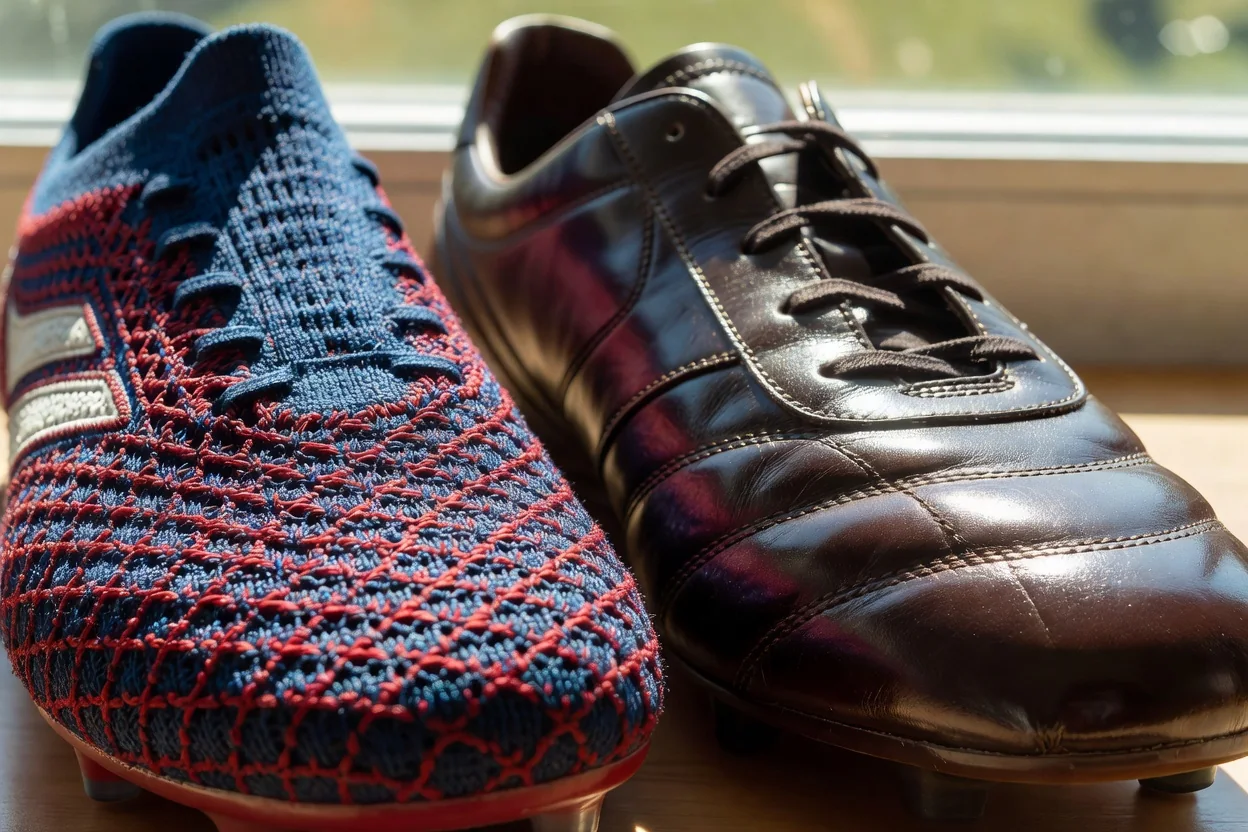
The upper is the part of the boot you actually play football with, and the industry now offers it in three materials that could not behave more differently. Knit wraps like a sock and breathes like a T-shirt. Leather moulds itself to your foot over a month and can outlive two pairs of anything else. Synthetics hold their factory shape from the first session to the last. We wore all three families through a full season of Sunday league — training twice a week, matches on everything from August dust to February soup — and the differences that matter are not the ones in the adverts.
Knit: the sock that became a boot
Knitted uppers arrived with a promise of zero break-in, and on that they deliver completely. A knit boot feels worn-in on day one because there is nothing rigid to soften: the woven yarn flexes with the foot in every direction. After a season, the strengths were breathability (feet noticeably cooler in late-summer matches) and a glove-like fit for average-width feet. The weaknesses crept up slowly. The knit relaxed over months — the snug November fit had become a sloppy March fit, compensated by laces pulled ever tighter. Water was the other lesson: knit soaks through faster than any coated material, and a saturated knit boot is heavy and cold.
Touch on the ball is excellent when dry — thin, textured, close to barefoot — but the upper offers almost no protection in tackles, and abrasion from 3G turf fuzzes the yarn at the toe within half a season.
Leather: the slow-burn champion
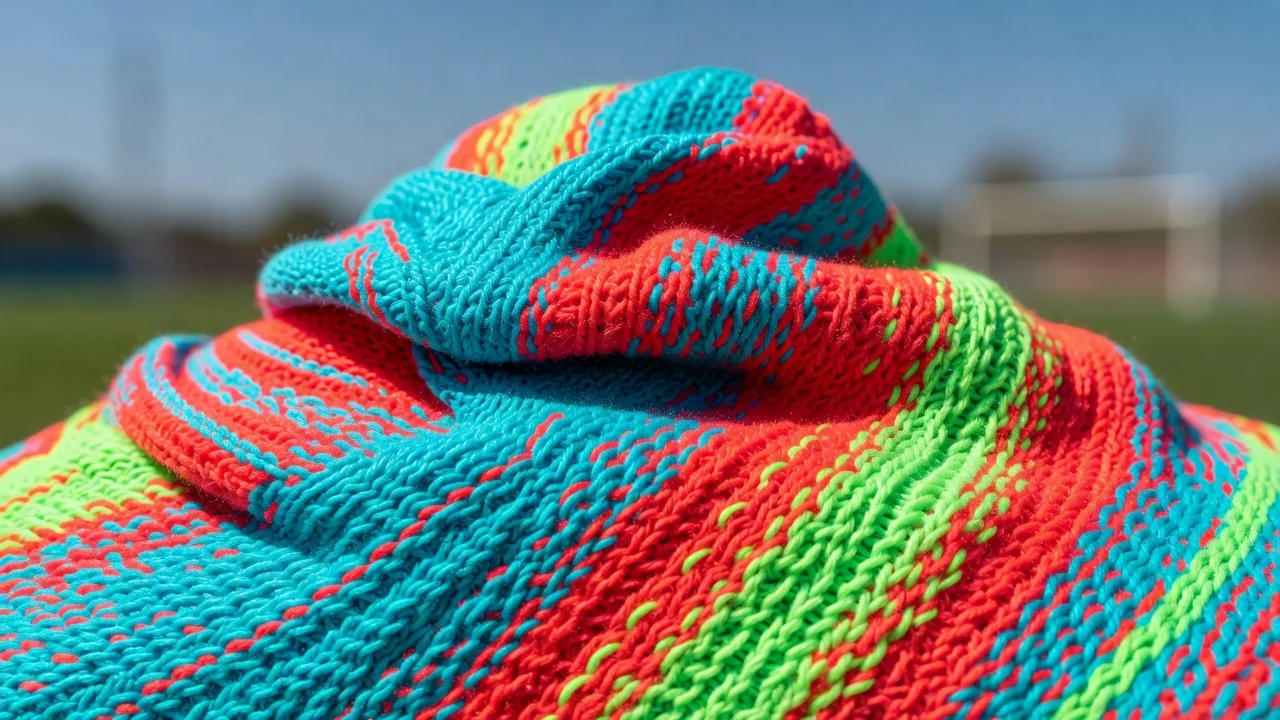
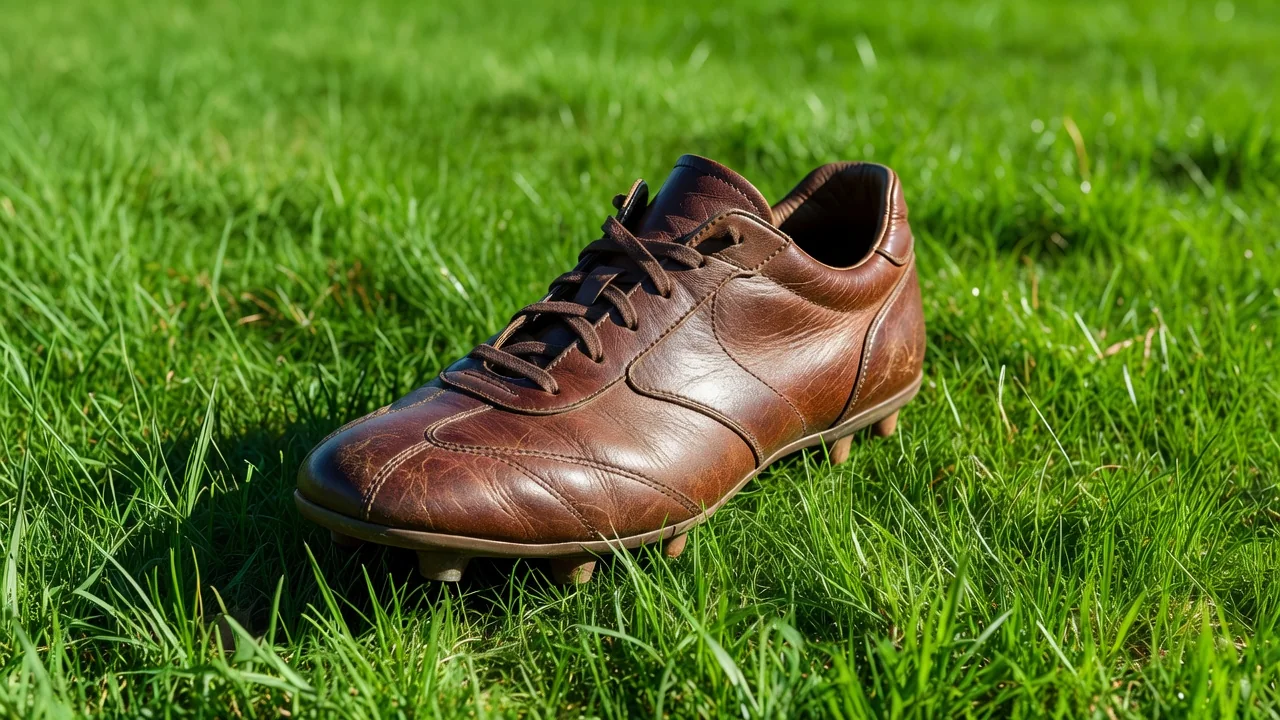
The leather boot demanded patience the other two never asked for. Out of the box it was the stiffest and the least impressive — and by week four it was the most comfortable footwear most of us owned, because the hide had taken a permanent mould of each foot. That is leather's signature trick and the reason the Copa and Tiempo classes still sell decades after synthetics "replaced" them.
Over the season, leather scored best on touch in wet weather (a treated hide sheds water instead of absorbing it), on protection in tackles, and on sheer condition after nine months: cleaned and fed after matches, the leather pair looked broken-in rather than broken. The costs are real — leather is the heaviest family, it needs basic care (neglected leather dries, cracks and drinks water), and in a summer heatwave a black leather boot is a small oven.
One season, three uppers, measured
| Property after one season | Knit | Leather | Synthetic |
|---|---|---|---|
| Break-in | None — instant comfort | 3–4 weeks to mould | 1–2 sessions |
| Fit change over season | Relaxes and loosens | Moulds closer, then stable | Unchanged |
| Wet-weather behaviour | Soaks quickly, heavy when wet | Sheds water if cared for | Repels water, slick touch |
| Durability (3G + grass) | Toe abrasion, yarn fuzz | Best, with basic care | Cracks at flex points late on |
| Touch character | Barefoot, textured | Padded, classic, confident in wet | Consistent, slightly plasticky |
| Care required | Rinse and air dry | Clean, feed, never bake-dry | Wipe and forget |
Who should wear what
Pick knit if you play mostly in dry conditions, prize a barefoot touch and accept replacing boots more often — it is the sprinter's and the futsal convert's material. Pick leather if you play through wet winters, tackle often, have awkward or wide feet, or simply want one pair to survive two seasons; the care routine is ten minutes a week. Pick synthetic if you want zero maintenance and predictable fit, or you play on abrasive 3G where a coated upper shrugs off what shreds knit.
One warning that applies to all three: whatever the upper, heat is the killer. Boots dried on a radiator or in a car boot in summer die young — knit delaminates, leather cracks, synthetic glues let go. Air and newspaper, always.
Related reviews
How to Choose Football Boots for Your Position
Wingers, pivots and centre-backs stress a boot in different ways. How position, playing style and workload should steer the pair you buy.
2026-09-01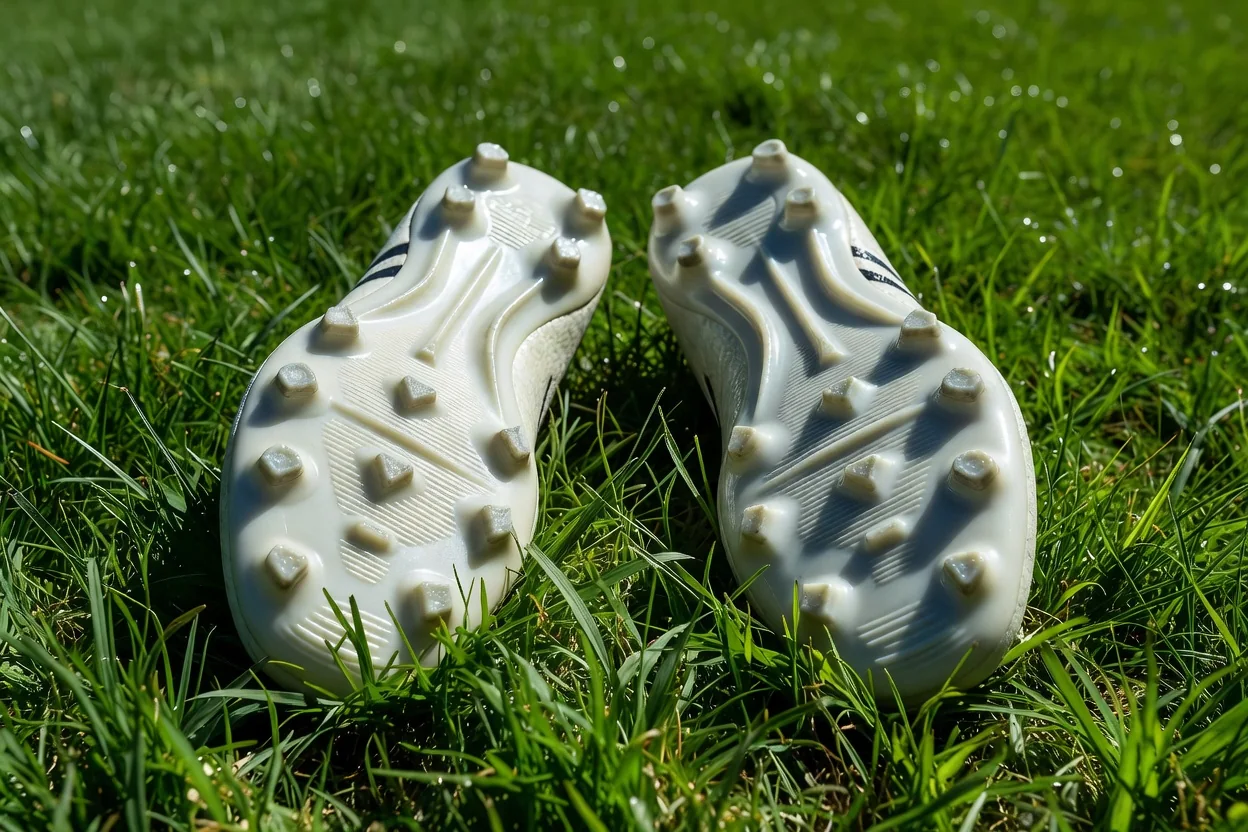
Firm Ground vs Soft Ground Boots: Which Soleplate to Buy
FG, SG, AG and MG are not marketing letters — they are stud geometry for specific surfaces. How to match the soleplate to the pitch you actually play on.
2026-08-29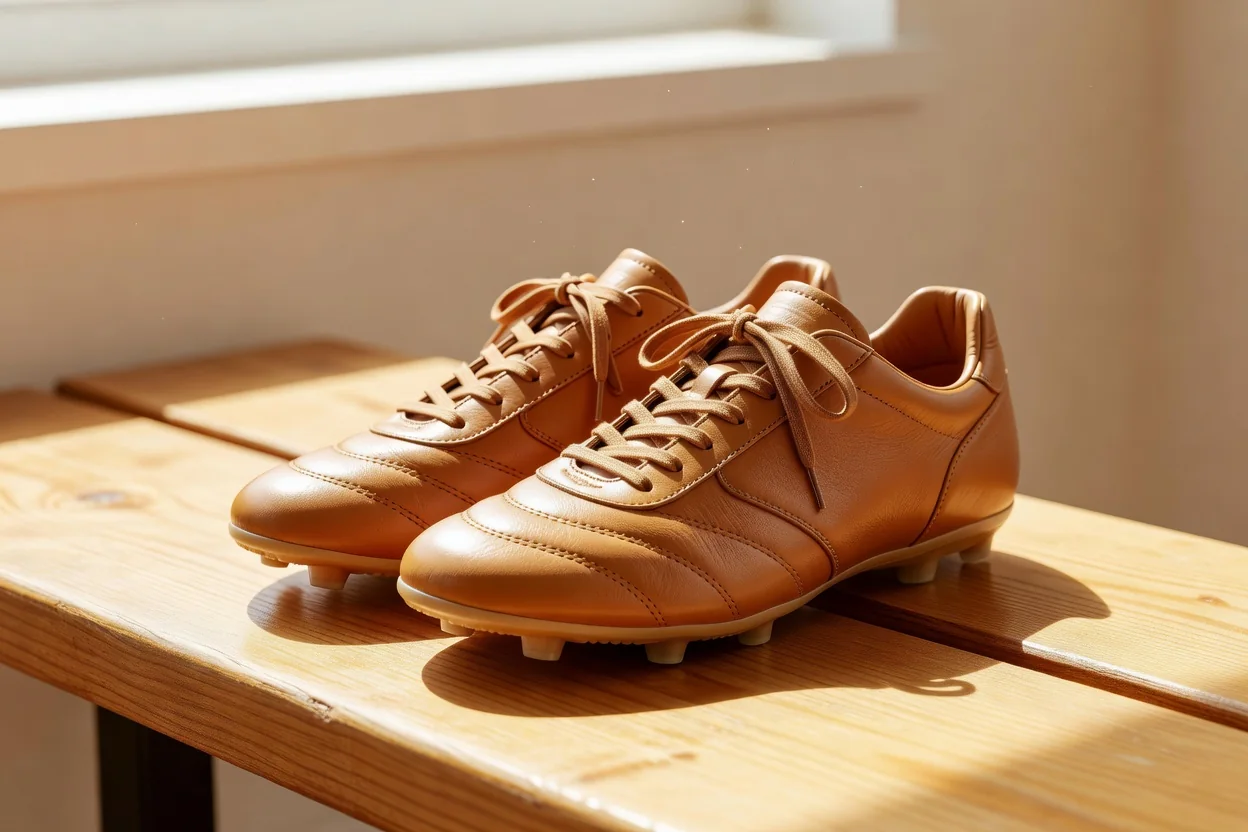
Football Boots for Wide Feet: The Classes That Fit
Wide-footed players squeeze into narrow speed boots and pay for it in blisters. Which boot classes run wide, and how to test the fit at home.
2026-08-24