
When to Replace Your Football Boots: The Honest Signs
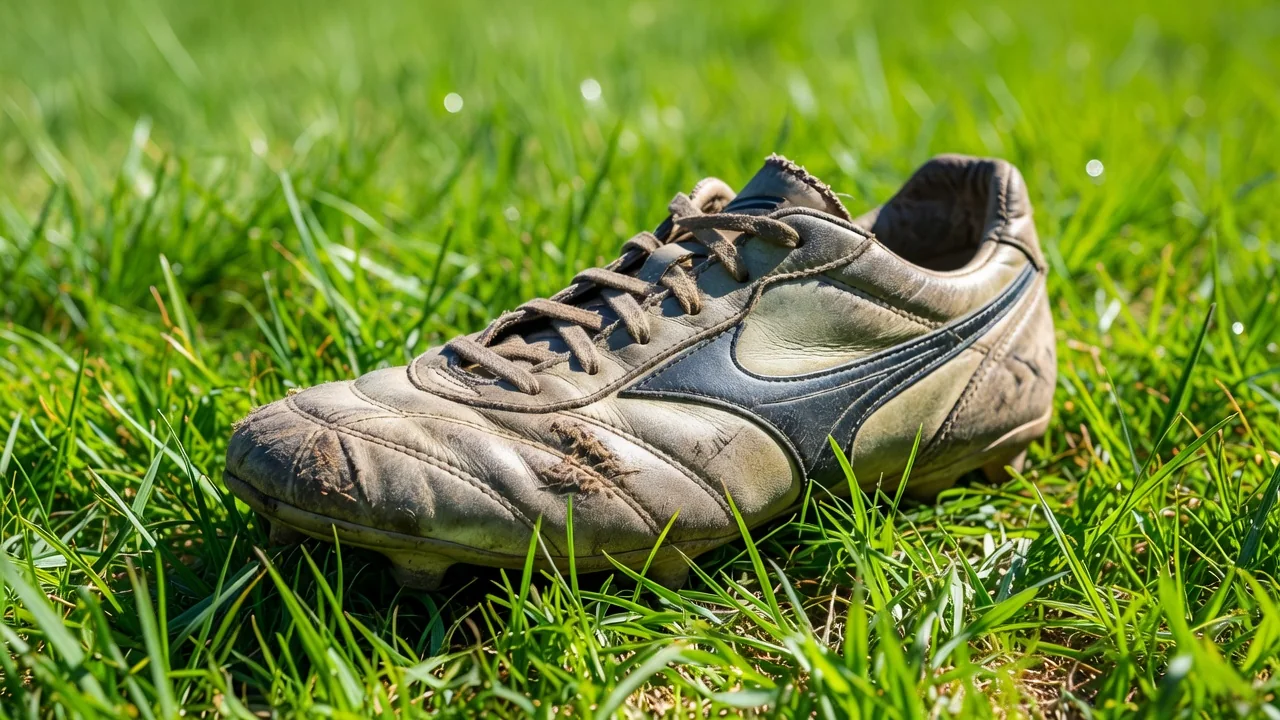
Football boots do not come with an expiry date, so most players wear them until something visibly falls off — and then wonder why their feet hurt. The truth is that a boot can look presentable and be functionally dead: studs worn to slippers, an insole compressed to cardboard, a heel counter with the structural integrity of a paper bag. Knowing the honest signs saves your joints, your touch and sometimes your ankles. Here is what actually ends a boot's life, and what can still be repaired.
The soleplate: studs and structure
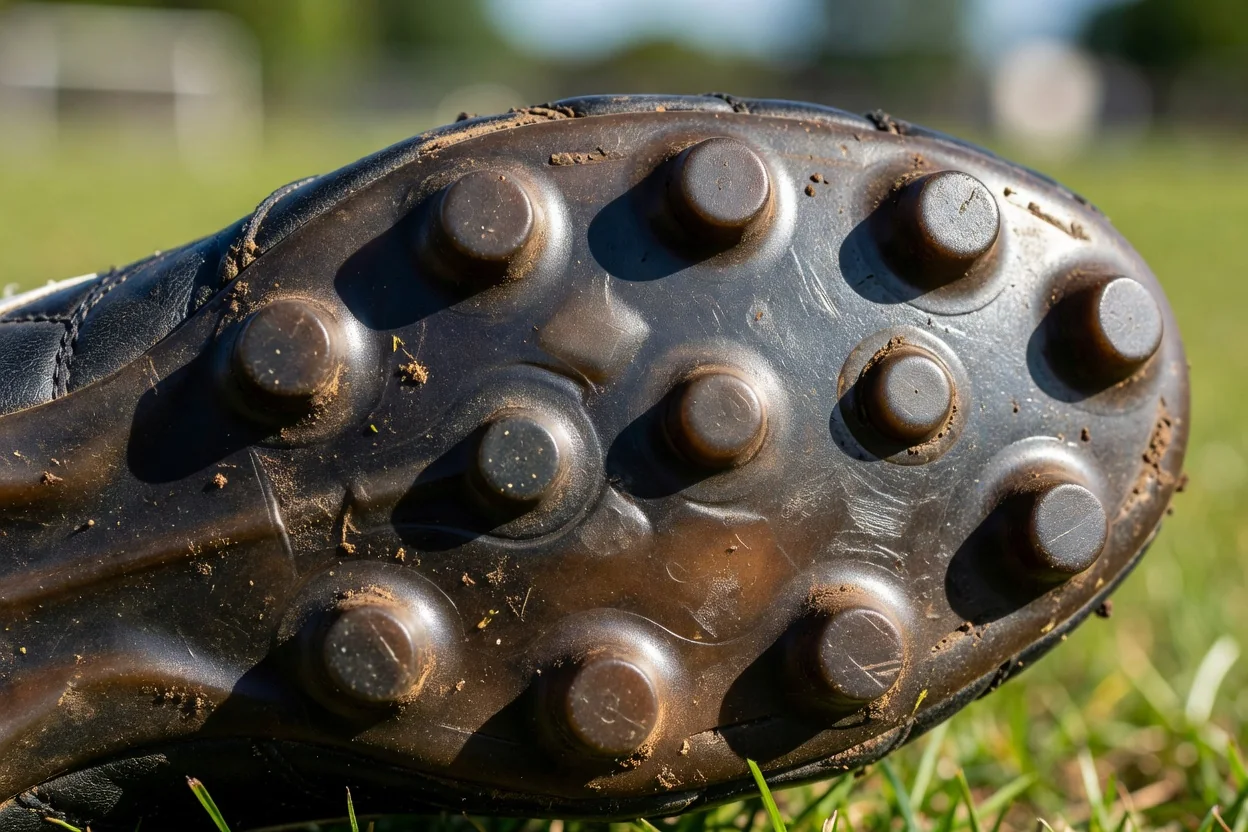
Start underneath, because traction failures are the dangerous ones. Turn the boot over and look at the studs: on firm-ground boots, conical studs should still have their shape and bladed studs their edges — studs worn smooth or ground down asymmetrically (usually the outside of the forefoot goes first) mean the boot grips unpredictably, releasing when it should hold and holding when it should release, which is how knees get hurt. Check every stud for looseness or cracking at the base, and flex the soleplate gently: a plate that bends where it should not, or shows a crack across the midfoot, is finished — soleplates cannot be repaired at home and professional re-soling rarely makes economic sense below premium boots.
The upper: splits, stretch and separation
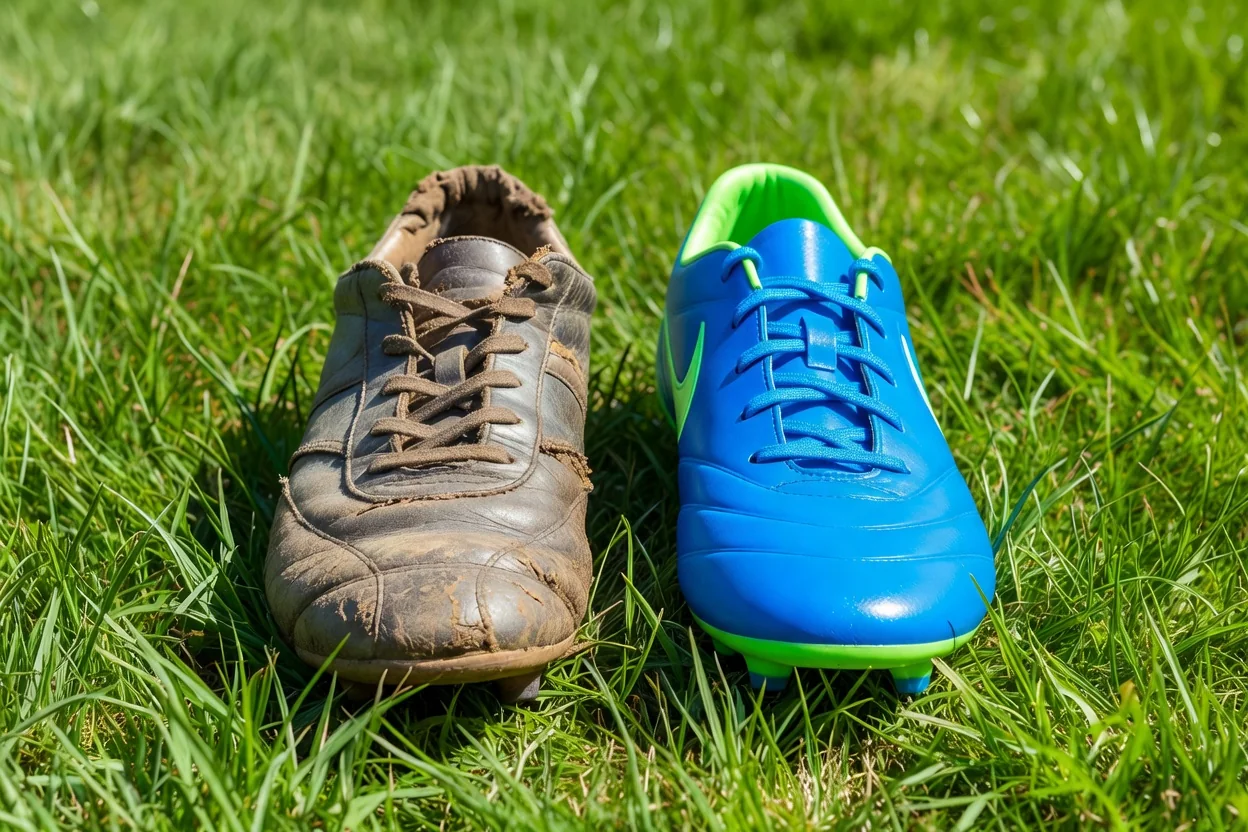
The upper dies in three ways. Stretch: leather and knit uppers gradually give, and a boot that once locked your foot now lets it swim — if re-lacing tighter no longer restores the hold, the upper has stretched past its useful life and no repair exists. Splits: check the flex point across the forefoot, where every step creases the material, and the junction where upper meets soleplate at the little-toe side — the two classic split locations. A small separation at the sole edge can be rescued with flexible shoe adhesive applied early; a split through the upper material itself is terminal. Delamination on synthetic boots — the surface layer bubbling or peeling — is likewise a one-way street.
The interior: insoles, lining, heel counter
Inside the boot, three checks. The insole: pull it out and press it — if it stays compressed like old cardboard, your cushioning is gone and your heels and knees are absorbing what the foam used to; a fresh aftermarket insole is a legitimate five-pound life extension. The heel lining: worn-through fabric at the heel causes blisters, but is also a symptom that the fit has loosened. The heel counter — the stiff cup inside the heel: squeeze it. If it folds like card instead of resisting, the boot no longer stabilises your rearfoot, and on a pitch that translates directly into rolled ankles. A dead heel counter is a retirement notice regardless of how good the upper looks.
- Studs smooth, asymmetric or cracked at the base — replace.
- Soleplate cracked or flexing mid-foot — replace, unrepairable.
- Upper stretched beyond what laces can fix — replace.
- Small sole-edge separation caught early — repairable with shoe glue.
- Dead insole — replace the insole, keep the boot.
- Heel counter that folds like card — replace immediately.
Replace vs repair at a glance
| Wear sign | Where | Verdict |
|---|---|---|
| Studs worn smooth or uneven | Soleplate | Replace — traction is safety |
| Cracked plate / mid-foot flex | Soleplate | Replace — structural |
| Stretched, sloppy fit | Upper | Replace — no fix exists |
| Split at flex point | Upper | Replace — glue is cosmetic |
| Small sole-edge separation | Join | Repair — flexible adhesive, early |
| Flat insole | Interior | Repair — new insole |
| Folding heel counter | Interior | Replace — ankle risk |
| Worn laces, lost studs (screw-in) | Consumables | Repair — cheap parts |
The honest timeline
How long should boots last? For an adult playing twice a week on grass, a well-cared-for pair survives a season to eighteen months; on 3G, cut that by a third — artificial surfaces eat studs and uppers faster than grass. Youth players outgrow boots long before they wear out, which is an argument for mid-price pairs. And the retired pair has one more use: keep it as a mud-and-flood spare in the car, because the week your new boots split is the week it pours.
Related reviews
How to Spot Fake Football Boots and Shirts
Too cheap, wrong stitching, plasticky crest, missing swing tags. The eight checks that catch counterfeit gear before the money leaves your account.
2026-08-27
Football Boot Sizing: Why Boot Size Isn’t Shoe Size
A boot should fit closer than a trainer, but not hurt. Length, width, lockdown and the thumb-width myth — how to size boots without trying them on.
2026-08-19
How to Clean Football Boots Without Ruining Them
Knock, brush, wipe, stuff, air dry. The ten-minute routine that keeps leather supple and knits fresh — and why radiators and washing machines kill boots.
2026-08-11