
How to Clean Football Boots Without Ruining Them
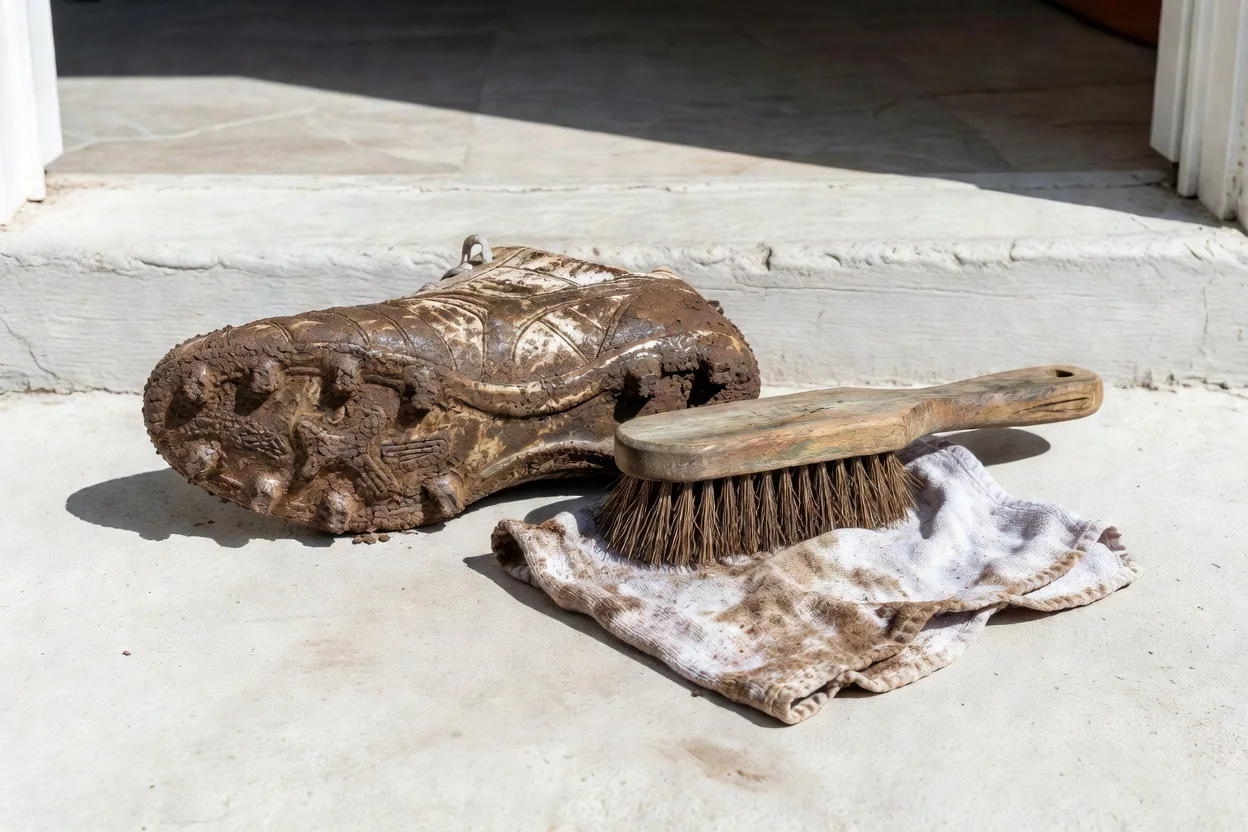
The lifespan of a pair of football boots is decided less by how you play in them than by what you do in the twenty minutes after the final whistle. Mud left to dry sucks the oils out of leather, grit grinds stitching, and a boot thrown wet into a sealed bag emerges a science experiment. The correct routine takes ten minutes, needs nothing more exotic than a brush and yesterday's newspaper, and reliably adds a season to a pair.
The ten-minute routine
Step one happens at the pitch: knock the soles together and scrape off the bulk mud before it dries — dried clay sets like concrete in the stud gaps. At home, remove the laces and insoles (they trap moisture and mud underneath), then dry-brush the whole boot — upper, soleplate, between the studs — with a stiff brush. An old washing-up brush is ideal; avoid wire brushes, which scar leather and synthetics alike. Step three: wipe with a cloth dampened in lukewarm water, wrung well out. No soaking, no running the boot under a tap — water inside the boot takes days to leave and softens the adhesives holding the soleplate. A drop of mild soap on the cloth handles genuine grime.
Drying: where boots actually die
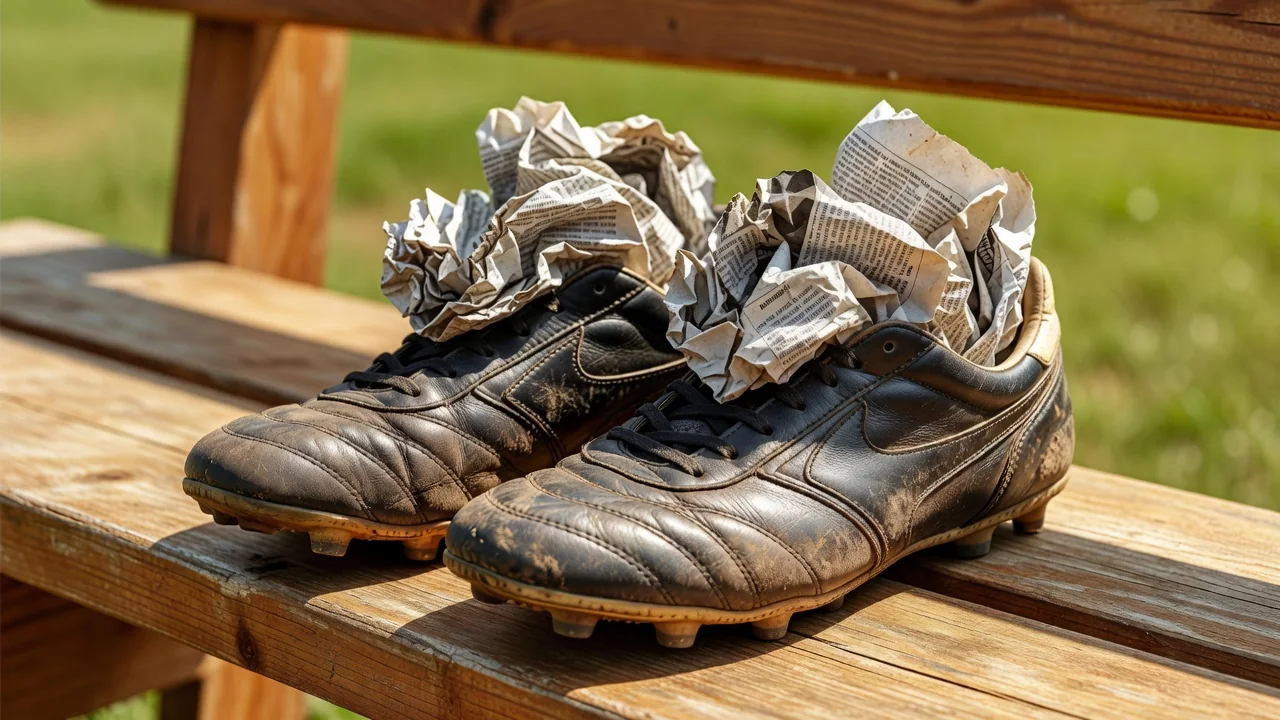
Wet boots must dry slowly and from the inside. Stuff them with crumpled newspaper (it wicks moisture out of the toe box; swap it after an hour if saturated) and leave them at room temperature in a ventilated spot. Then the commandments: never on a radiator, never by a fire, never in a tumble dryer, never in direct blazing sun for hours. Heat is the great boot killer — it cracks leather as the moisture flashes out unevenly, warps soleplates and melts the cements bonding upper to sole. Most "my boots just fell apart" stories are radiator stories. Leather boots get one extra step once fully dry: a thin coat of leather food or dubbin worked in with a cloth, which replaces the oils mud and water strip out. Synthetics and knits need nothing — do not oil them.
- Knock and scrape mud at the pitch, before it sets.
- Laces and insoles out — wash laces, air the insoles.
- Dry-brush first, damp-wipe second. Never soak.
- Stuff with newspaper, air dry at room temperature.
- No radiators, fires, dryers or hours of direct sun.
- Leather only: condition when dry, monthly in winter.
Methods compared
| Method | Effect | Verdict |
|---|---|---|
| Dry brush + damp cloth | Removes mud without soaking | The standard — always |
| Newspaper stuffing | Wicks moisture, holds shape | Every wet session |
| Leather conditioner | Replaces stripped oils | Leather boots, monthly |
| Washing machine | Delaminates soles, wrecks shape | Never, whatever the internet says |
| Radiator / direct heat | Cracks leather, melts glue | The number one boot killer |
| Soaking in a bucket | Softens adhesives, days to dry | Avoid — damp cloth instead |
Storage and the bag rule
Between sessions, boots live out of the bag. A boot bag is transport, not storage — sealed with damp mud and sweat it is a compost bin. Store boots dry, in the open or a breathable space, away from the heat sources already listed, and check the studs while you are at it: cleaning day is when you notice the loose stud or the splitting seam that is fixable now and terminal in three weeks. Ten minutes on Sunday evening beats ninety pounds on a Saturday morning.
Related reviews
How to Spot Fake Football Boots and Shirts
Too cheap, wrong stitching, plasticky crest, missing swing tags. The eight checks that catch counterfeit gear before the money leaves your account.
2026-08-27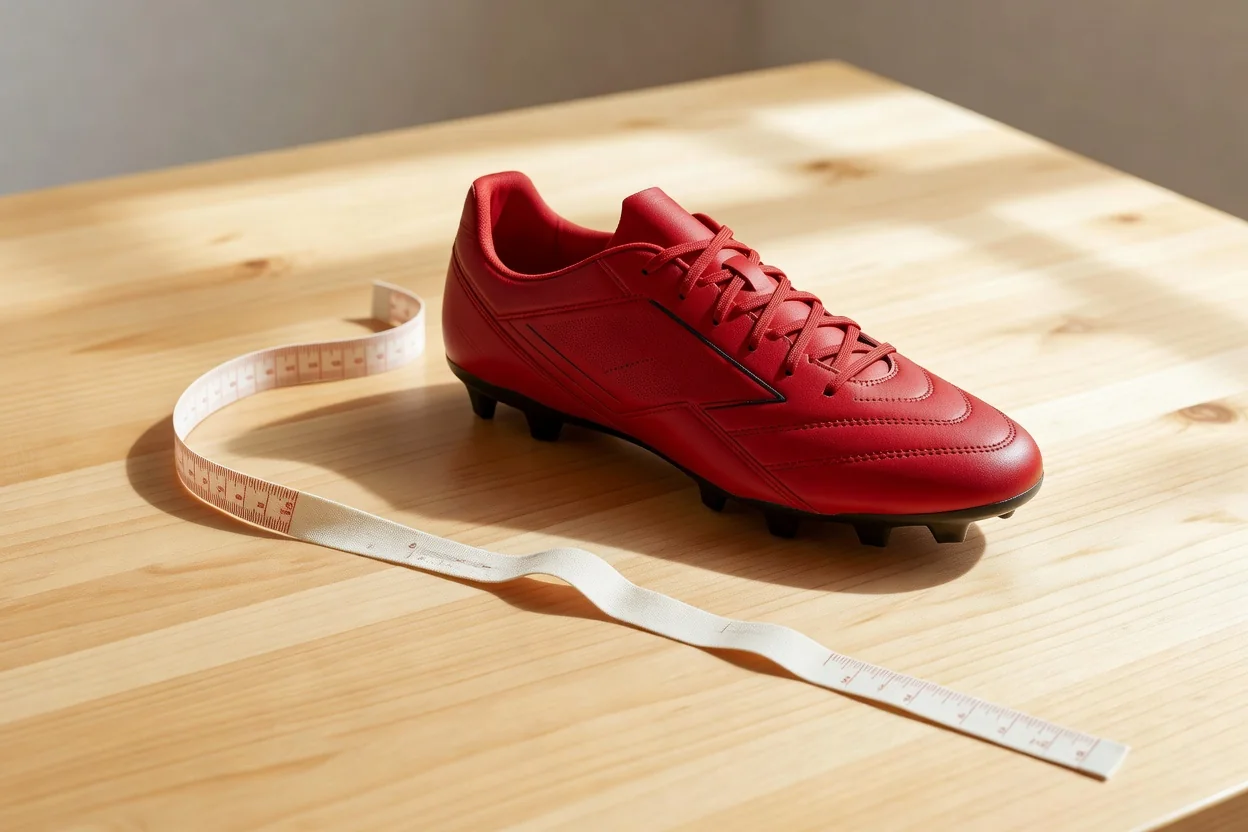
Football Boot Sizing: Why Boot Size Isn’t Shoe Size
A boot should fit closer than a trainer, but not hurt. Length, width, lockdown and the thumb-width myth — how to size boots without trying them on.
2026-08-19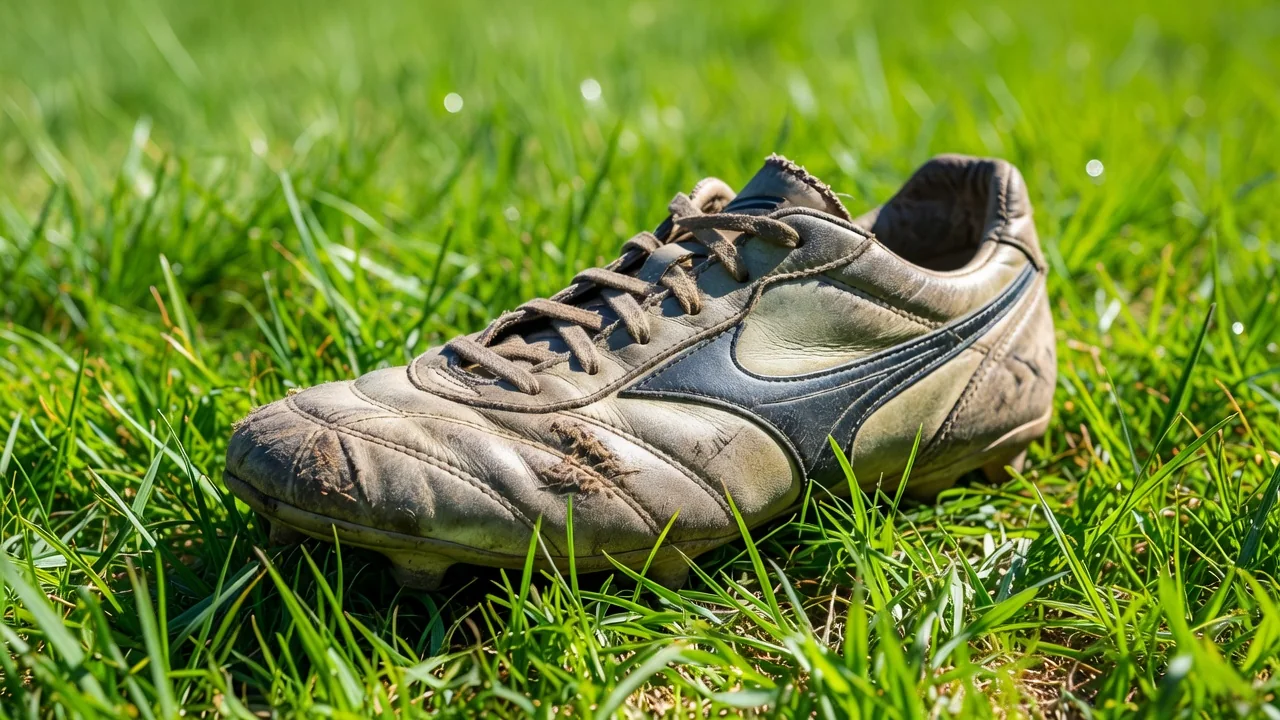
When to Replace Your Football Boots: The Honest Signs
Worn studs, split uppers, dead insoles and heel slip. The wear signs that mean a boot is done — and the ones a cobbler or new laces can still fix.
2026-08-06