
Thermobonded vs Stitched: How Ball Construction Matters
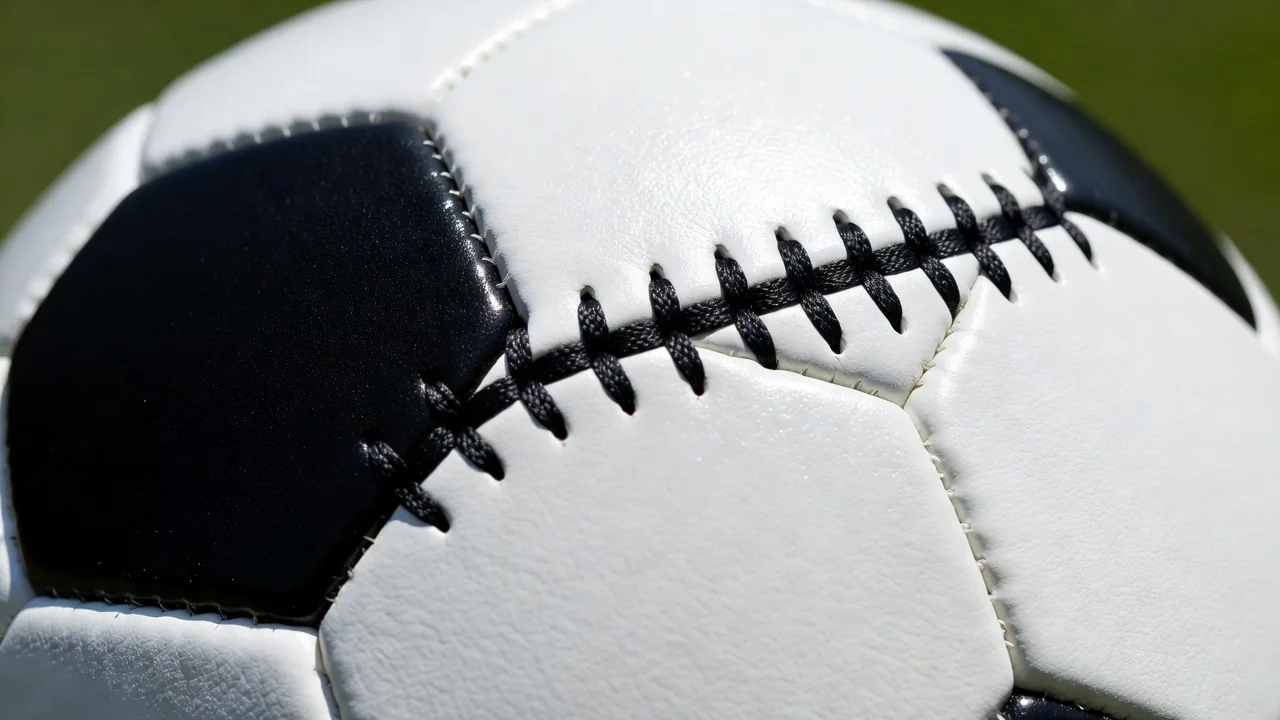
Two footballs can share a size, a weight and a price, and behave like different sports in the air. The reason is usually hidden at the seams: how the panels are joined decides how round the ball stays, how much water it drinks in the rain and how predictably it flies. Thermobonded, hand-stitched, machine-stitched and hybrid — the construction label on the box is the single most honest specification a ball carries.
Thermobonded: glued into a sphere
Thermobonding heat-fuses the panels together with adhesive, leaving no stitches and almost no seam. The surface is effectively continuous, which is why every elite match ball since the mid-2010s has been built this way. The advantages are real: a bonded ball is exceptionally round and stays round, it absorbs almost no water (stitched seams wick moisture into the ball's interior, adding weight in the wet), and its flight is the most consistent from ball to ball. The disadvantages are feel and price: bonded balls feel harder off the foot, the panel edges can lift on abrasive 3G after months of use, and the construction is expensive — this is why genuine match balls cost three figures while training balls cost twenty.
Stitched: the traditional build
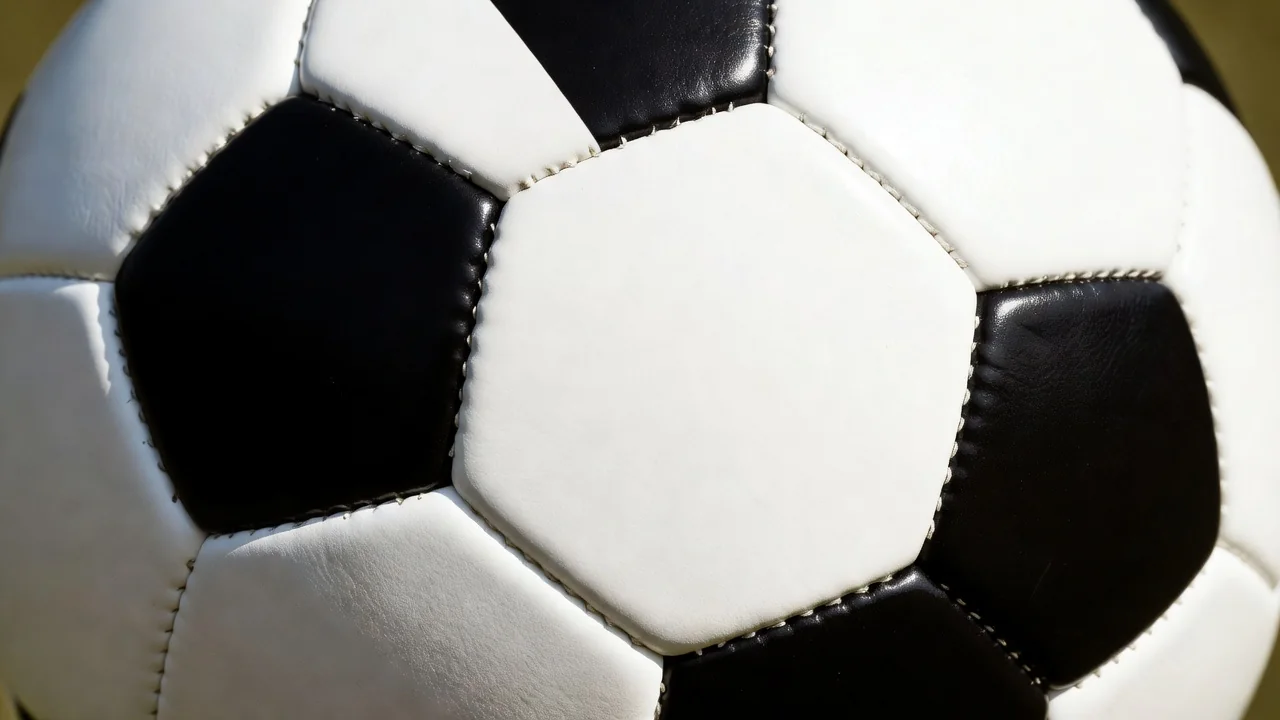
Stitched balls sew the panels together — by hand (the traditional method, still used for quality match balls in South Asia's ball-making heartland) or by machine (cheaper, faster, less precise). Hand-stitched seams are deep and tight, giving the ball a softer, more cushioned feel that many players over thirty insist is what a football should feel like. Stitched construction also tolerates abuse: a stitched training ball survives gravel car parks and chain-link fences that would peel a bonded ball. The weaknesses show in rain and over time — seams absorb water (a saturated stitched ball can gain noticeable weight by half-time of a wet match), and the stitching eventually loosens, letting the ball drift out of round.
Hybrid and what actually matters when buying
Hybrid construction stitches the panels first, then bonds or tapes over the seam — an attempt to keep the soft feel and durability of stitching while sealing out the water. Done well (it usually appears in the mid-price tier) it is genuinely the best of both worlds for club football: softer than a pure bonded ball, drier than a pure stitched one. When buying, ignore panel counts and marketing geometry; check three things instead: the construction type, the bladder (latex bladders feel livelier but need weekly pumping; butyl holds air for months), and any quality stamp — an IMS or equivalent match-standard mark means the ball passed circumference, roundness and water-uptake tests regardless of construction.
- Thermobonded: roundest, driest, most consistent — the match-ball standard.
- Hand-stitched: softest feel, tough — drinks water in the rain.
- Machine-stitched: the budget training tier — buy for durability, not flight.
- Hybrid: stitched feel with sealed seams — the club-football sweet spot.
- Latex bladder = feel; butyl bladder = holding air. Match balls use latex.
Constructions compared
| Construction | Feel | Water uptake | Durability on 3G | Typical tier |
|---|---|---|---|---|
| Thermobonded | Firm, crisp | Minimal | Panel edges can lift | Elite match balls |
| Hand-stitched | Soft, cushioned | High in rain | Very good | Quality match / training |
| Machine-stitched | Variable | High | Good for the price | Budget training |
| Hybrid | Medium-soft | Low | Good | Mid-price club balls |
Which build for which footballer
Playing eleven-a-side on grass in a wet climate? A hybrid or quality hand-stitched ball with a quality stamp gives feel without turning into a sponge by February. Buying one ball to last a year of everything? Machine-stitched durability beats bonded precision at that workload. Running a team and buying match balls? Bonded with a proper match-standard mark, full stop — consistency of flight is what you are paying for, and it is the one thing training balls cannot fake.
Related reviews
Match Ball vs Training Ball: What You Actually Get
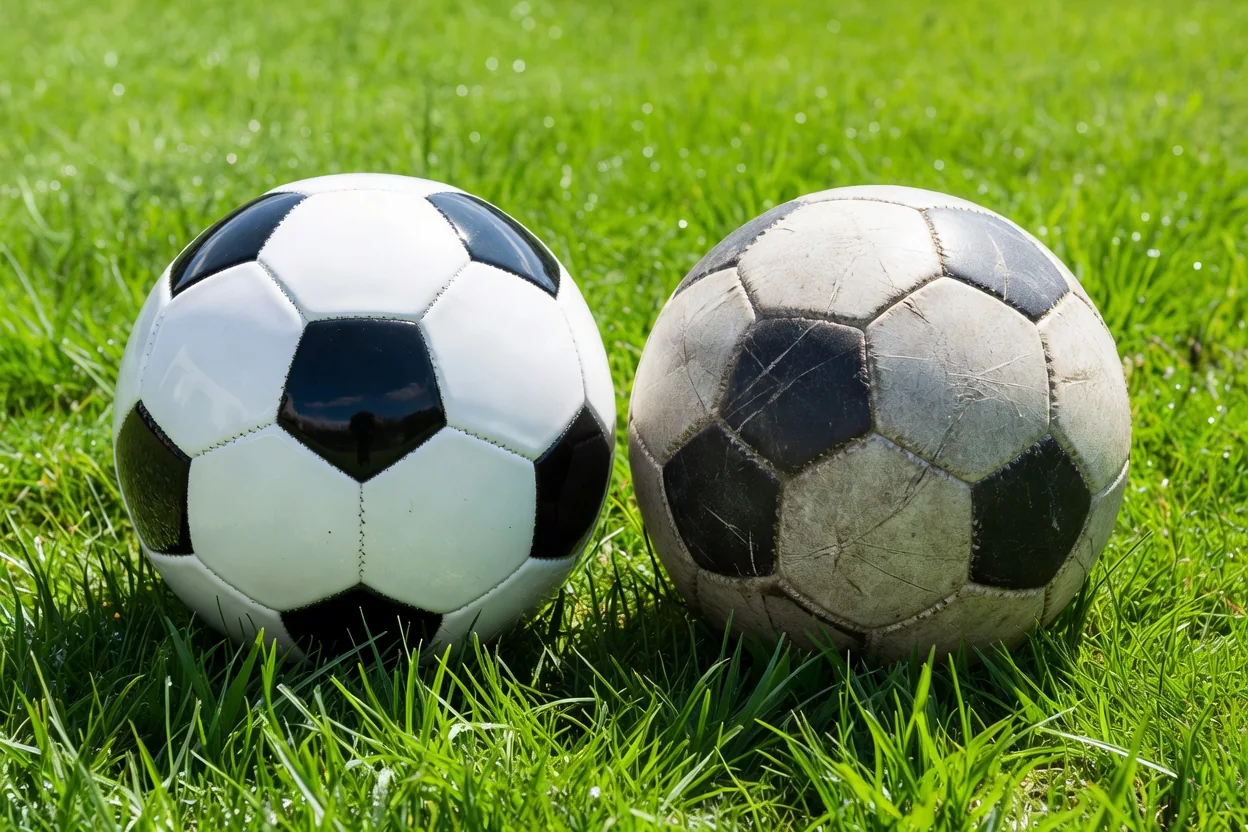
One ball is built for ninety televised minutes, the other for a season of wet Tuesdays. Construction, feel and lifespan — where the price gap goes.
2026-08-30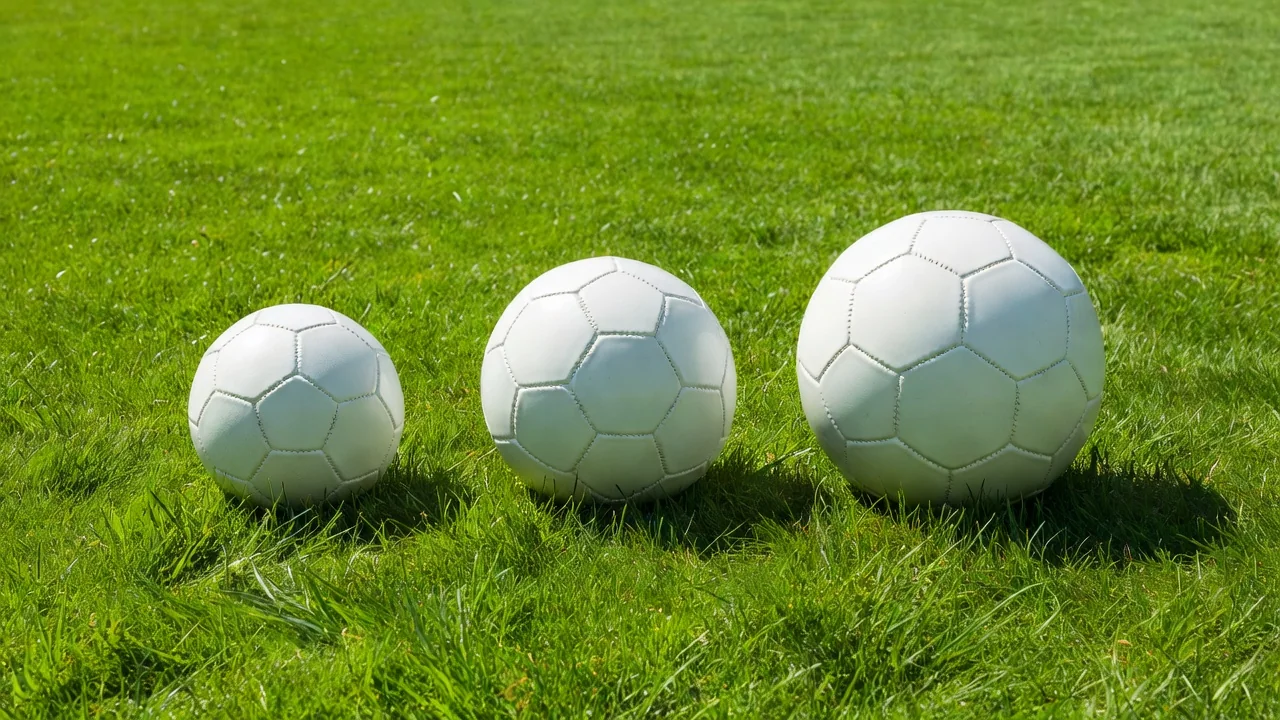
Football Sizes 3, 4 and 5: Which Ball for Which Age
A size 5 is a men’s match ball, not a toy. Circumference, weight and bounce by size — and why giving a nine-year-old an adult ball slows learning.
2026-08-22
How to Choose Shin Pads That Actually Protect You
Slip-in, strapped and sock-style guards behave differently in a tackle. Coverage, fit and the ankle question — what to look for before you buy.
2026-08-17