
How to Choose Shin Pads That Actually Protect You
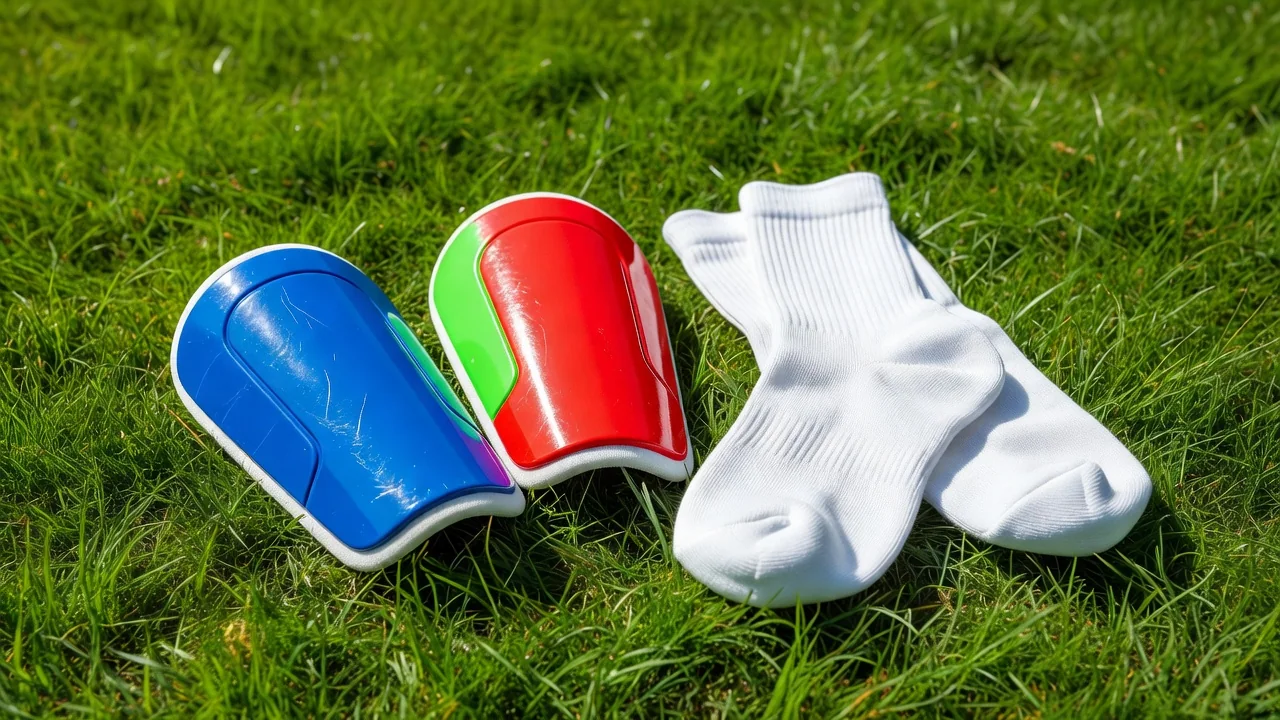
Shin pads are the only piece of protective equipment the Laws of the Game actually mandate, and they are the piece players think about least — usually grabbed in a multipack, worn loose, forgotten until a late tackle lands exactly where the pad wasn't. A shin pad that fits badly is close to no shin pad at all: it rotates, it rides up, it leaves the ankle bone exposed. Choosing properly takes ten minutes and pays out every time a studs-up challenge comes in.
The three builds: slip-in, strapped, sock
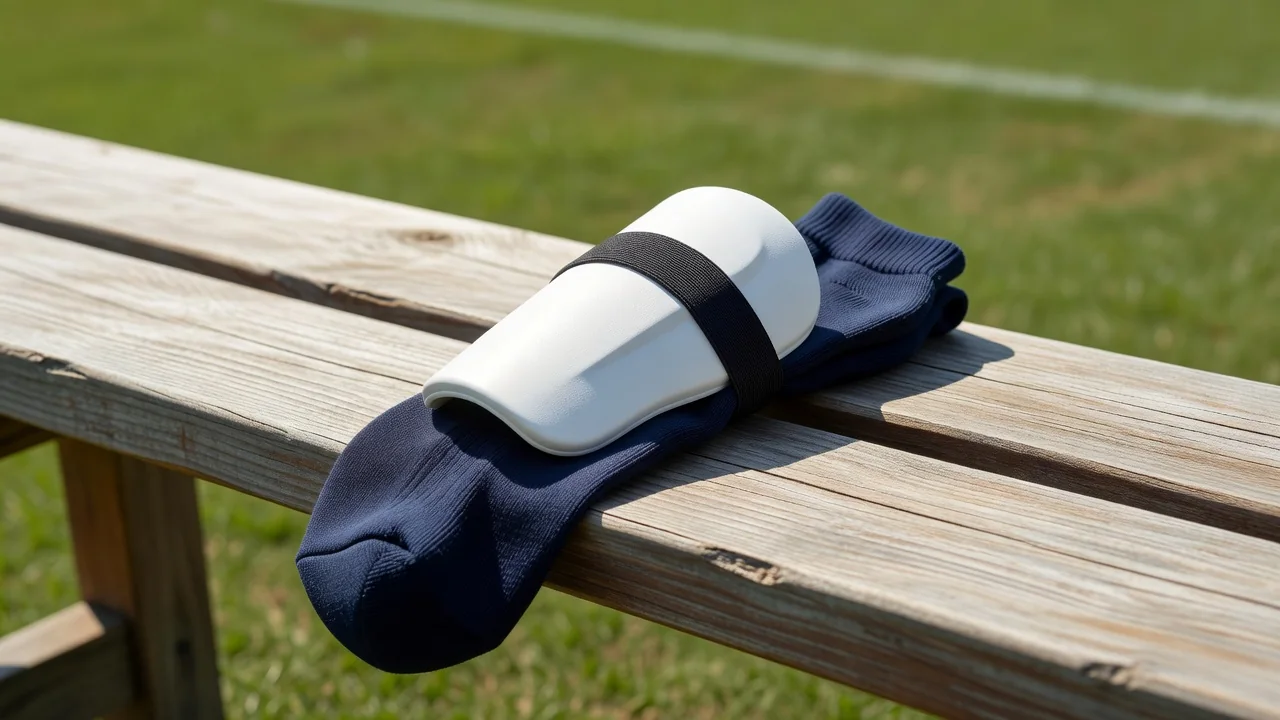
Slip-in pads are the minimalists' choice: a plate of polypropylene or carbon-fibre composite with a foam backing, held in place by the sock or a compression sleeve. Professionals overwhelmingly wear these — often startlingly small ones — because they weigh almost nothing and disappear inside the sock. Their weakness is positioning: with nothing anchoring them, they migrate during play, which is why compression sleeves (a snug pocket worn under the sock) have become standard issue alongside them.
Strapped guards add a fastening system — a Velcro strap or stirrup behind the calf — so the pad cannot rotate or slide. They are the default for youth football for exactly that reason: a child's pad that stays where a parent put it. Sock-style guards integrate the pad into a sleeve or the sock itself, splitting the difference — no straps to fiddle with, no migration to worry about.
Coverage, sizing and the ankle question
The Law's requirement is deliberately vague: the guard must provide "a reasonable degree of protection" and be covered by the sock. Reasonable, in practice, means covering the shin bone from a few centimetres below the knee to just above the ankle. Sizing runs by player height rather than shoe size — a guard that ends two-thirds down the shin leaves the most-tackled zone (the lower third, where mistimed challenges land) naked.
The ankle is the eternal dilemma. Ankle-cuffed guards protect the most bruised bone in amateur football but restrict mobility and feel bulky; attackers and wide players usually shed them, defenders and midfielders in physical leagues keep them. Detachable ankle cuffs exist precisely for the undecided. One more honest note: even the best guard disperses impact — it does not make the tackle painless, and the small pads professionals wear trade protection for feel knowingly. Amateur players should not copy that trade.
- Slip-in + compression sleeve: lightest, pro-favoured, needs the sleeve to stay put.
- Strapped: cannot rotate — the youth and physical-league default.
- Sock-style: built-in sleeve, easiest to wear correctly.
- Ankle cuffs: protect the most-bruised bone at a cost to mobility.
The builds compared
| Type | Retention | Weight/feel | Best for | Watch out for |
|---|---|---|---|---|
| Slip-in + sleeve | Sleeve pocket | Lightest, invisible | Experienced players, attackers | Migration without a sleeve |
| Strapped | Velcro / stirrup | Slightly bulkier | Youth players, physical leagues | Strap wear over a season |
| Sock-style | Integrated sleeve | Medium, no fuss | Training-heavy schedules | Washing degrades elasticity |
| Ankle-cuffed | Strap + cuff | Bulkiest | Defenders, comeback from knocks | Mobility and heat |
Fit check and care
Fitting takes one minute: put the guard on with your match sock and boot, then jump and twist on the spot. If the pad rotates or slides, the retention is wrong — smaller guard, tighter sleeve, or a switch of type. Wash foam-backed guards regularly (sweat destroys the foam's cushioning over a season) and retire any guard with a cracked shell: a crack concentrates impact into a line instead of spreading it across a plate, which is worse than a bruise.
Related reviews
Match Ball vs Training Ball: What You Actually Get
One ball is built for ninety televised minutes, the other for a season of wet Tuesdays. Construction, feel and lifespan — where the price gap goes.
2026-08-30
Football Sizes 3, 4 and 5: Which Ball for Which Age
A size 5 is a men’s match ball, not a toy. Circumference, weight and bounce by size — and why giving a nine-year-old an adult ball slows learning.
2026-08-22
Five Pieces of Home Training Equipment Worth Buying
Cones, a ladder, a rebounder, a ball you trust and a pump. The short list of training kit that survives a season — and the gadgets that do not.
2026-08-13